Plot No. 5, Evershine Nagar, Next To Landmark, Link Road, Malad West
Blog Category

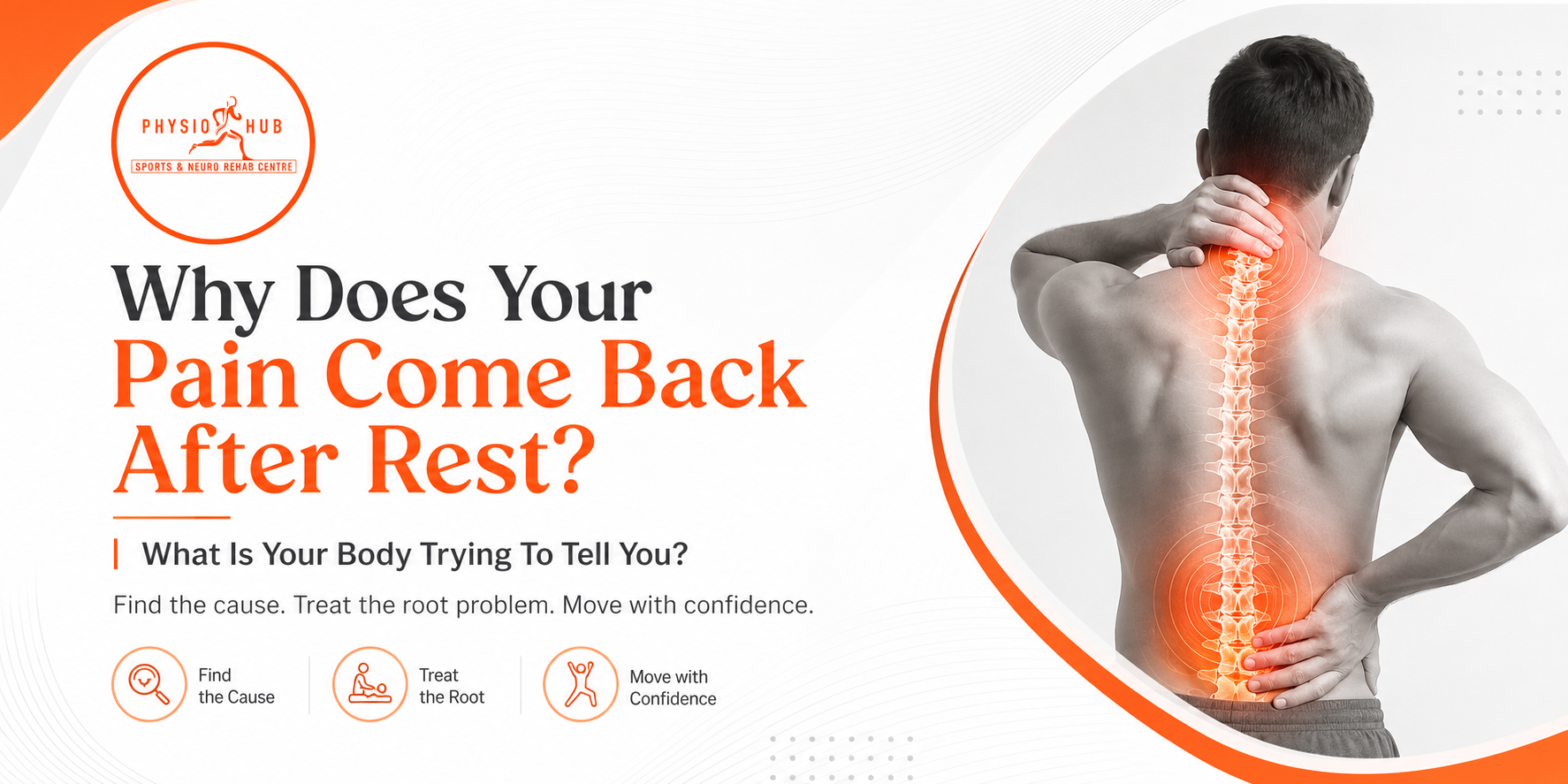
Back pain is one of the most common reasons people delay work, avoid exercise, sleep poorly, or depend on painkillers. For many people in Malad Mumbai, the pain may start as a small stiffness after long sitting, travel, gym training, lifting something heavy, or poor posture. But when it keeps coming back, the real question is not just “How do I reduce pain?” It is “Why is this pain happening again?”

A qualified physiotherapist in Malad can help identify the root cause behind back pain instead of only treating the painful area. The cause may be weak core muscles, poor spinal mobility, muscle imbalance, nerve irritation, disc-related issues, sports injury, or even lifestyle habits.

Low back pain is the leading cause of disability worldwide, and WHO states that many people can benefit from rehabilitation-based care. That is why the right treatment should focus on pain relief, movement correction, strength, posture, and long-term prevention.

What is the best treatment for back pain in Malad?

The best treatment for back pain in Malad usually includes physiotherapy assessment, pain-relief techniques, mobility work, posture correction, core strengthening, manual therapy, and a personalized exercise plan. A good physiotherapist focuses on the root cause, not just temporary pain relief, to reduce recurrence and improve daily movement.

What is Back Pain Physiotherapy?

Back pain physiotherapy is a non-surgical treatment approach that helps reduce pain, improve movement, strengthen weak muscles, and correct the mechanical or lifestyle causes behind back pain.

A physiotherapist in Malad may assess your spine, hips, muscles, nerves, posture, walking pattern, work habits, and activity level before planning treatment. This helps identify whether the pain is coming from muscle strain, joint stiffness, nerve compression, disc irritation, poor posture, or sports-related overload.

WHO recommends non-surgical care for chronic primary low back pain, including education, exercise programs, certain physical therapies, and self-care strategies.

Mini Summary Box:
Back pain physiotherapy is not just massage or machines. It is a structured treatment plan that combines assessment, pain control, movement correction, strength training, and prevention.

Why Do You Need Physiotherapy for Back Pain?

Back pain should not be ignored when it affects your routine, sleep, walking, sitting, bending, or work performance.

Common causes of back pain include:Set featured image

  • Long sitting and poor desk posture
  • Weak core and glute muscles
  • Sudden lifting or twisting injury
  • Disc bulge or nerve irritation
  • Sciatica symptoms
  • Tight hamstrings or hip flexors
  • Poor gym form or sports overload
  • Lack of mobility in the spine or hips
  • Previous injury that was never fully treated
  • Age-related spinal changes
  • Stress-related muscle tightness
  • Post-surgery or post-accident weakness

You may need physiotherapy in Malad if your back pain keeps returning even after rest, painkillers, heat packs, or temporary massage.

Pain relief is important, but long-term improvement usually needs a deeper look at movement patterns, strength gaps, and daily habits.

How Does Back Pain Physiotherapy Work? Step-by-Step Process

A good treatment plan should be systematic. At Physio Hub, back pain care is usually built around assessment, recovery, strengthening, and prevention.

Step 1: Detailed Assessment

The physiotherapist checks your pain history, posture, spinal movement, muscle strength, flexibility, nerve symptoms, and activity level.

This helps understand whether the issue is muscular, joint-related, nerve-related, posture-related, or sports-related.

Step 2: Pain Relief and Mobility Work

In the early stage, treatment may focus on reducing pain and stiffness.

This may include:

  • Soft tissue release
  • Joint mobilization
  • Heat or cold therapy guidance
  • Gentle stretching
  • Breathing and relaxation techniques
  • Safe movement education

Step 3: Root Cause Correction

Once pain reduces, the focus shifts to why the pain started.

This may include correcting:

  • Poor sitting posture
  • Weak core stability
  • Poor hip mobility
  • Muscle imbalance
  • Faulty lifting technique
  • Incorrect gym or sports movement

Step 4: Strength and Stability Training

Back pain often improves when the spine is supported by stronger muscles.

A plan may include:

  • Core strengthening
  • Glute strengthening
  • Pelvic control exercises
  • Spine stability drills
  • Balance and movement control
  • Progressive resistance exercises

Step 5: Return to Work, Sports, or Daily Activity

The final goal is not just to feel better in the clinic. It is to move confidently in real life.

A physiotherapist in Mumbai or Malad may guide you on how to sit, lift, walk, travel, exercise, and return to sports safely.

Mini Summary Box:
The best back pain treatment moves in stages: assess the cause, reduce pain, restore mobility, build strength, and prevent recurrence.
Chiropractor in malad

What Are the Benefits of Back Pain Physiotherapy?

Back pain physiotherapy offers both short-term and long-term benefits.

Key benefits include:

  • Reduced back pain and stiffness
  • Better posture and movement control
  • Improved sitting and standing tolerance
  • Stronger core and lower body muscles
  • Reduced risk of recurring pain
  • Better flexibility and spinal mobility
  • Improved walking and daily function
  • Safer return to gym, sports, or work
  • Less dependency on painkillers
  • Better understanding of your own body

A 2024 trial published in The Lancet found that an individualized walking and education program helped reduce recurrence of low back pain, showing the value of active, guided rehabilitation.

Back Pain Physiotherapy vs Other Treatment Options

Treatment Option What It Focuses On Best For Limitation
Physiotherapy Root cause, movement, strength, posture, recovery Recurring back pain, stiffness, sports pain, sciatica-like symptoms Needs consistency and exercise follow-up
Painkillers Temporary pain reduction Short-term flare-ups Does not correct weakness or posture
Massage Muscle relaxation Tightness and temporary relief May not solve deeper movement issues
Chiropractor in Malad Spinal manipulation and joint movement Selected mobility-related issues Should be combined with exercise where needed
Osteopathy in Malad Whole-body manual approach Mobility and musculoskeletal imbalance May need strengthening support
Surgery Structural correction in severe cases Serious nerve compression or major structural problems Not required for most back pain cases

NICE recommends manual therapy such as manipulation, mobilization, or soft tissue techniques only as part of a treatment package that includes exercise, with or without psychological therapy.

Mini Summary Box:
Passive treatment may reduce pain temporarily. Physiotherapy works better when it combines hands-on care, exercise, education, and lifestyle correction.

Who Needs Back Pain Physiotherapy?

You may be a good candidate for back pain physiotherapy if you have:

  • Back pain lasting more than a few days
  • Pain that comes back repeatedly
  • Pain after long sitting or driving
  • Stiffness after waking up
  • Pain while bending, lifting, or twisting
  • Pain spreading to the hip or leg
  • Weakness after injury
  • Sports-related spine pain
  • Postural pain due to desk work
  • Fear of movement because of pain

Physio Hub also supports patients looking for best sports spine rehab in Malad, acl rehab in Malad, and guided recovery after sports injuries. If back pain is linked with neurological symptoms, balance issues, or post-stroke weakness, a neuro rehab centre in Malad approach may also be helpful.

Seek urgent medical advice if back pain comes with loss of bladder or bowel control, severe leg weakness, fever, unexplained weight loss, major trauma, or numbness in the groin area.

What Affects the Cost of Back Pain Physiotherapy?

The cost of back pain physiotherapy depends on several factors.

Common pricing factors include:

  • Severity of pain
  • Acute or chronic condition
  • Number of sessions required
  • Need for manual therapy
  • Need for sports or spine rehab
  • Posture and ergonomic correction
  • Use of advanced rehabilitation tools
  • Home exercise plan and follow-up
  • One-on-one treatment time
  • Clinic location and therapist expertise

A simple muscle strain may need fewer sessions, while chronic back pain, nerve symptoms, sports injuries, or post-surgical cases may need a longer rehab plan.

Instead of choosing only by price, it is better to choose the best physiotherapist in Malad based on assessment quality, experience, treatment planning, and long-term recovery support.

Back Pain Physiotherapy Trends in 2026

Back pain treatment in 2026 is becoming more personalized, active, and prevention-focused.

Important trends include:

  • Movement-based assessment instead of only symptom-based treatment
  • Personalized exercise prescription
  • Sports-spine rehab for active professionals and athletes
  • Education-led care for long-term self-management
  • Posture and ergonomic correction for desk workers
  • Integration of neuro rehab and balance training where needed
  • Hybrid care with clinic sessions and home exercise tracking
  • Focus on recurrence prevention, not only pain relief
  • Strength training as part of spine recovery
  • Patient education to reduce fear of movement

Recent reviews continue to support exercise-based care for chronic low back pain, including approaches such as core stability, Pilates, yoga, and progressive strengthening, depending on patient needs.

Why Choose Physio Hub in Malad Mumbai?

Physio Hub is a trusted choice for people looking for a physiotherapist in Malad who can treat back pain with a root-cause approach.

At Physio Hub, treatment is not limited to temporary pain relief. The focus is on understanding why the pain started, what movement pattern is affected, and how to rebuild strength safely.

Why patients choose Physio Hub in Malad Mumbai:

  • Personalized back pain assessment
  • Focus on root cause, not just symptoms
  • Spine, sports, and neuro rehab support
  • Guided exercise-based recovery
  • Posture and lifestyle correction
  • One-on-one treatment planning
  • Support for working professionals, athletes, and elderly patients
  • Rehab for back pain, sports injuries, and ACL recovery
  • Patient-friendly explanation and home exercise guidance

Whether you are searching for physiotherapy in Malad, best physiotherapist in Malad, best acl rehab in Malad, or a reliable spine rehab clinic, Physio Hub offers structured care for long-term improvement.

FAQs About Back Pain Physiotherapy in Malad

1. Which physiotherapist in Malad is best for back pain?

The best physiotherapist in Malad for back pain is one who assesses posture, movement, strength, flexibility, nerve symptoms, and lifestyle habits before planning treatment. A root-cause approach gives better long-term results than only temporary pain relief.

2. Can physiotherapy cure back pain permanently?

Physiotherapy can significantly reduce back pain and help prevent recurrence when the treatment addresses the actual cause. Long-term results depend on exercise consistency, posture correction, lifestyle changes, and following the rehab plan.

3. Is physiotherapy better than a chiropractor in Malad for back pain?

Both may help in selected cases, but physiotherapy usually includes assessment, exercise, posture correction, strengthening, and prevention. Chiropractic care often focuses more on spinal manipulation. For recurring back pain, exercise-based rehabilitation is usually important.

4. How many sessions are needed for back pain physiotherapy?

The number of sessions depends on pain severity, duration, cause, fitness level, and recovery goals. Mild pain may improve faster, while chronic pain, sciatica-like symptoms, sports injuries, or postural issues may require a longer plan.

5. Can Physio Hub help with sports-related back pain?

Yes. Physio Hub supports sports-spine rehab, posture correction, strengthening, mobility training, and return-to-sport planning. It can also help patients looking for acl rehab in Malad, spine rehab, and sports injury recovery.

Back pain should not become your normal routine. If you are tired of temporary relief and want to understand the real cause behind your pain, visit Physio Hub in Malad Mumbai.

Book your consultation with an expert physiotherapist in Malad and start your recovery with a personalized, root-cause focused back pain treatment plan.

Back pain can quietly take over your day.

At first, it may feel like a small pull while getting out of bed. Then it starts bothering you while sitting at work, driving, lifting a bag, or even sleeping at night. Many people in Malad Mumbai do what most of us naturally do — take a painkiller and hope the pain settles.

And yes, sometimes it does.

But then it comes back.

That is when the real question begins: are painkillers actually solving the problem, or are they only hiding the pain for a while?

Painkillers may help during a painful flare-up, but they usually do not fix weak muscles, poor posture, stiff joints, nerve irritation, or incorrect movement habits. This is where physiotherapy becomes important.

If you are searching for a trusted physiotherapist in Malad, your goal should not be just “pain relief for today.” The real goal is to move better, feel stronger, and reduce the chances of the same pain returning again and again.

For many people, physiotherapy offers a more complete and long-term approach to back pain management.

Featured Snippet: Which is better for long-term back pain relief?

Physiotherapy usually gives better long-term relief than painkillers because it works on the root causes of back pain, such as weak core muscles, poor posture, stiffness, movement imbalance, and nerve irritation. Painkillers may reduce pain temporarily, but physiotherapy improves strength, mobility, function, and recurrence prevention.

What is Physiotherapy vs Painkillers for Back Pain?

Physiotherapy for back pain is a guided treatment approach that helps your body move, bend, sit, stand, and function better.

It may include exercises, posture correction, manual therapy, stretching, strengthening, mobility work, and daily lifestyle guidance. A physiotherapist does not only ask, “Where is the pain?” They also check why the pain may be happening.

Painkillers work differently.

They are medicines used to reduce pain or inflammation. They may give quick comfort, especially when the pain is sharp or disturbing your routine. But they usually do not improve spinal strength, posture, muscle control, or movement patterns.

Think of it this way.

Painkillers may turn down the alarm.

Physiotherapy tries to find out why the alarm is ringing.

A skilled physiotherapist in Malad may look at how you sit at your desk, how you bend, how you walk, how strong your core is, and whether your spine or hips are too stiff. Based on this, they create a treatment plan that matches your pain, body, and lifestyle.

Mini Summary Box
Physiotherapy focuses on long-term correction.
Painkillers focus on short-term symptom relief.
For repeated back pain, physiotherapy is often more useful because it works on the cause, not just the pain.

Why Does Back Pain Need More Than Painkillers?

Back pain is rarely just about the back.

Surprising, right?

Your pain may be linked to your sitting posture, weak core, tight hips, lack of movement, old injury, gym technique, stress, or even how long you drive every day.

Common causes and triggers include:

  • Sitting for long hours at a desk
  • Poor posture while using a laptop or phone
  • Weak core and lower back muscles
  • Tight hamstrings, hips, or glutes
  • Sudden lifting or twisting movement
  • Disc-related irritation
  • Sciatica or nerve-related pain
  • Sports or gym injury
  • Lack of regular exercise
  • Stress-related muscle tightness
  • Repeated two-wheeler or car travel
  • Wrong workout form
  • Old injury that was never fully treated
  • Poor sleeping position or mattress support

Now imagine this.

A person works 8 to 10 hours on a laptop, sits with a rounded back, skips exercise, and then suddenly lifts heavy weights on the weekend. The back pain starts. A painkiller may reduce the pain for a few hours, but what happens to the weak muscles, tight hips, and poor posture?

They remain the same.

That is why many people keep facing repeated pain episodes.

This is also why finding the Best physiotherapist in Malad can make a real difference. The right rehab plan helps you understand your pain and slowly rebuild better movement habits.

Painkillers may help you get through the day.

Physiotherapy helps you build a better tomorrow.

How Does Physiotherapy Work for Back Pain? Step-by-Step

Physiotherapy is not random exercise.

It is a step-by-step recovery process. A good therapist will first understand your pain, your lifestyle, and your movement before planning treatment.

Step 1: Detailed Assessment

The first session usually starts with questions and movement checks.

Your physiotherapist may assess:

  • Where the pain is located
  • When the pain increases
  • How long you have had it
  • Your sitting and standing posture
  • Spine movement
  • Hip and leg flexibility
  • Core strength
  • Walking pattern
  • Nerve-related symptoms
  • Work routine
  • Exercise or sports history
  • Previous injuries

This helps identify whether the pain is muscular, postural, disc-related, nerve-related, sports-related, or linked to poor movement habits.

For example, two people may both say, “I have lower back pain.”

But one may have pain due to long sitting.

The other may have pain due to gym lifting.

Both need different care.

Step 2: Pain Control Without Full Dependence on Tablets

In the early stage, the focus is to calm the pain and help you move safely.

Treatment may include:

  • Gentle mobility exercises
  • Soft tissue release
  • Manual therapy
  • Heat or cold advice
  • Breathing and relaxation techniques
  • Safe movement training
  • Basic posture correction

The aim is not to push your body too hard. The aim is to reduce fear, improve comfort, and help you start moving again.

Because let’s be honest — when your back hurts, even bending to pick up a wallet can feel scary.

Step 3: Corrective Exercise

Once the pain becomes more manageable, the next step is strengthening.

This may include:

  • Core activation
  • Lower back strengthening
  • Glute exercises
  • Hip mobility
  • Spine mobility drills
  • Balance training
  • Controlled bending and lifting practice
  • Functional movement correction

This stage is important because weak muscles often make the spine work harder than it should.

A proper Physiotherapy in Malad program helps your body share the load better.

Step 4: Posture and Ergonomic Correction

Many working professionals in Malad Mumbai spend long hours sitting.

This can slowly overload the spine.

Your physiotherapist may guide you on:

  • Chair height
  • Laptop or screen position
  • Sitting breaks
  • Foot placement
  • Back support
  • Driving posture
  • Safe bending technique
  • Simple stretches during work

Small changes can create big relief over time.

For example, taking a 2-minute movement break every hour can be more helpful than sitting stiff for 6 hours and then doing one long stretch at night.

Step 5: Return to Work, Gym, or Sport

The final goal is not just to reduce pain.

The goal is to help you return to normal life confidently.

If you go to the gym, play cricket, run, dance, lift weights, or do sports, your rehab should prepare your body for those activities.

This is where services like best sports spine rehab in Malad, acl rehab in Malad, and best acl rehab in Malad become helpful, especially when back pain is connected with knee, hip, or sports movement issues.

Mini Summary Box
Physiotherapy is not just machines or massage.
It includes assessment, pain control, exercise, posture correction, strengthening, and long-term prevention.

physiotherapist in Malad

Benefits of Physiotherapy for Back Pain

Physiotherapy can help in ways that painkillers cannot.

It does not just ask you to “rest.” It helps you understand your pain and slowly take control of your movement again.

Key benefits include:

  • Helps identify the real cause of pain
  • Improves spine movement
  • Builds core and back strength
  • Reduces stiffness
  • Improves posture
  • Supports recovery from nerve-related pain
  • Reduces repeated pain episodes
  • Lowers dependency on painkillers
  • Improves confidence while bending, walking, or lifting
  • Helps you return to work, gym, and daily activities
  • Can be customized for your age, pain level, and lifestyle
  • Supports long-term self-management

One of the biggest benefits is confidence.

Many people with back pain start avoiding movement. They stop bending. They stop exercising. They become careful with every small task.

But the right physiotherapy plan teaches your body that safe movement is possible again.

If you are searching for a physiotherapist in Malad, look for someone who explains your condition clearly and gives you a practical recovery plan, not just temporary relief.

Physiotherapy vs Painkillers for Back Pain: Comparison Table

Factor Physiotherapy Painkillers
Main purpose Improves movement, strength, posture, and function Reduces pain sensation for some time
Long-term relief Better for repeated or chronic back pain Limited if used alone
Root cause correction Yes No
Helps posture Yes No
Builds strength Yes No
Reduces recurrence risk Yes, with regular practice Usually no
Useful during severe flare-up Yes, with modified care Yes, if medically advised
Side effects Usually low when guided properly Possible side effects depending on medicine and usage
Best use Long-term recovery and prevention Short-term symptom control
Suitable for chronic pain Yes Only under medical supervision

Painkillers are not “bad.”

They can be useful when pain is severe, when sleep is disturbed, or when a doctor recommends them for short-term support.

But using them again and again without treating the cause can become a problem.

Physiotherapy gives you a more active role in your recovery. It helps you understand what your body needs, what to avoid, and how to move better.

Mini Summary Box
Painkillers may help during painful days.
Physiotherapy helps your body recover, strengthen, and reduce the chances of pain coming back.

Who Needs Physiotherapy for Back Pain?

You should consider seeing a physiotherapist in Malad if your back pain is affecting your daily life.

Physiotherapy may help if you have:

  • Back pain lasting more than a few days
  • Pain that keeps coming back
  • Pain after sitting for long hours
  • Pain while bending or lifting
  • Pain while standing or walking
  • Pain going down the leg
  • Tingling, numbness, or weakness
  • Morning stiffness
  • Gym-related back strain
  • Sports injury
  • Postural pain from desk work
  • Back pain after pregnancy
  • Back pain with knee, hip, or neck issues
  • Fear of returning to exercise

Some people may also need specialized rehab if the pain is connected with nerve symptoms, balance issues, weakness, or neurological conditions. In such cases, a Neuro rehab centre in Malad can help with guided movement training, balance improvement, and functional recovery.

You may also come across options like a Chiropractor in Malad or osteopathy in Malad. These approaches may help some people, especially when stiffness is involved. However, for long-term back pain relief, manual treatment should ideally be combined with exercise, strengthening, and education.

Visit a doctor urgently if you have back pain with loss of bladder or bowhttps://share.google/ZS19zSEHclbAFirgdel control, severe leg weakness, fever, unexplained weight loss, major trauma, cancer history, or severe night pain.

Cost and Pricing Factors for Back Pain Physiotherapy

The cost of back pain physiotherapy depends on your condition and the kind of care you need.

Not every back pain case needs the same number of sessions.

A mild postural pain case may improve faster. A long-term disc issue, sciatica, sports injury, or nerve-related condition may need a more detailed rehab plan.

Pricing can depend on:

  • Severity of pain
  • How long you have had the pain
  • Number of sessions needed
  • Type of assessment required
  • Manual therapy requirement
  • Exercise supervision
  • Sports rehab or spine rehab needs
  • Neuro rehab needs
  • Equipment used during therapy
  • Home exercise planning
  • Progress tracking and follow-up

It is natural to ask about cost.

But the better question is: “Will this treatment help me recover properly?”

Choosing only the cheapest option may not always help if the assessment is poor or the treatment is generic.

When searching for the Best physiotherapist in Malad or a trusted physiotherapist in Mumbai, look for proper diagnosis, clear explanation, customized exercises, and long-term planning.

Industry Trends in 2026: Back Pain Rehab Is Becoming Smarter

Back pain treatment in 2026 is becoming more active, personal, and movement-focused.

Earlier, many people were told to rest for long periods. Now, the focus is shifting toward safe movement, strength, posture correction, and self-management.

Important trends include:

  • Exercise-based recovery instead of only rest
  • Spine and core strengthening programs
  • Workplace posture correction
  • Preventive rehab for desk workers
  • Movement screening before gym or sports return
  • Digital exercise plans and progress tracking
  • Manual therapy combined with active exercise
  • Integrated spine, sports, and neuro rehab
  • Lifestyle guidance for sleep, stress, and activity
  • More focus on patient education

For people in Malad Mumbai, this is especially useful.

Long office hours, traffic, laptop work, gym routines, and busy lifestyles can all affect the spine. A modern physiotherapy plan does not simply treat pain. It helps you understand how your daily routine affects your back.

That is a big shift.

Because when you understand your pain, you are less afraid of it.

Why Choose PhysioHub in Malad Mumbai?

PhysioHub focuses on helping people move better, recover stronger, and reduce repeated pain episodes.

If you are looking for a reliable physiotherapist in Malad, PhysioHub offers a practical and personalized approach to back pain, spine rehab, sports injury recovery, neuro rehab, and movement correction.

The goal is not just to make the pain disappear for a day.

The goal is to help you return to your normal routine with more confidence.

What makes PhysioHub different?

  • Personalized back pain assessment
  • Spine-focused physiotherapy programs
  • Sports and movement-based rehab
  • Posture correction guidance
  • Support for gym and activity return
  • Neuro rehab support when needed
  • Focus on long-term function
  • Home exercise planning
  • Patient education in simple language
  • Practical care for working professionals in Malad Mumbai

PhysioHub can be a suitable choice if you are searching for Physiotherapy in Malad, best sports spine rehab in Malad, acl rehab in Malad, best acl rehab in Malad, or a trusted rehab centre for pain and movement recovery.

Whether your pain started after long sitting, lifting, sports, travel, or an old injury, the right treatment plan can help you feel more in control of your body again.

FAQs: Physiotherapy vs Painkillers for Back Pain

1. Is physiotherapy better than painkillers for back pain?

Yes, physiotherapy is usually better for long-term back pain relief because it works on posture, strength, flexibility, and movement. Painkillers may reduce pain for a short time, but they do not usually correct the reason behind the pain.

2. Can I take painkillers and do physiotherapy together?

Yes, in some cases, both may be used together. Painkillers may help during a painful flare-up, while physiotherapy works on recovery. Always take medicines only as advised by a qualified doctor.

3. How many physiotherapy sessions are needed for back pain?

It depends on the cause and severity of pain. Mild postural pain may improve in fewer sessions, while chronic pain, sciatica, disc-related pain, sports injury, or nerve symptoms may need a longer plan.

4. When should I visit a physiotherapist in Malad for back pain?

You should visit a physiotherapist if your pain lasts more than a few days, keeps returning, affects sitting or walking, travels down the leg, or stops you from working, sleeping, or exercising comfortably.

5. Can physiotherapy prevent back pain from coming back?

Yes, physiotherapy can help reduce repeated back pain by improving strength, posture, flexibility, lifting technique, and daily movement habits. Regular home exercises are also important for long-term results.

Back pain should not become your “normal.”

You do not have to keep adjusting your chair, avoiding movement, skipping workouts, or depending on painkillers again and again.

If you want long-term relief, start by understanding the real cause of your pain.

Visit PhysioHub in Malad Mumbai and consult an experienced physiotherapist in Malad for a personalized back pain assessment and recovery plan.

Move better. Feel stronger. Get back to your routine with confidence.

Book your physiotherapy consultation with PhysioHub today and take the first step toward long-term back pain relief.

Pain can quietly affect your routine before you even realize it. A stiff neck after long working hours, back pain from sitting too much, shoulder pain while lifting, knee pain while climbing stairs, or sports injuries that keep returning — these problems can disturb your work, sleep, movement, and confidence.

Many people search for physiotherapy near me only when the pain becomes difficult to manage. But the right physiotherapy care is not just about temporary pain relief. It is about finding the root cause, improving movement, restoring strength, and preventing the same problem from coming back.

If you are looking for a physiotherapist in Malad, choosing the right clinic matters. A good clinic should offer proper assessment, personalized treatment, advanced rehab methods, exercise guidance, and clear progress tracking.

In 2026, physiotherapy is becoming more evidence-based, technology-supported, and patient-focused. The goal is simple: help you move better, recover safely, and return to normal life with confidence.

Who is the best physiotherapist in Malad for pain relief?

The best physiotherapist in Malad is one who identifies the root cause of pain, offers personalized treatment, uses evidence-based rehab, tracks recovery progress, and guides patients with exercises, posture correction, and lifestyle advice. Physio Hub in Malad, Mumbai provides structured physiotherapy care for pain relief, injury recovery, sports rehab, and mobility improvement.

What is physiotherapy for pain relief?

Physiotherapy for pain relief is a non-surgical healthcare approach that helps reduce pain, improve movement, restore muscle strength, and support long-term recovery. It uses assessment, manual therapy, therapeutic exercises, posture correction, mobility training, electrotherapy, and rehab planning.

A qualified physiotherapist in Malad does not only treat the painful area. They assess how your body moves, how your muscles work, where stiffness exists, and what daily habits may be causing the problem.

For example, back pain may not always be only a “back issue.” It may be linked to weak core muscles, poor sitting posture, tight hips, reduced mobility, or incorrect lifting habits.

Globally, rehabilitation is becoming more important because WHO estimates that 1 in 3 people live with a health condition that could benefit from rehabilitation. The need for rehabilitation has also increased from 1.48 billion people in 1990 to 2.41 billion people.

Mini Summary Box
Physiotherapy helps manage pain by treating the cause, not just the symptom. It combines assessment, movement correction, strengthening, and guided recovery.

Why do people need a physiotherapist in Malad?

People in Malad, Mumbai often visit a physiotherapy clinic because pain starts affecting daily activities. The need may come from lifestyle, injury, age-related changes, sports load, or neurological conditions.

Common reasons include:

  • Back pain due to long sitting hours
  • Neck pain from laptop or mobile use
  • Shoulder pain or frozen shoulder
  • Knee pain while walking or climbing stairs
  • Sports injuries like sprains, muscle pulls, ligament strain
  • Post-surgery rehabilitation
  • Stroke or neurological recovery
  • Balance and walking issues
  • Muscle weakness after injury
  • Poor posture and stiffness
  • Recurring pain after temporary relief

Low back pain is one of the most common pain conditions worldwide. WHO states that around 619 million people lived with low back pain in 2020, and it is the leading cause of disability globally.

This is why choosing the best physiotherapist in Malad should not be based only on distance or price. The focus should be on diagnosis, treatment planning, and long-term recovery.

How does physiotherapy treatment work step by step?

A professional physiotherapy process should be clear, structured, and patient-friendly.

Step 1: Detailed consultation

The physiotherapist understands your pain history, lifestyle, daily routine, work habits, injury background, and medical history.

Step 2: Physical assessment

Your posture, movement, strength, flexibility, joint mobility, balance, and pain triggers are checked.

Step 3: Root cause identification

The therapist identifies whether the pain is due to weakness, stiffness, overuse, nerve irritation, posture, injury, or poor movement patterns.

Step 4: Personalized treatment plan

A treatment plan is created based on your condition, pain level, age, activity goals, and recovery timeline.

Step 5: Therapy and exercises

Treatment may include manual therapy, strengthening exercises, mobility work, stretching, machine-based therapy, balance training, or sports rehab.

Step 6: Progress tracking

Your improvement is monitored through pain reduction, movement range, strength, function, and daily activity comfort.

Step 7: Home exercise guidance

You are given safe exercises and posture tips to continue recovery outside the clinic.

Mini Summary Box
Good physiotherapy follows a process: assess, diagnose, treat, strengthen, track progress, and prevent recurrence.
physiotherapist in Malad

What are the benefits of choosing the right physiotherapy clinic?

The right clinic can help you recover faster and avoid repeated pain cycles.

Key benefits include:

  • Reduced pain without unnecessary dependency on medicines
  • Better joint movement and flexibility
  • Improved muscle strength
  • Faster injury recovery
  • Better posture and body alignment
  • Improved walking, balance, and mobility
  • Safe return to sports or gym activity
  • Lower risk of recurring injuries
  • Better confidence in daily movement
  • Personalized rehab instead of generic exercises
  • Support for long-term physical health

A good physiotherapy and sports clinic is especially useful for active individuals, gym-goers, runners, athletes, and people recovering from sports injuries.

Physiotherapy vs other pain relief options

Option How it helps Best for Limitation
Painkillers Reduces pain temporarily Short-term pain control Does not fix root cause
Rest only Gives temporary relief Acute strain in early stage Too much rest may increase stiffness
Massage Relaxes muscles Mild tightness or fatigue May not solve injury or weakness
Physiotherapy Treats pain, movement, strength, and function Long-term recovery and rehab Requires consistency
Surgery Corrects severe structural issues Specific advanced cases Not needed for every pain condition

Physiotherapy stands out because it focuses on function. It helps you understand why pain is happening and what your body needs to recover safely.

Who needs physiotherapy?

You may need physiotherapy if pain is affecting your movement, work, sleep, or confidence.

Physiotherapy is suitable for:

  • Office workers with neck, shoulder, or back pain
  • Senior citizens with balance or mobility issues
  • Athletes with sports injuries
  • Gym-goers with muscle strain or joint pain
  • Patients recovering after surgery
  • Stroke patients needing neuro rehab
  • People with frozen shoulder
  • People with knee pain or arthritis-related stiffness
  • Individuals with recurring pain despite medicines
  • Anyone searching for a trusted physiotherapist in Malad for guided recovery

You should consult a healthcare professional urgently if pain is severe, follows a major injury, causes numbness or weakness, affects bladder or bowel control, or worsens rapidly.

What is the cost of physiotherapy in Malad?

The cost of physiotherapy depends on the condition, treatment type, number of sessions, clinic facilities, therapist experience, and whether advanced rehab machines are required.

Common pricing factors include:

  • Initial assessment and consultation
  • Type of condition: pain, injury, post-surgery, sports, or neuro rehab
  • Session duration
  • Manual therapy requirements
  • Machine-based therapy if needed
  • Exercise rehab and supervision
  • Number of sessions required
  • Home exercise planning and follow-up

A simple pain case may need fewer sessions, while sports rehab, post-operative rehab, or neurological recovery may need a longer plan.

The best approach is to first get assessed. After that, the physiotherapist can suggest a realistic recovery plan based on your condition.

Physiotherapy industry trends in 2026

Physiotherapy in 2026 is becoming more personalized, data-driven, and technology-supported.

Important trends include:

1. Personalized rehab plans

Patients no longer want generic exercises. Clinics are focusing on condition-specific and goal-based rehab.

2. Sports performance rehab

A modern physiotherapy and sports clinic helps not only with injury recovery but also movement quality, strength, flexibility, and performance improvement.

3. Digital progress tracking

Therapists are using clearer progress markers such as pain scores, range of motion, strength levels, and functional goals.

4. AI and assistive technology

World Physiotherapy notes that AI and assistive technologies are already becoming part of physiotherapy, but their use should be guided by ethics, equity, and evidence.

5. Hybrid care and home guidance

Many clinics now combine in-clinic treatment with home exercise programs and follow-up guidance.

6. Prevention-focused care

People are visiting physiotherapists not only after injury but also to prevent pain, improve posture, and maintain mobility.

Mini Summary Box
In 2026, physiotherapy is moving toward personalized care, sports-focused rehab, digital tracking, AI-supported tools, and prevention-based treatment.

Why choose Physio Hub in Malad, Mumbai?

Physio Hub is positioned as a trusted physiotherapy and rehab clinic for people looking for pain relief, injury rehabilitation, mobility improvement, and performance enhancement in Malad, Mumbai.

Here’s why patients can consider Physio Hub:

  • Personalized assessment-based treatment
  • Focus on root cause, not just symptoms
  • Support for pain relief, sports rehab, and neuro rehab
  • Guided exercise programs
  • Patient-friendly explanation of the condition
  • Rehab planning based on recovery goals
  • Convenient option for those searching physiotherapy near me in Malad
  • Care for back pain, neck pain, shoulder pain, knee pain, mobility issues, and injury recovery
  • Structured approach for long-term improvement

If you are searching for a physiotherapist in Malad, Physio Hub helps you move from confusion to clarity with a planned recovery approach.

FAQs: People Also Ask

1. How do I choose the best physiotherapist in Malad?

Choose a physiotherapist who performs a proper assessment, explains the cause of pain, creates a personalized treatment plan, tracks progress, and gives home exercises. Also check clinic experience, rehab facilities, patient reviews, and location convenience.

2. When should I visit a physiotherapist for pain?

You should visit a physiotherapist if pain lasts more than a few days, keeps returning, affects daily movement, causes stiffness, limits work, or stops you from exercising. Early care can prevent the condition from becoming worse.

3. Is physiotherapy useful for back pain and neck pain?

Yes. Physiotherapy can help with back pain and neck pain by improving posture, mobility, muscle strength, flexibility, and movement habits. It also helps identify lifestyle factors that may be triggering pain.

4. Can physiotherapy help sports injuries?

Yes. Sports physiotherapy helps with injury recovery, strength rebuilding, flexibility, balance, movement correction, and safe return to sport. A physiotherapy and sports clinic can also help reduce the risk of future injuries.

5. How many physiotherapy sessions are needed?

The number of sessions depends on the condition, pain severity, age, activity level, and recovery goal. Mild pain may need fewer sessions, while sports injuries, post-surgery rehab, or neuro rehab may require a longer plan.

Pain should not control your routine, movement, or confidence.

If you are looking for a trusted physiotherapist in Malad, visit Physio Hub in Malad, Mumbai for personalized pain relief, injury recovery, sports rehab, and mobility improvement.

Book your consultation today and take the first step toward moving better, feeling stronger, and living pain-free.

Chronic shoulder pain is a common condition affecting people of all ages, often caused by overuse, injury, or poor posture. It can disrupt daily activities, sports, and work life. Fortunately, treatments like shockwave therapy, physiotherapy machines, and targeted exercises can offer significant relief, restoring mobility and reducing pain.

At Physio Hub, a leading neuro and sports rehab centre in Malad, Mumbai, we specialize in helping individuals manage and recover from shoulder pain. Our approach combines modern techniques with personalized care to ensure optimal recovery.

What is Chronic Shoulder Pain?
neuro and sports rehab centre in malad

Chronic shoulder pain refers to long-lasting pain that persists for several weeks or months. It can stem from various causes such as muscle strain, rotator cuff injuries, or shoulder impingement. Typically, shoulder pain becomes chronic when the underlying issue is not addressed properly, leading to persistent inflammation and reduced mobility.

Key facts about chronic shoulder pain:

  • Duration: Typically lasts more than 3 months.
  • Common causes: Overuse, injury, poor posture, and muscle imbalances.
  • Result: Reduced shoulder movement, stiffness, and persistent discomfort.

Treatment options like shockwave therapy, physiotherapy machines, and exercise regimens can provide relief and help restore normal shoulder function. At Physio Hub, we use these therapies to treat shoulder conditions effectively.

Who Needs Chronic Shoulder Pain Treatment?

Chronic shoulder pain can affect anyone, but certain groups are more prone to it:

  • Athletes: Sports like tennis, cricket, swimming, and weightlifting can put excessive strain on the shoulder.
  • Housewives: Repetitive tasks like lifting heavy objects or reaching overhead can cause shoulder issues.
  • Office workers: Sitting for prolonged hours with poor posture or repetitive arm movements can lead to shoulder discomfort.
  • Seniors: Age-related wear and tear on shoulder joints increases the risk of chronic pain.

If you experience any of the following, you may benefit from treatment:

  • Persistent pain or discomfort in the shoulder
  • Difficulty reaching overhead or lifting objects
  • Stiffness in the shoulder joint
  • Pain that interferes with daily activities or sports

Symptoms / Causes of Chronic Shoulder Pain

Understanding the symptoms and causes of shoulder pain is key to finding the right treatment. Some of the common symptoms include:

Symptoms of Chronic Shoulder Pain

  • Persistent aching or sharp pain in the shoulder
  • Limited range of motion
  • Pain when raising the arm overhead
  • Tenderness or swelling around the shoulder joint
  • Discomfort during or after physical activity

Causes of Shoulder Pain

  • Rotator cuff injuries: Damage to the tendons or muscles around the shoulder.
  • Frozen shoulder: Stiffness and pain restricting movement.
  • Tendinitis: Inflammation of the shoulder tendons.
  • Shoulder impingement: Compression of the tendons or bursa in the shoulder joint.
  • Bursitis: Inflammation of the fluid-filled sacs in the shoulder.

At Physio Hub, our sports physiotherapy in Malad focuses on identifying the root cause of the pain, so we can provide an effective treatment plan tailored to your needs.

Benefits of Shockwave Therapy, Physiotherapy Machines, and Exercises
make image of this describtion add no text

Here’s how shockwave therapy, physiotherapy machines, and exercises work together to help cure chronic shoulder pain:

Shockwave Therapy

  • Non-invasive treatment that uses sound waves to reduce pain and promote healing in damaged tissues.
  • Stimulates blood flow, accelerating tissue repair.
  • Breaks down scar tissue and adhesions, improving mobility.
  • Reduces inflammation and muscle tightness.

Physiotherapy Machines

  • Machines like ultrasound therapy, electrotherapy, and laser therapy help in pain reduction and muscle relaxation.
  • Electrotherapy uses electrical impulses to relieve muscle spasms and enhance tissue healing.
  • Laser therapy promotes healing by increasing blood flow and reducing inflammation in the affected area.

Targeted Shoulder Exercises

  • Strengthening exercises for the rotator cuff muscles help stabilize the shoulder joint.
  • Stretching exercises improve range of motion and reduce stiffness.
  • Core-strengthening exercises reduce the burden on the shoulder joint by improving overall posture and muscle balance.

Procedure Explained Initial Assessment:

1. At Physio Hub,
our physiotherapists conduct a thorough assessment of your shoulder pain, identifying the root cause and designing a personalized treatment plan.

      2.Shockwave Therapy:

A gel is applied to the affected area, and a handheld device emits high-frequency sound waves to stimulate healing. This session typically lasts 15-20 minutes.

      3.Physiotherapy Machine Treatment:

Sessions may include electrotherapy or laser therapy, each lasting about 20-30 minutes, depending on the severity of the pain.

      4.Exercise Plan:

We provide a customized exercise routine designed to target specific muscles, improve shoulder mobility, and prevent future injuries. The plan is designed for at-home and in-clinic rehabilitation.

Recovery Time

The recovery time for chronic shoulder pain treatment varies depending on the severity of the condition and the therapy used:

  • Shockwave therapy: Most patients feel relief after 2-3 sessions, but full recovery may take 4-6 weeks.
  • Physiotherapy machines: Typically, patients notice significant improvements within 2-3 weeks of consistent treatment.
  • Exercise rehabilitation: Regular exercise can improve strength and mobility in 2-4 weeks, but full recovery may take 6-8 weeks.

Cost of Shoulder Pain Treatment in Malad

The cost of chronic shoulder pain treatment in Malad varies depending on the type of treatment chosen. Below is an estimate:

  • Shockwave Therapy: ₹1,500 – ₹3,000 per session.
  • Physiotherapy Sessions: ₹800 – ₹1,500 per session.
  • Complete Rehabilitation Package: ₹8,000 – ₹15,000 for a 5-10 session plan.

The total cost will depend on the specific therapies recommended by your physiotherapist.

Comparison: Physiotherapy vs Surgery

Treatment Benefits Downsides
Physiotherapy Non-invasive, promotes natural healing, less expensive Requires consistent effort, may take time
Surgery Provides fast relief for severe cases Expensive, involves recovery time, potential risks

In most cases, physiotherapy is the preferred option, as it is less invasive and offers long-term benefits without the risks of surgery.

Risks or Safety

  • Shockwave therapy is generally safe but may cause mild discomfort during treatment. It should not be used on individuals with certain conditions like blood clot disorders or pregnancy.
  • Physiotherapy and exercise treatments are also safe, but it’s important to follow the prescribed regimen to avoid strain or injury.
  • Chiropractor care may also help with shoulder pain, but it should be used in combination with other treatments to achieve optimal results.

FAQs

1. How does shockwave therapy help with shoulder pain?

Shockwave therapy uses high-frequency sound waves to stimulate healing, reduce inflammation, and break down scar tissue in the shoulder.

2. Is physiotherapy effective for shoulder pain?

Yes, physiotherapy can effectively treat shoulder pain by improving mobility, strengthening muscles, and addressing postural issues.

3. How long does it take to recover from shoulder pain?

Recovery time varies, but with proper treatment (shockwave therapy, physiotherapy, and exercises), significant improvements can be seen in 4-6 weeks.

4. Can I avoid surgery for chronic shoulder pain?

Yes, most shoulder pain can be managed with physiotherapy and shockwave therapy, which may eliminate the need for surgery.

Conclusion: Book Your Shoulder Pain Treatment Today!

Chronic shoulder pain can significantly impact your quality of life. But with the right treatment at Physio Hub, you can get back to pain-free movement. Whether through shockwave therapy, physiotherapy machines, or targeted exercises, we offer comprehensive solutions tailored to your needs.

If you’re searching for the best physiotherapy for shoulder pain, book a consultation with us today and start your journey to recovery!

Book Your Appointment Now at Physio Hub Malad!

Shoulder pain is no longer limited to athletes or older adults. Today, many people experience shoulder discomfort during simple daily activities like lifting grocery bags, reaching for kitchen items, cooking for long hours, or working continuously on laptops. At the same time, sports players such as cricketers and tennis athletes commonly suffer from shoulder injuries because of repetitive arm movements and overuse.

What’s surprising is that both housewives and athletes often develop very similar shoulder problems — even though their lifestyles are completely different.

A homemaker may strain her shoulder while lifting storage boxes or performing repetitive household chores. A cricketer may overload the shoulder joint while bowling repeatedly. A tennis player may stress shoulder muscles during powerful serves and swings. Over time, these repeated movements can affect the muscles, tendons, and joints of the shoulder.

Ignoring the pain can slowly reduce mobility, strength, and overall quality of life.

The good news? Early shoulder pain treatment Malad, physiotherapy, and chiropractic care can help reduce pain naturally and restore healthy shoulder movement before the condition becomes severe

Why Is the Shoulder So Vulnerable?
Physiotherapist in malad

The shoulder is one of the most mobile joints in the human body. It allows us to:

  • Lift objects
  • Throw and swing
  • Reach overhead
  • Push and pull
  • Rotate the arm freely

But this mobility comes with a price.

Unlike the hip joint, the shoulder depends heavily on muscles, tendons, ligaments, and posture for support. Because of this, repeated stress and improper movement can easily lead to strain and injury.

The shoulder sacrifices stability for movement, which makes it highly vulnerable to pain and inflammation

Common Causes of Shoulder Pain in Housewives

1. Reaching Overhead Frequently

Many homemakers repeatedly reach above shoulder level while:

  • Taking utensils from cabinets
  • Lifting storage boxes
  • Hanging clothes
  • Cleaning shelves

These repetitive overhead movements can irritate the shoulder tendons and lead to inflammation.

Over time, even basic tasks may become painful.

This is one of the most common causes of shoulder pain from household work.

2. Lifting Heavy Household Items

Activities like:

  • Carrying grocery bags
  • Moving buckets
  • Lifting gas cylinders
  • Picking up children

can overload the shoulder muscles if done incorrectly.

Improper lifting mechanics place excessive stress on the rotator cuff muscles, which support shoulder movement and stability.

Many women searching for shoulder pain in housewives treatment often don’t realize that daily chores may be the hidden reason behind their pain.

3. Repetitive Daily Chores

Household work involves continuous shoulder movement throughout the day.

Tasks like:

  • Sweeping
  • Mopping
  • Washing clothes
  • Cooking for long hours

may not seem intense individually, but repetitive strain slowly damages shoulder tissues over months or years.

This repeated stress can eventually lead to stiffness, weakness, and tendon inflammation.

4. Poor Posture During Work

Many women unknowingly develop rounded shoulders and forward neck posture while:

  • Cooking
  • Using phones
  • Sitting for long periods
  • Working on laptops

Poor posture changes shoulder alignment and increases muscle tension.

This often leads to chronic pain and reduced mobility.

Proper posture correction treatment can significantly reduce shoulder stress and improve movement.

Common Causes of Shoulder Pain in Athletes

1. Repetitive Bowling in Cricket

Fast bowlers generate enormous force through the shoulder joint repeatedly.

Over time, this may cause:

  • Rotator cuff strain
  • Tendon inflammation
  • Shoulder instability
  • Muscle imbalance

Many athletes continue playing through pain, which worsens the condition.

This is a major reason behind shoulder pain during cricket bowling.

Professional sports physiotherapy Mumbai programs focus heavily on preventing these repetitive stress injuries.

2. Powerful Tennis Serves

Tennis players place intense stress on the shoulder during overhead serves and smashing movements.

Repeated serving can gradually lead to:

  • Shoulder impingement
  • Tendinitis
  • Reduced mobility
  • Muscle fatigue

Without proper recovery, performance also begins to decline.

Many athletes seek tennis shoulder injury treatment after experiencing stiffness and pain during overhead movement.

3. Muscle Imbalance & Weak Stability

4. Lack of Recovery & Warm-Up

Skipping proper warm-up and recovery routines increases stress on shoulder tissues.

Tight muscles and fatigue reduce movement efficiency and make injuries more likely.

Overtraining without recovery is one of the most overlooked reasons behind chronic shoulder pain in athletes.

Common Symptoms You Shouldn’t Ignore
Physiotherapist in malad

Continue reading “From Kitchen Work to Cricket Ground: Common Causes of Shoulder Pain in Housewives & Athletes”

Knee buckling after stroke is a sudden loss of knee stability that can happen within seconds while walking or standing. With the right rehab plan at neuro and sports rehab centre in malad, patients can improve control in 2–6 weeks, reduce fall risk, and regain confident walking.

What is Knee Buckling After Stroke?

Have you ever felt like your leg just “gave up” while walking?

That sudden dip or collapse in your knee… that’s called knee buckling.

After a stroke, this becomes quite common. Not because your knee is damaged—but because your brain and muscles are not fully in sync.

Think of it this way:
 Your brain sends a signal
 Your muscles respond… but with delay or weakness

And in that tiny moment, the knee loses control.

This is something we often see in patients coming for neuro physiotherapy in malad.

Who Needs This Treatment?

You might relate to this more than you think.

You may need rehab if:

  • You’ve had a stroke recently or even years ago
  • Your knee feels shaky while walking
  • You hold onto walls or furniture for support
  • You’ve had a fall—or you’re scared it might happen
  • One side of your body feels weaker

Many patients visiting a physiotherapist in malad west say something like:
 “I’m okay when sitting… but walking feels unpredictable.”

That fear is real. And it’s exactly what rehab aims to fix.

Symptoms & Causes of Knee Buckling After Stroke

 Common Symptoms

It doesn’t always look dramatic. Sometimes it’s subtle.

  • Your knee suddenly dips while walking
  • You feel like your leg won’t support your weight
  • Standing for long feels tiring
  • Balance feels “off”
  • You walk slower… just to stay safe

 Main Causes

Let’s break it down simply.

  1. Muscle Weakness (Quadriceps)
    Your thigh muscle is like a support pillar.
    If it’s weak, the knee struggles to stay stable.
  2. Poor Motor Control
    The brain is still relearning how to send signals.
    Sometimes, the timing is just not right.
  3. Spasticity (Muscle Tightness)
    Muscles may feel stiff and resist smooth movement.
  4. Balance Issues
    Your body finds it harder to stay upright and steady.
  5. Sensory Loss
    You may not fully “feel” where your leg is placed.

Why Knee Buckling is Dangerous

At first, it may seem manageable.

But over time?

  •  Risk of falls increases
  •  Confidence drops
  •  Walking becomes limited
  •  Daily life feels restricted

We’ve seen patients in Mumbai who stopped going out… just because they didn’t trust their legs anymore.

That’s why early rehab at a neuro and sports rehab centre in malad matters so much.

Benefits of Physiotherapy for Knee Buckling

The right therapy doesn’t just treat the knee it retrains your whole system.

Here’s what patients usually notice:

  •  Stronger leg muscles within 2–4 weeks
  •  Better balance and coordination
  •  More stable walking pattern
  •  Reduced fear of falling
  •  Increased independence

Benefits of Physiotherapy for Knee Buckling| sports rehab centre in malad

It’s not overnight. But it’s definitely possible.

 Rehabilitation Process

A clear plan makes all the difference. Let’s walk through it.

Step 1: Detailed Assessment (Day 1)

This is where everything begins.

  • Muscle strength testing
  • Walking pattern analysis
  • Balance evaluation

Sometimes patients are surprised here.
 The actual issue isn’t always what they assumed.

Step 2: Muscle Activation Phase (Week 1–2)

Before building strength, we wake up the muscles.

  • Assisted movements
  • Basic activation exercises
  • Gentle range of motion

It may feel simple… but it’s essential.

Step 3: Strength Training (Week 2–4)

Now the real work begins.

  • Resistance exercises
  • Sit-to-stand practice
  • Step-up movements

Slow progress? Yes.
But steady—and that’s what matters.

Step 4: Gait & Balance Training (Week 3–6)

This is where patients often say,
 “I feel more confident walking now.”

  • Walking with guidance
  • Balance drills
  • Coordination training

Small improvements here make a big difference in daily life.

Step 5: Functional Training

Because life isn’t just about exercises.

  • Climbing stairs
  • Standing for daily tasks
  • Moving around the house

Recovery becomes real here.

Step 6: Home Exercise Plan

What you do at home matters just as much.

  • 15–20 minutes daily
  • Simple guided exercises
  • Focus on consistency

Miss this step… and progress slows down.

Best Exercises for Knee Stability

Some exercises are commonly used in sports physiotherapy in malad:

  • Straight leg raises
  • Mini squats (with support)
  • Heel slides
  • Step-ups
  • Supported balance standing

But here’s something important
 Not every exercise suits everyone.

That’s why guidance from the best physiotherapist in malad Mumbai is key.

Recovery Time for Knee Buckling

One question everyone asks: “How long will it take?”

Here’s a realistic idea:

  • Mild cases: 2–4 weeks
  • Moderate cases: 4–8 weeks
  • Severe cases: 2–3 months

Consistency plays a huge role here.

Even 15–20 minutes daily can change outcomes.

Physiotherapy vs No Treatment

Factor With Physiotherapy Without Treatment
Walking ability Improves steadily Worsens over time
Fall risk Reduced High
Muscle strength Increases Decreases
Independence Regained Lost

Sometimes the biggest risk… is doing nothing.

Role of Spinal & Advanced Therapies

In some cases, additional support helps.

These can enhance recovery when combined with core therapy.

Risks & Safety

Physiotherapy is safe when done correctly.

You might feel:

  • Mild soreness (especially in early sessions)
  • Slight fatigue

That’s normal.

What’s not safe?
 Trying random exercises without guidance.

FAQs

1. Is knee buckling after stroke normal?

Yes, it’s quite common. It usually happens because muscles are weak and the brain is still relearning control.

2. Can knee buckling be cured?

In many cases, yes. With consistent physiotherapy, patients see clear improvement within 4–8 weeks.

3. Which muscle causes knee buckling?

The quadriceps (front thigh muscle) is mainly responsible for keeping the knee stable.

4. Can I walk normally again after knee buckling?

Many patients do regain normal or near-normal walking with proper rehab at a neuro physiotherapy in malad centre.

5. Is surgery required for knee buckling?

Usually not. For stroke-related knee buckling, physiotherapy is the primary and most effective treatment.

6. What is the best exercise for knee stability?

Exercises like straight leg raises and supported squats help—but they should always be personalized.

Conclusion

Knee buckling after stroke can feel scary. That sudden loss of control… the fear of falling… it’s not easy to deal with.

But here’s the good part—recovery is possible.

With the right rehab, guided exercises, and a bit of patience, you can rebuild strength, improve balance, and walk with confidence again.

If you or someone in your family is going through this, don’t ignore it.

 Visit Physio Hub neuro and sports rehab centre in malad
Get support from the best physiotherapist in malad Mumbai and take the first step towards safe, confident movement again.

Have you ever found yourself stretching, only to feel like your muscles are still tight, stiff, or sore? It’s frustrating, right? You dedicate time to stretch, hoping for relief, but the comfort is always short-lived. While stretching is a great tool, it’s just one piece of the puzzle. In this blog, we’ll dive into why stretching alone isn’t enough to fix muscle tightness and how you can take a more holistic approach to truly relax those tight muscles for good.

What is Muscle Tightness?

Muscle tightness is something we all deal with at one point or another. Whether you’ve been at the gym, sitting at your desk for hours, or just waking up with a stiff neck, tight muscles can make everyday activities feel uncomfortable. It’s that feeling of tension or stiffness in your muscles that doesn’t seem to go away.

But here’s the thing: while stretching might give you some temporary relief, it doesn’t always address the root causes of muscle tightness. In fact, treating tight muscles requires more than just a good stretch—it’s about focusing on deeper treatments that target the muscles, nerves, and even your posture.

Who Needs This Treatment?

Anyone can experience muscle tightness, but certain groups are more likely to struggle with it:

  • Athletes: After a rigorous workout or sports activity, muscles can become tight and sore.
  • Office Workers: Sitting in one position for hours at a time can lead to tightness, especially in the back, neck, and shoulders.
  • Seniors: As we age, our muscles lose some flexibility, and tightness becomes more common.
  • People with Chronic Conditions: If you deal with conditions like fibromyalgia or sciatica, tight muscles are often part of the package.

Symptoms and Causes of Muscle Tightness

So, how do you know if you’re dealing with muscle tightness? It often comes with a few telltale signs:

  • Pain: A dull, achy feeling in the affected muscles.
  • Reduced Range of Motion: You may notice that your movements feel restricted or stiff.
  • Stiffness: It might feel like your muscles are “locked” in place.
  • Soreness After Exercise: Especially if you’ve worked hard, your muscles might feel tight the day after.

Common Causes of Muscle Tightness:

  • Overuse: Engaging in physical activities that overexert your muscles can lead to tightness.
  • Dehydration: Not drinking enough water can lead to muscle cramps and tightness.
  • Poor Posture: Sitting or standing improperly for long periods puts strain on certain muscle groups.
  • Lack of Movement: Sitting or standing still for too long can cause muscles to tighten.
  • Injuries: A muscle strain or injury can cause tightness as part of the healing process.

Benefits of Treating Muscle Tightness Effectively

When you address muscle tightness the right way, it can lead to several benefits:

  • Improved Flexibility: You’ll notice your muscles feeling more flexible and free.
  • Reduced Pain: A comprehensive approach can help ease discomfort and prevent it from coming back.
  • Better Posture: Working on muscle tightness can help correct posture problems that cause muscle strain.
  • Improved Movement: Whether you’re an athlete or just someone who wants to feel good during the day, relieving tightness helps you move more freely.

Why Stretching Alone Isn’t Enough

Here’s the truth: while stretching is helpful, it doesn’t get to the core of the issue. It’s like putting a Band-Aid on a wound without cleaning it first. So, why isn’t stretching enough?

1. Limited Reach

Stretching mainly works on the outer layers of your muscles. Deep muscle fibers, fascia (the connective tissue surrounding muscles), and even the nervous system may still be tight. To get true relief, you need a treatment that targets the deeper structures.

2. No Strengthening

Stretching may loosen muscles, but it doesn’t build strength in them. Tight muscles are often weak muscles. Without strengthening, you might just stretch out the tension, only for it to return because the muscle wasn’t properly supported.

3. Postural Problems

Many cases of muscle tightness come from bad posture. Sitting hunched over at your desk all day, or slouching while watching TV, can make your muscles feel tight and sore. Stretching doesn’t correct your posture. For that, you need more targeted treatments, like spinal decompression in Malad.

4. Poor Circulation

Tight muscles often suffer from poor blood circulation, especially if they’re overworked or injured. Stretching doesn’t always get the blood flowing well enough. That’s where neuro physiotherapy in Malad can help by improving circulation and stimulating muscle recovery.

spinal decompression

Procedure

So, how can you truly tackle muscle tightness? Here’s what a physiotherapist typically does to help:

Step 1: Assessment

  • The first step is identifying the root causes. Your physiotherapist will assess the area of tightness, checking your posture, muscle strength, and any signs of injury.

Step 2: Treatment Plan

  • Based on your condition, the physiotherapist will create a tailored treatment plan. This plan might include stretching, strengthening exercises, spinal decompression in Malad, or neuro physiotherapy in Malad to relax muscles and improve flexibility.

Step 3: Therapeutic Techniques

  • Techniques such as myofascial release, deep tissue massage, or dry needling may be used to target deep muscle layers and connective tissue, releasing the tightness that stretching alone can’t address.

Step 4: Post-Treatment Recommendations

  • After each session, your physiotherapist will recommend specific exercises or stretches for you to do at home to keep improving flexibility and prevent the tightness from returning.

Recovery Time

Recovery time varies based on how severe the tightness is. For example:

  • Mild Tightness: You could see relief in 1–2 weeks with regular treatment.
  • Moderate Tightness: 2–4 weeks of rehabilitation may be necessary, involving stretching, strengthening, and massage.
  • Chronic Tightness: For ongoing tightness, it may take 1–2 months to fully resolve, with consistent treatment.

FAQs

  1. How often should I stretch to relieve muscle tightness?
    • Stretching should be done 3–5 times per week, but it’s more effective when combined with other treatments.
  2. Can spinal decompression help with muscle tightness?
    • Yes! Spinal decompression can help alleviate tightness caused by misalignment or nerve compression, providing long-term relief.
  3. Is sports physiotherapy necessary for muscle tightness?
    • For athletes or anyone with active muscle tightness, sports physiotherapy can help restore balance and prevent further injuries.
  4. Can I treat muscle tightness at home?
    • Yes, light stretching and home exercises can help, but for chronic or severe tightness, professional physiotherapy is recommended.
  5. How long does it take to see improvement in muscle tightness?
    • You’ll generally see improvement within 1–4 weeks, depending on how severe the tightness is and how consistently you follow your treatment plan.

Conclusion

Stretching alone just doesn’t cut it when it comes to fixing muscle tightness. If you’re dealing with persistent tightness, it’s important to take a more holistic approach with treatments like spinal decompression in Malad, sports physiotherapy in Malad, and  physiotherapist in Malad. These treatments can target the root causes of tightness, providing long-lasting relief and improving your overall flexibility and comfort.

Ready to tackle your muscle tightness? Contact PhysioHub Malad today for a personalized treatment plan that goes beyond stretching for real, lasting results!


What Is Physiotherapy and How Does It Work? | Physio Hub Malad West


What Is Physiotherapy and How Does It Work? A Beginner-Friendly Guide

✎ By Dr. Pooja Mehta
📅 Updated: April 2026
🕐 8 min read
📍 Physio Hub, Malad West
📍 Malad West
📍 Malad East
📍 Kandivali
📍 Goregaon
📍 Mumbai
⚡ Quick Answer

Physiotherapy is a healthcare treatment that uses exercise, manual therapy, movement correction, and patient education to reduce pain, improve mobility, and restore physical function. It works by identifying the root cause of the problem and creating a personalized recovery plan instead of only masking symptoms.

Many people hear the word physiotherapy only after an injury, surgery, or long-term pain starts affecting daily life. But physiotherapy is much more than a recovery option. It is one of the most practical and effective ways to improve movement, reduce stiffness, manage pain, and help the body function better in the long run.

If you have ever wondered, “What exactly does a physiotherapist do?” or “How does physio actually help?” this guide will make it simple. Whether you are dealing with back pain, sports injury, frozen shoulder, cervical stiffness, knee pain, or postural problems from long desk hours, understanding how physiotherapy works can help you take the right step at the right time.

17+

Years of experience
1:1

Personalized care approach
Pain

Reduction + recovery focus
Move

Better, stronger, safer

What Is Physiotherapy?

Physiotherapy is a healthcare profession focused on improving the way your body moves and functions. It helps people recover from injury, manage pain, restore strength, improve balance, and return to daily or sports activities with better movement quality.

In simple words, physiotherapy is not just about doing a few exercises. It is a complete rehabilitation approach that may include:

  • Hands-on manual therapy
  • Mobility and stretching work
  • Strengthening exercises
  • Posture correction
  • Pain management techniques
  • Education about movement, activity, and prevention

The main goal is not just to make you feel better for a day. The goal is to help you move better, function better, and live with less pain.

💡 Simple Definition

Physiotherapy is a treatment system that improves movement and physical function using guided exercise, manual techniques, and personalized rehabilitation.

Why Do People Need Physiotherapy?

Most people do not come for physiotherapy because of one dramatic injury alone. Often, they come after weeks or months of ongoing discomfort that starts affecting normal life.

  • Back pain while sitting or standing for long hours
  • Neck stiffness from screen time or bad posture
  • Shoulder pain while lifting the arm
  • Knee pain while walking, climbing stairs, or exercising
  • Sports injuries that keep returning
  • Weakness after surgery or prolonged rest
  • Limited mobility due to joint, muscle, or nerve issues

Many people try painkillers, rest, or random online exercises first. Sometimes that gives short-term relief, but the root issue stays. Physiotherapy becomes important because it looks deeper at the actual reason behind the pain or movement problem.

🔎 Why early physio matters
The earlier the problem is assessed, the easier it usually is to correct movement patterns, reduce pain, and avoid long-term stiffness or repeated injury.

How Does Physiotherapy Work?

Physiotherapy works through a step-by-step process. It is not a one-size-fits-all treatment. A good physio plan is built around your pain points, body mechanics, lifestyle, and recovery goals.

  1. Assessment and movement analysis
    The physiotherapist understands your symptoms, medical history, activity level, posture, and movement restrictions. This step helps identify what is really causing the issue.
  2. Root cause identification
    Pain is not always coming from the place where you feel it. For example, knee pain may be linked to weak hips, and neck pain may come from posture or upper back stiffness.
  3. Personalized treatment planning
    Once the problem is understood, a customized plan is created. This may include manual therapy, mobility work, strengthening, functional exercise, or pain-relief modalities.
  4. Active rehabilitation
    This is where real progress happens. The body is trained to move better through guided rehab exercises, improved control, better strength, and safer movement patterns.
  5. Education and prevention
    You also learn what to change in daily life, posture, routine, warm-up, or training so the problem does not keep coming back.

What Treatments Are Used in Physiotherapy?

Depending on the condition, a physiotherapist may use one or a combination of methods. At a modern clinic, physio treatment is often much more comprehensive than people expect.

  • Manual Therapy: Hands-on techniques to reduce stiffness, improve joint movement, and relax tight muscles.
  • Exercise Therapy: Specific exercises for mobility, strength, control, balance, and endurance.
  • Sports Physiotherapy: Recovery and performance support for athletes and active individuals.
  • Chiropractic and Osteopathy-based approaches: Useful for musculoskeletal alignment, function, and mobility support.
  • Laser Therapy: Often used to support pain relief, tissue healing, and inflammation management in selected cases.

The best results usually come when hands-on treatment is combined with active rehab and proper guidance.

Benefits of Physiotherapy

  • Helps reduce pain naturally
  • Improves mobility and flexibility
  • Builds strength and body control
  • Supports faster recovery after injury
  • Improves posture and movement habits
  • Helps avoid recurring pain episodes
  • May reduce the need for unnecessary medication
  • Can support post-surgery rehabilitation
  • Helps athletes return to sport more safely
  • Improves confidence in movement again
✅ The real benefit

A good physiotherapy program does not just calm pain. It improves the way your body handles movement so you can work, train, sit, walk, and live more comfortably.

Physiotherapy vs Painkillers vs Rest

Factor Physiotherapy Painkillers Complete Rest
Main focus Fixes movement and function Temporarily masks symptoms Reduces activity only
Long-term benefit High when followed properly Limited Often incomplete
Root cause approach Yes No Usually no
Builds strength and mobility Yes No No
Risk of recurrence Lower with proper rehab Higher Higher

Who Should Consider Physiotherapy?

Physiotherapy is not only for athletes or people recovering from fractures. It can help a wide range of people at different stages of life.

  • Office professionals with posture-related pain
  • Gym-goers with recurring muscle or joint issues
  • People with neck, back, shoulder, or knee pain
  • Senior citizens with weakness or balance concerns
  • Patients recovering after surgery
  • Individuals with sports injuries
  • People dealing with stiffness, reduced flexibility, or restricted movement

Types of Physiotherapy

Different conditions need different approaches. That is why physiotherapy is often divided into treatment areas based on the patient’s needs.

  • Orthopedic Physiotherapy: For muscles, joints, ligaments, and bones
  • Sports Physiotherapy: For injury prevention, rehab, and performance recovery
  • Neurological Physiotherapy: For nerve-related or neurological movement problems
  • Post-operative Rehabilitation: For strength and mobility recovery after surgery
  • Pain Management Physiotherapy: For chronic pain, stiffness, and functional improvement

What Happens During Your First Physio Session?

If you have never visited a physiotherapist before, the first session usually feels more like a detailed movement consultation than a simple treatment appointment.

  • Discussion of symptoms and medical history
  • Posture and movement assessment
  • Testing of strength, flexibility, and pain response
  • Explanation of the likely cause of your issue
  • A clear treatment plan with next steps

This is important because quality physiotherapy is always personalized. Two people with “back pain” may need completely different treatment plans depending on the cause.

How Long Does Physiotherapy Take to Show Results?

This depends on your condition, how long you have had it, how severe it is, and how consistently you follow the treatment plan. Some people feel relief in a few sessions, especially when the issue is recent. Others need a structured rehab journey over several weeks.

The key is consistency. Physiotherapy works best when clinic treatment and home guidance are both followed properly.

Need Help Understanding Your Pain or Stiffness?

Book a professional assessment at Physio Hub and get a personalized recovery plan designed around your body, movement, and goals.

Book an Appointment
📞 Call Now

Why Choose Physio Hub in Malad West?

Choosing the right physiotherapy clinic matters because treatment quality directly affects recovery quality. A structured, patient-centered approach makes a big difference.

  • Led by Dr. Pooja Mehta
  • Patient-centered assessment and rehab planning
  • One-on-one care approach
  • Focus on both pain relief and long-term recovery
  • Services include manual therapy, chiropractic, laser therapy, and sports physiotherapy
  • Convenient location in Malad West

🏠 Physio Hub – Contact Details

Address: Plot No. 5, Evershine Nagar, Next To Landmark Restaurant, Link Road, Malad West, Mumbai 400064

Phone: +91 89282 55456 | +91 99879 73866

Email: drmehtapooja@gmail.com

Frequently Asked Questions

What is physiotherapy in simple words?

Physiotherapy is a treatment approach that helps reduce pain, improve movement, and restore physical function using exercise, manual therapy, and guided rehabilitation.

How does physiotherapy actually work?

It works by identifying the root cause of pain or restriction and then correcting it with a personalized plan that may include movement training, strengthening, posture correction, and pain-relief techniques.

Is physiotherapy only for injuries?

No. It also helps with posture issues, chronic pain, sports recovery, stiffness, mobility problems, and preventive care.

How many sessions will I need?

That depends on your condition, goals, and consistency. Some conditions improve quickly, while others need a longer rehab plan.

When should I see a physiotherapist?

You should consider physiotherapy if pain, stiffness, weakness, or reduced movement is affecting your daily routine, workout, sports activity, or recovery after injury.

Start Your Journey to a Pain-Free Life

If pain, stiffness, or limited movement is holding you back, get expert guidance and a structured rehab plan at Physio Hub, Malad West.

Book Your Assessment

PM

Dr. Pooja Mehta

Dr. Pooja Mehta leads Physio Hub in Malad West with a patient-centered approach focused on mobility, pain relief, rehabilitation, and long-term physical wellness. This article is written in a beginner-friendly format to help patients understand what physiotherapy is, how it works, and when to seek expert care.

Disclaimer: This article is for educational purposes only and should not replace a personal consultation, diagnosis, or treatment plan from a qualified healthcare professional.


Post-stroke exercises at home are simple, guided movements done daily (20–30 minutes) to improve strength, balance, and brain-muscle connection after a stroke. With consistent practice, most patients start noticing better movement, coordination, and confidence within a few weeks.

What is Post-Stroke Exercise at Home?

Post-stroke exercises are structured movements designed to help the brain relearn control over muscles after a stroke.

After a stroke, something important changes  the communication between your brain and body slows down or gets disrupted. And that’s exactly what these exercises work on.

 Think of it like this:
Your muscles are ready… but your brain needs a little reminder on how to use them again.

Many patients we see at a neuro and sports rehab centre in malad say the same thing:
“I can feel my hand… but I can’t control it properly.”

That’s where consistent training makes all the difference.

Who Needs Post-Stroke Exercises?

You might be wondering  “Is this really necessary for me?”

If you’ve had a stroke, chances are your body needs some level of retraining.

You should start (with proper guidance) if you notice:

  • Weakness on one side of the body
  • Difficulty walking or balancing
  • Trouble using your hands (grip, coordination)
  • Facial weakness or speech issues
  • Fear or hesitation during daily activities

Even if your stroke happened months ago, recovery doesn’t just stop.

 In fact, many patients improve even after 6–12 months with the right home exercises after stroke recovery.

Common Symptoms After Stroke

No two strokes are exactly the same. But certain patterns show up often.

You might experience:

  • Weakness in arm or leg
  • Loss of balance while walking
  • Difficulty standing for long
  • Hand stiffness or poor grip
  • Facial drooping
  • Slow or tiring movements

At first, these changes can feel frustrating. Simple tasks suddenly feel difficult.

 That’s exactly why physiotherapy exercises for stroke patients are so important — they help you slowly regain control.

Benefits of Daily Stroke Recovery Exercises

Let’s be honest  doing exercises daily isn’t always easy.

Some days you’ll feel motivated. Some days, not so much.

But here’s what consistent stroke recovery exercises daily routine can do:

  •  Improves muscle strength gradually
  •  Helps your brain form new connections (neuroplasticity)
  •  Improves balance and reduces fall risk
  •  Reduces stiffness and tightness
  •  Makes daily activities easier (walking, eating, dressing)
  •  Boosts confidence and independence

We’ve seen patients go from needing full support… to walking independently again.

Not overnight. But step by step.

benefits of exercises

 Post-Stroke Exercise Routine at Home

 Perform this routine 1–2 times daily (20–30 minutes)

Don’t rush. Take breaks if needed. This is not a race  it’s recovery.

1: Warm-Up (5 minutes)

Start gently.

  • Slow shoulder rotations
  • Light arm movements
  • Deep breathing

 This prepares your body. Think of it as switching your system “on”.

 2: Bed Mobility Exercises

Especially helpful in early recovery.

  • Rolling side to side
  • Assisted leg bending
  • Hip lifting (bridging)

 These small movements build the foundation for bigger ones.

 3: Sitting Balance Training

This may look simple  but it’s powerful.

  • Sit upright without support
  • Shift weight left and right
  • Reach forward slowly

At first, even sitting steady can feel like a task. That’s normal.

 4: Hand & Arm Exercises

This is where many patients struggle  and improve.

  • Squeeze a soft ball
  • Open and close fingers
  • Lift arm with support

One patient told us, “I couldn’t even hold a spoon… now I can eat on my own.”

 That’s progress.

 5: Standing & Walking Training

Now we move to functional recovery.

  • Practice sit-to-stand
  • Stand with support
  • Walk slowly with assistance

It might feel scary initially.
“What if I lose balance?”

That fear is real  and it reduces with practice.

 6: Coordination & Functional Training

This is where things start feeling like “normal life” again.

  • Picking up objects
  • Practicing daily tasks
  • Step training

 Because recovery isn’t just about movement… it’s about getting your life back.

stroke recovery process at home

Recovery Time: How Long Does It Take?

This is one of the most common questions.

And the honest answer is  it depends.

But here’s a general idea:

  • First 1–2 weeks: Small visible improvements
  • 1–3 months: Better control and strength
  • 3–6 months: Functional recovery improves
  • 6+ months: Continued progress with routine

Some days will feel slow. Some days will surprise you.

What matters most? Showing up daily.

Home Exercises vs Physiotherapy Centre

Factor Home Exercises Rehab Centre
Convenience High Medium
Guidance Limited Expert supervision
Recovery Speed Moderate Faster
Customization Basic Highly personalized
Safety Needs care Monitored

Home exercises are important. But doing them alone can sometimes feel confusing.

 That’s why visiting a physiotherapist in malad helps you stay on the right track.

Risks & Safety Tips

While doing neuro rehab exercises at home, keep it safe:

  • Avoid pushing too hard
  • Move slowly and mindfully
  • Use support (chair, wall, helper)
  • Stop if you feel pain or dizziness
  • Always follow expert guidance

Recovery should feel challenging… not risky.

Why Choose a Neuro Rehab Centre in Malad?

Here’s something many people don’t realize:

Recovery is not just about doing exercises  it’s about doing the right exercises.

At a neuro and sports rehab centre in malad, you get:

  • Personalized recovery plans
  • Expert neuro physiotherapy support
  • Guided stroke rehabilitation exercises at home
  • Progress tracking and adjustments
  • Motivation and emotional support

 And honestly, that support makes a big difference.

FAQs

1. What are the best home exercises after stroke recovery?

Simple movements like arm lifting, hand grip exercises, sitting balance training, and walking practice are highly effective and commonly recommended.

2. How many times a day should stroke exercises be done?

Ideally, 1–2 times daily for 20–30 minutes. Regular practice gives better results than doing too much at once.

3. Can physiotherapy exercises fully cure stroke effects?

Stroke recovery varies, but physiotherapy helps improve strength, coordination, and independence significantly over time.

4. Is it safe to do stroke exercises without supervision?

Basic exercises can be done at home, but it’s always safer to consult a physiotherapist in malad for proper guidance.

5. When should stroke rehabilitation start?

Rehabilitation should begin as early as possible — often within a few days after the stroke, depending on medical advice.

Conclusion

Stroke recovery can feel slow. Some days, it might even feel like nothing is changing.

But if you look closely… small improvements are always happening.

A better grip. A steadier step. A little more confidence.

And that’s how recovery works.

 With the right stroke recovery exercises daily routine, support, and patience  your body can relearn.

Start Your Recovery with Expert Guidance

If you or your loved one is going through stroke recovery, don’t try to figure it out alone.

Visit Physio Hub – the best neuro and sports rehab centre in malad Mumbai for expert care and guided recovery plans.

Book a consultation with a trusted physiotherapist in malad today and take the first real step towards independent living.

Bell’s Palsy usually starts improving within 2–3 weeks and recovers in 3–6 months. If your recovery is slow, it often means the facial nerve is not being retrained properly and with the right neuro physiotherapy, improvement can still happen even after months.

If you’re reading this, chances are you’ve been waiting… and waiting… but not seeing the change you expected.

Maybe your smile still feels uneven.
Maybe your eye doesn’t close fully.
Or maybe you’re just thinking  “Why is this taking so long?”

You’re not alone. Many patients come to a neuro and sports rehab centre in Malad with the exact same concern.

Let’s understand what’s really going on  in a simple way.

What is Bell’s Palsy?

Bell’s Palsy is a sudden weakness or paralysis of facial muscles, usually affecting one side of your face.

It happens when the facial nerve becomes inflamed or compressed.

That’s when you start noticing small but scary changes:

  • One side of the face drooping
  • Difficulty smiling properly
  • Trouble closing your eye
  • Speech or eating feeling slightly off

It often happens overnight, which is why it feels even more alarming.

But here’s something important  recovery is possible.
The real question is… are you guiding your recovery the right way?

Who Needs This Treatment?

You might need proper rehab if:

  • It’s been 2–3 weeks and you don’t see improvement
  • Your face still feels tight or heavy
  • Your smile looks uneven in the mirror
  • You struggle to close your eye fully
  • You feel stuck despite taking medicines

A lot of people search for a physiotherapist in Malad West at this stage  and honestly, that’s the right move.

Because this is where recovery needs direction.

Why Your Bell’s Palsy Isn’t Improving

Let’s talk about the real reasons the ones most people don’t realize.

1. Delayed Physiotherapy

Many patients depend only on medicines in the beginning.

Medicines help reduce swelling, yes…
But they don’t teach your face how to move again.

Think of it like this
your muscles are ready, but your brain isn’t giving the right signals.

2. Incorrect Exercises

You might have tried exercises from YouTube or random sources.

But without guidance:

  • You may activate the wrong muscles
  • Movements become uncoordinated
  • Tightness increases

We’ve seen patients who tried too hard… and unknowingly slowed their recovery.

3. Lack of Neuro Retraining

Here’s something most people don’t know:

Bell’s Palsy is not just a muscle problem  it’s a brain + nerve problem.

Your brain needs to relearn how to control your face.

Without this retraining, signals stay weak or confused.

4. Severe Nerve Involvement

Sometimes, the nerve damage is deeper.

In such cases:

  • Recovery takes longer
  • Progress feels slow
  • But improvement is still possible

It just needs patience… and the right approach.

5. Poor Eye Care

This part is often ignored.

If your eye isn’t closing properly:

  • It can become dry
  • Irritation can increase
  • Healing may slow down

Something as simple as eye care can make a big difference.

bells palsy

Symptoms That Need Immediate Attention

If you’re noticing these signs, it’s better not to wait:

  • No improvement even after 3–4 weeks
  • Sudden tightness or twitching in the face
  • Eye redness or dryness
  • Difficulty eating or speaking clearly

This is when visiting a neuro rehab centre in Malad becomes important.

Benefits of Proper Physiotherapy for Bell’s Palsy

With the right guidance at a best physiotherapy clinic in Malad, recovery becomes more structured and predictable.

Here’s what patients usually experience:

  •  Better control over facial movements
  •  More symmetrical smile over time
  •  Reduced stiffness and tightness
  •  Improved coordination between brain and muscles
  •  Faster recovery (often significantly better than doing nothing)
  •  Lower risk of long-term complications

A good neuro physiotherapy Mumbai approach doesn’t just treat the face it retrains the brain behind it.

bells palsy before and after

 Bell’s Palsy Treatment Process

At Physio Hub, every patient’s journey is a little different but here’s how it generally looks:

1. Assessment (Day 1)

We start by understanding your condition:

  • Facial strength
  • Nerve response
  • Movement patterns

It’s not just about what’s weak… but how your face is behaving.

2. Facial Muscle Activation

We begin gently.

  • Assisted movements
  • Controlled exercises
  • Mirror-based feedback

At first, even small movements matter.

3. Neuro Re-education

This is where real change begins.

We retrain your brain to send correct signals again.

  • Controlled expressions
  • Repetition with awareness
  • Gradual improvement

It’s like teaching your face a skill it has forgotten.

4. Manual Therapy

To reduce tightness:

  • Soft tissue release
  • Gentle facial massage
  • Relaxation techniques

Many patients say this step brings relief almost immediately.

5. Home Exercise Plan

Consistency is key.

  • 20–30 minutes daily
  • Simple guided routine
  • Easy to follow

No confusion. No guesswork.

6. Advanced Techniques

In some cases:

  • Electrical stimulation
  • Biofeedback therapy

A facial rehab specialist in Mumbai decides what’s right for you  not a one-size-fits-all approach.

Recovery Time: What to Expect

Every patient asks this  “How long will it take?”

Here’s a realistic idea:

Stage Timeline What Happens
Early Stage 1–2 weeks Small improvements begin
Active Rehab 3–8 weeks Better control and movement
Advanced Recovery 2–6 months Smile and symmetry improve

Some recover faster. Some take longer.

And that’s okay.

Home vs Clinic Treatment (Comparison)

Factor Home Exercises Clinic Physiotherapy
Guidance Limited Expert supervision
Accuracy Low High
Results Slow Faster
Risk of mistakes High Minimal

The best results usually come from combining both.

Risks of Ignoring Proper Treatment

Let’s be honest  ignoring rehab can lead to:

  •  Permanent facial imbalance
  •  Unwanted movements (synkinesis)
  •  Long-term stiffness
  •  Confidence issues

We’ve seen patients regret waiting too long.

But the good news? It’s rarely too late to start.

Is Bell’s Palsy Recovery Possible After Months?

Yes, absolutely. Even after 2–3 months, recovery is still possible with proper neuro physiotherapy.

Your brain has something called neuroplasticity
which means it can relearn and adapt.

With the right training, change can still happen.

FAQs

1. Why is my Bell’s Palsy not improving?

It could be due to delayed physiotherapy, incorrect exercises, or lack of nerve retraining. With the right rehab approach, improvement can still begin.

2. How long does Bell’s Palsy take to recover?

Most people recover within 3–6 months. Mild cases may improve in a few weeks, while others take longer.

3. Can physiotherapy cure Bell’s Palsy?

Physiotherapy helps restore function and movement. It improves coordination and speeds up recovery significantly.

4. What happens if Bell’s Palsy is left untreated?

It can lead to long-term stiffness, facial imbalance, or unwanted movements.

5. When should I start physiotherapy for Bell’s Palsy?

Ideally within the first 1–2 weeks. Early treatment gives better results.

6. Is facial massage helpful in Bell’s Palsy?

Yes, but only when done correctly. Wrong techniques can worsen symptoms.

Conclusion

If your Bell’s Palsy isn’t improving, don’t ignore that feeling.

Your body is telling you something.

Instead of waiting, take action:

  • Start structured physiotherapy
  • Avoid random exercises
  • Focus on proper neuro retraining

At Physio Hub, a trusted neuro and sports rehab centre in Malad, we understand how frustrating this phase can feel.

And more importantly  we know how to guide you through it.

Take the First Step Toward Recovery

If you or someone close to you is going through Bell’s Palsy:

Consult the best physiotherapist in Malad Mumbai at Physio Hub
Get a personalized recovery plan
Start seeing real, measurable improvement

Don’t wait for recovery to happen. Take the first step today.