Plot No. 5, Evershine Nagar, Next To Landmark, Link Road, Malad West
Blog Category

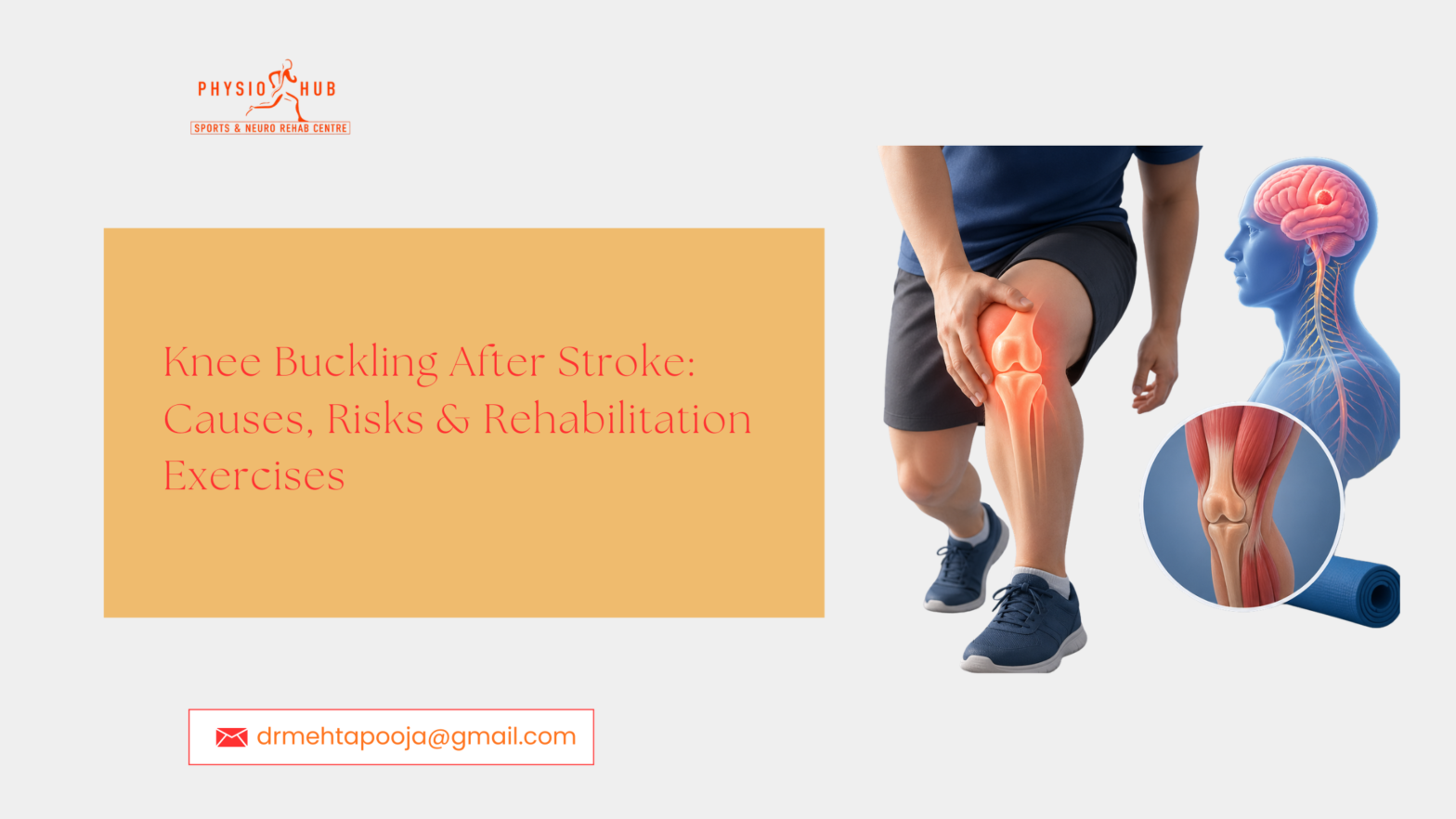
Knee buckling after stroke is a sudden loss of knee stability that can happen within seconds while walking or standing. With the right rehab plan at neuro and sports rehab centre in malad, patients can improve control in 2–6 weeks, reduce fall risk, and regain confident walking.

What is Knee Buckling After Stroke?

Have you ever felt like your leg just “gave up” while walking?

That sudden dip or collapse in your knee… that’s called knee buckling.

After a stroke, this becomes quite common. Not because your knee is damaged—but because your brain and muscles are not fully in sync.

Think of it this way:
 Your brain sends a signal
 Your muscles respond… but with delay or weakness

And in that tiny moment, the knee loses control.

This is something we often see in patients coming for neuro physiotherapy in malad.

Who Needs This Treatment?

You might relate to this more than you think.

You may need rehab if:

  • You’ve had a stroke recently or even years ago
  • Your knee feels shaky while walking
  • You hold onto walls or furniture for support
  • You’ve had a fall—or you’re scared it might happen
  • One side of your body feels weaker

Many patients visiting a physiotherapist in malad west say something like:
 “I’m okay when sitting… but walking feels unpredictable.”

That fear is real. And it’s exactly what rehab aims to fix.

Symptoms & Causes of Knee Buckling After Stroke

 Common Symptoms

It doesn’t always look dramatic. Sometimes it’s subtle.

  • Your knee suddenly dips while walking
  • You feel like your leg won’t support your weight
  • Standing for long feels tiring
  • Balance feels “off”
  • You walk slower… just to stay safe

 Main Causes

Let’s break it down simply.

  1. Muscle Weakness (Quadriceps)
    Your thigh muscle is like a support pillar.
    If it’s weak, the knee struggles to stay stable.
  2. Poor Motor Control
    The brain is still relearning how to send signals.
    Sometimes, the timing is just not right.
  3. Spasticity (Muscle Tightness)
    Muscles may feel stiff and resist smooth movement.
  4. Balance Issues
    Your body finds it harder to stay upright and steady.
  5. Sensory Loss
    You may not fully “feel” where your leg is placed.

Why Knee Buckling is Dangerous

At first, it may seem manageable.

But over time?

  •  Risk of falls increases
  •  Confidence drops
  •  Walking becomes limited
  •  Daily life feels restricted

We’ve seen patients in Mumbai who stopped going out… just because they didn’t trust their legs anymore.

That’s why early rehab at a neuro and sports rehab centre in malad matters so much.

Benefits of Physiotherapy for Knee Buckling

The right therapy doesn’t just treat the knee it retrains your whole system.

Here’s what patients usually notice:

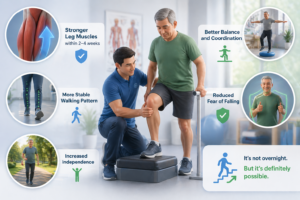
  •  Stronger leg muscles within 2–4 weeks
  •  Better balance and coordination
  •  More stable walking pattern
  •  Reduced fear of falling
  •  Increased independence

Benefits of Physiotherapy for Knee Buckling| sports rehab centre in malad

It’s not overnight. But it’s definitely possible.

 Rehabilitation Process

A clear plan makes all the difference. Let’s walk through it.

Step 1: Detailed Assessment (Day 1)

This is where everything begins.

  • Muscle strength testing
  • Walking pattern analysis
  • Balance evaluation

Sometimes patients are surprised here.
 The actual issue isn’t always what they assumed.

Step 2: Muscle Activation Phase (Week 1–2)

Before building strength, we wake up the muscles.

  • Assisted movements
  • Basic activation exercises
  • Gentle range of motion

It may feel simple… but it’s essential.

Step 3: Strength Training (Week 2–4)

Now the real work begins.

  • Resistance exercises
  • Sit-to-stand practice
  • Step-up movements

Slow progress? Yes.
But steady—and that’s what matters.

Step 4: Gait & Balance Training (Week 3–6)

This is where patients often say,
 “I feel more confident walking now.”

  • Walking with guidance
  • Balance drills
  • Coordination training

Small improvements here make a big difference in daily life.

Step 5: Functional Training

Because life isn’t just about exercises.

  • Climbing stairs
  • Standing for daily tasks
  • Moving around the house

Recovery becomes real here.

Step 6: Home Exercise Plan

What you do at home matters just as much.

  • 15–20 minutes daily
  • Simple guided exercises
  • Focus on consistency

Miss this step… and progress slows down.

Best Exercises for Knee Stability

Some exercises are commonly used in sports physiotherapy in malad:

  • Straight leg raises
  • Mini squats (with support)
  • Heel slides
  • Step-ups
  • Supported balance standing

But here’s something important
 Not every exercise suits everyone.

That’s why guidance from the best physiotherapist in malad Mumbai is key.

Recovery Time for Knee Buckling

One question everyone asks: “How long will it take?”

Here’s a realistic idea:

  • Mild cases: 2–4 weeks
  • Moderate cases: 4–8 weeks
  • Severe cases: 2–3 months

Consistency plays a huge role here.

Even 15–20 minutes daily can change outcomes.

Physiotherapy vs No Treatment

Factor With Physiotherapy Without Treatment
Walking ability Improves steadily Worsens over time
Fall risk Reduced High
Muscle strength Increases Decreases
Independence Regained Lost

Sometimes the biggest risk… is doing nothing.

Role of Spinal & Advanced Therapies

In some cases, additional support helps.

These can enhance recovery when combined with core therapy.

Risks & Safety

Physiotherapy is safe when done correctly.

You might feel:

  • Mild soreness (especially in early sessions)
  • Slight fatigue

That’s normal.

What’s not safe?
 Trying random exercises without guidance.

FAQs

1. Is knee buckling after stroke normal?

Yes, it’s quite common. It usually happens because muscles are weak and the brain is still relearning control.

2. Can knee buckling be cured?

In many cases, yes. With consistent physiotherapy, patients see clear improvement within 4–8 weeks.

3. Which muscle causes knee buckling?

The quadriceps (front thigh muscle) is mainly responsible for keeping the knee stable.

4. Can I walk normally again after knee buckling?

Many patients do regain normal or near-normal walking with proper rehab at a neuro physiotherapy in malad centre.

5. Is surgery required for knee buckling?

Usually not. For stroke-related knee buckling, physiotherapy is the primary and most effective treatment.

6. What is the best exercise for knee stability?

Exercises like straight leg raises and supported squats help—but they should always be personalized.

Conclusion

Knee buckling after stroke can feel scary. That sudden loss of control… the fear of falling… it’s not easy to deal with.

But here’s the good part—recovery is possible.

With the right rehab, guided exercises, and a bit of patience, you can rebuild strength, improve balance, and walk with confidence again.

If you or someone in your family is going through this, don’t ignore it.

 Visit Physio Hub neuro and sports rehab centre in malad
Get support from the best physiotherapist in malad Mumbai and take the first step towards safe, confident movement again.

Have you ever found yourself stretching, only to feel like your muscles are still tight, stiff, or sore? It’s frustrating, right? You dedicate time to stretch, hoping for relief, but the comfort is always short-lived. While stretching is a great tool, it’s just one piece of the puzzle. In this blog, we’ll dive into why stretching alone isn’t enough to fix muscle tightness and how you can take a more holistic approach to truly relax those tight muscles for good.

What is Muscle Tightness?

Muscle tightness is something we all deal with at one point or another. Whether you’ve been at the gym, sitting at your desk for hours, or just waking up with a stiff neck, tight muscles can make everyday activities feel uncomfortable. It’s that feeling of tension or stiffness in your muscles that doesn’t seem to go away.

But here’s the thing: while stretching might give you some temporary relief, it doesn’t always address the root causes of muscle tightness. In fact, treating tight muscles requires more than just a good stretch—it’s about focusing on deeper treatments that target the muscles, nerves, and even your posture.

Who Needs This Treatment?

Anyone can experience muscle tightness, but certain groups are more likely to struggle with it:

  • Athletes: After a rigorous workout or sports activity, muscles can become tight and sore.
  • Office Workers: Sitting in one position for hours at a time can lead to tightness, especially in the back, neck, and shoulders.
  • Seniors: As we age, our muscles lose some flexibility, and tightness becomes more common.
  • People with Chronic Conditions: If you deal with conditions like fibromyalgia or sciatica, tight muscles are often part of the package.

Symptoms and Causes of Muscle Tightness

So, how do you know if you’re dealing with muscle tightness? It often comes with a few telltale signs:

  • Pain: A dull, achy feeling in the affected muscles.
  • Reduced Range of Motion: You may notice that your movements feel restricted or stiff.
  • Stiffness: It might feel like your muscles are “locked” in place.
  • Soreness After Exercise: Especially if you’ve worked hard, your muscles might feel tight the day after.

Common Causes of Muscle Tightness:

  • Overuse: Engaging in physical activities that overexert your muscles can lead to tightness.
  • Dehydration: Not drinking enough water can lead to muscle cramps and tightness.
  • Poor Posture: Sitting or standing improperly for long periods puts strain on certain muscle groups.
  • Lack of Movement: Sitting or standing still for too long can cause muscles to tighten.
  • Injuries: A muscle strain or injury can cause tightness as part of the healing process.

Benefits of Treating Muscle Tightness Effectively

When you address muscle tightness the right way, it can lead to several benefits:

  • Improved Flexibility: You’ll notice your muscles feeling more flexible and free.
  • Reduced Pain: A comprehensive approach can help ease discomfort and prevent it from coming back.
  • Better Posture: Working on muscle tightness can help correct posture problems that cause muscle strain.
  • Improved Movement: Whether you’re an athlete or just someone who wants to feel good during the day, relieving tightness helps you move more freely.

Why Stretching Alone Isn’t Enough

Here’s the truth: while stretching is helpful, it doesn’t get to the core of the issue. It’s like putting a Band-Aid on a wound without cleaning it first. So, why isn’t stretching enough?

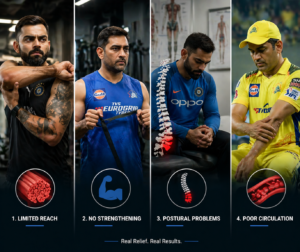
1. Limited Reach

Stretching mainly works on the outer layers of your muscles. Deep muscle fibers, fascia (the connective tissue surrounding muscles), and even the nervous system may still be tight. To get true relief, you need a treatment that targets the deeper structures.

2. No Strengthening

Stretching may loosen muscles, but it doesn’t build strength in them. Tight muscles are often weak muscles. Without strengthening, you might just stretch out the tension, only for it to return because the muscle wasn’t properly supported.

3. Postural Problems

Many cases of muscle tightness come from bad posture. Sitting hunched over at your desk all day, or slouching while watching TV, can make your muscles feel tight and sore. Stretching doesn’t correct your posture. For that, you need more targeted treatments, like spinal decompression in Malad.

4. Poor Circulation

Tight muscles often suffer from poor blood circulation, especially if they’re overworked or injured. Stretching doesn’t always get the blood flowing well enough. That’s where neuro physiotherapy in Malad can help by improving circulation and stimulating muscle recovery.

spinal decompression

Procedure

So, how can you truly tackle muscle tightness? Here’s what a physiotherapist typically does to help:

Step 1: Assessment

  • The first step is identifying the root causes. Your physiotherapist will assess the area of tightness, checking your posture, muscle strength, and any signs of injury.

Step 2: Treatment Plan

  • Based on your condition, the physiotherapist will create a tailored treatment plan. This plan might include stretching, strengthening exercises, spinal decompression in Malad, or neuro physiotherapy in Malad to relax muscles and improve flexibility.

Step 3: Therapeutic Techniques

  • Techniques such as myofascial release, deep tissue massage, or dry needling may be used to target deep muscle layers and connective tissue, releasing the tightness that stretching alone can’t address.

Step 4: Post-Treatment Recommendations

  • After each session, your physiotherapist will recommend specific exercises or stretches for you to do at home to keep improving flexibility and prevent the tightness from returning.

Recovery Time

Recovery time varies based on how severe the tightness is. For example:

  • Mild Tightness: You could see relief in 1–2 weeks with regular treatment.
  • Moderate Tightness: 2–4 weeks of rehabilitation may be necessary, involving stretching, strengthening, and massage.
  • Chronic Tightness: For ongoing tightness, it may take 1–2 months to fully resolve, with consistent treatment.

FAQs

  1. How often should I stretch to relieve muscle tightness?
    • Stretching should be done 3–5 times per week, but it’s more effective when combined with other treatments.
  2. Can spinal decompression help with muscle tightness?
    • Yes! Spinal decompression can help alleviate tightness caused by misalignment or nerve compression, providing long-term relief.
  3. Is sports physiotherapy necessary for muscle tightness?
    • For athletes or anyone with active muscle tightness, sports physiotherapy can help restore balance and prevent further injuries.
  4. Can I treat muscle tightness at home?
    • Yes, light stretching and home exercises can help, but for chronic or severe tightness, professional physiotherapy is recommended.
  5. How long does it take to see improvement in muscle tightness?
    • You’ll generally see improvement within 1–4 weeks, depending on how severe the tightness is and how consistently you follow your treatment plan.

Conclusion

Stretching alone just doesn’t cut it when it comes to fixing muscle tightness. If you’re dealing with persistent tightness, it’s important to take a more holistic approach with treatments like spinal decompression in Malad, sports physiotherapy in Malad, and  physiotherapist in Malad. These treatments can target the root causes of tightness, providing long-lasting relief and improving your overall flexibility and comfort.

Ready to tackle your muscle tightness? Contact PhysioHub Malad today for a personalized treatment plan that goes beyond stretching for real, lasting results!


What Is Physiotherapy and How Does It Work? | Physio Hub Malad West


What Is Physiotherapy and How Does It Work? A Beginner-Friendly Guide

✎ By Dr. Pooja Mehta
📅 Updated: April 2026
🕐 8 min read
📍 Physio Hub, Malad West
📍 Malad West
📍 Malad East
📍 Kandivali
📍 Goregaon
📍 Mumbai
⚡ Quick Answer

Physiotherapy is a healthcare treatment that uses exercise, manual therapy, movement correction, and patient education to reduce pain, improve mobility, and restore physical function. It works by identifying the root cause of the problem and creating a personalized recovery plan instead of only masking symptoms.

Many people hear the word physiotherapy only after an injury, surgery, or long-term pain starts affecting daily life. But physiotherapy is much more than a recovery option. It is one of the most practical and effective ways to improve movement, reduce stiffness, manage pain, and help the body function better in the long run.

If you have ever wondered, “What exactly does a physiotherapist do?” or “How does physio actually help?” this guide will make it simple. Whether you are dealing with back pain, sports injury, frozen shoulder, cervical stiffness, knee pain, or postural problems from long desk hours, understanding how physiotherapy works can help you take the right step at the right time.

17+

Years of experience
1:1

Personalized care approach
Pain

Reduction + recovery focus
Move

Better, stronger, safer

What Is Physiotherapy?

Physiotherapy is a healthcare profession focused on improving the way your body moves and functions. It helps people recover from injury, manage pain, restore strength, improve balance, and return to daily or sports activities with better movement quality.

In simple words, physiotherapy is not just about doing a few exercises. It is a complete rehabilitation approach that may include:

  • Hands-on manual therapy
  • Mobility and stretching work
  • Strengthening exercises
  • Posture correction
  • Pain management techniques
  • Education about movement, activity, and prevention

The main goal is not just to make you feel better for a day. The goal is to help you move better, function better, and live with less pain.

💡 Simple Definition

Physiotherapy is a treatment system that improves movement and physical function using guided exercise, manual techniques, and personalized rehabilitation.

Why Do People Need Physiotherapy?

Most people do not come for physiotherapy because of one dramatic injury alone. Often, they come after weeks or months of ongoing discomfort that starts affecting normal life.

  • Back pain while sitting or standing for long hours
  • Neck stiffness from screen time or bad posture
  • Shoulder pain while lifting the arm
  • Knee pain while walking, climbing stairs, or exercising
  • Sports injuries that keep returning
  • Weakness after surgery or prolonged rest
  • Limited mobility due to joint, muscle, or nerve issues

Many people try painkillers, rest, or random online exercises first. Sometimes that gives short-term relief, but the root issue stays. Physiotherapy becomes important because it looks deeper at the actual reason behind the pain or movement problem.

🔎 Why early physio matters
The earlier the problem is assessed, the easier it usually is to correct movement patterns, reduce pain, and avoid long-term stiffness or repeated injury.

How Does Physiotherapy Work?

Physiotherapy works through a step-by-step process. It is not a one-size-fits-all treatment. A good physio plan is built around your pain points, body mechanics, lifestyle, and recovery goals.

  1. Assessment and movement analysis
    The physiotherapist understands your symptoms, medical history, activity level, posture, and movement restrictions. This step helps identify what is really causing the issue.
  2. Root cause identification
    Pain is not always coming from the place where you feel it. For example, knee pain may be linked to weak hips, and neck pain may come from posture or upper back stiffness.
  3. Personalized treatment planning
    Once the problem is understood, a customized plan is created. This may include manual therapy, mobility work, strengthening, functional exercise, or pain-relief modalities.
  4. Active rehabilitation
    This is where real progress happens. The body is trained to move better through guided rehab exercises, improved control, better strength, and safer movement patterns.
  5. Education and prevention
    You also learn what to change in daily life, posture, routine, warm-up, or training so the problem does not keep coming back.

What Treatments Are Used in Physiotherapy?

Depending on the condition, a physiotherapist may use one or a combination of methods. At a modern clinic, physio treatment is often much more comprehensive than people expect.

  • Manual Therapy: Hands-on techniques to reduce stiffness, improve joint movement, and relax tight muscles.
  • Exercise Therapy: Specific exercises for mobility, strength, control, balance, and endurance.
  • Sports Physiotherapy: Recovery and performance support for athletes and active individuals.
  • Chiropractic and Osteopathy-based approaches: Useful for musculoskeletal alignment, function, and mobility support.
  • Laser Therapy: Often used to support pain relief, tissue healing, and inflammation management in selected cases.

The best results usually come when hands-on treatment is combined with active rehab and proper guidance.

Benefits of Physiotherapy

  • Helps reduce pain naturally
  • Improves mobility and flexibility
  • Builds strength and body control
  • Supports faster recovery after injury
  • Improves posture and movement habits
  • Helps avoid recurring pain episodes
  • May reduce the need for unnecessary medication
  • Can support post-surgery rehabilitation
  • Helps athletes return to sport more safely
  • Improves confidence in movement again
✅ The real benefit

A good physiotherapy program does not just calm pain. It improves the way your body handles movement so you can work, train, sit, walk, and live more comfortably.

Physiotherapy vs Painkillers vs Rest

Factor Physiotherapy Painkillers Complete Rest
Main focus Fixes movement and function Temporarily masks symptoms Reduces activity only
Long-term benefit High when followed properly Limited Often incomplete
Root cause approach Yes No Usually no
Builds strength and mobility Yes No No
Risk of recurrence Lower with proper rehab Higher Higher

Who Should Consider Physiotherapy?

Physiotherapy is not only for athletes or people recovering from fractures. It can help a wide range of people at different stages of life.

  • Office professionals with posture-related pain
  • Gym-goers with recurring muscle or joint issues
  • People with neck, back, shoulder, or knee pain
  • Senior citizens with weakness or balance concerns
  • Patients recovering after surgery
  • Individuals with sports injuries
  • People dealing with stiffness, reduced flexibility, or restricted movement

Types of Physiotherapy

Different conditions need different approaches. That is why physiotherapy is often divided into treatment areas based on the patient’s needs.

  • Orthopedic Physiotherapy: For muscles, joints, ligaments, and bones
  • Sports Physiotherapy: For injury prevention, rehab, and performance recovery
  • Neurological Physiotherapy: For nerve-related or neurological movement problems
  • Post-operative Rehabilitation: For strength and mobility recovery after surgery
  • Pain Management Physiotherapy: For chronic pain, stiffness, and functional improvement

What Happens During Your First Physio Session?

If you have never visited a physiotherapist before, the first session usually feels more like a detailed movement consultation than a simple treatment appointment.

  • Discussion of symptoms and medical history
  • Posture and movement assessment
  • Testing of strength, flexibility, and pain response
  • Explanation of the likely cause of your issue
  • A clear treatment plan with next steps

This is important because quality physiotherapy is always personalized. Two people with “back pain” may need completely different treatment plans depending on the cause.

How Long Does Physiotherapy Take to Show Results?

This depends on your condition, how long you have had it, how severe it is, and how consistently you follow the treatment plan. Some people feel relief in a few sessions, especially when the issue is recent. Others need a structured rehab journey over several weeks.

The key is consistency. Physiotherapy works best when clinic treatment and home guidance are both followed properly.

Need Help Understanding Your Pain or Stiffness?

Book a professional assessment at Physio Hub and get a personalized recovery plan designed around your body, movement, and goals.

Book an Appointment
📞 Call Now

Why Choose Physio Hub in Malad West?

Choosing the right physiotherapy clinic matters because treatment quality directly affects recovery quality. A structured, patient-centered approach makes a big difference.

  • Led by Dr. Pooja Mehta
  • Patient-centered assessment and rehab planning
  • One-on-one care approach
  • Focus on both pain relief and long-term recovery
  • Services include manual therapy, chiropractic, laser therapy, and sports physiotherapy
  • Convenient location in Malad West

🏠 Physio Hub – Contact Details

Address: Plot No. 5, Evershine Nagar, Next To Landmark Restaurant, Link Road, Malad West, Mumbai 400064

Phone: +91 89282 55456 | +91 99879 73866

Email: drmehtapooja@gmail.com

Frequently Asked Questions

What is physiotherapy in simple words?

Physiotherapy is a treatment approach that helps reduce pain, improve movement, and restore physical function using exercise, manual therapy, and guided rehabilitation.

How does physiotherapy actually work?

It works by identifying the root cause of pain or restriction and then correcting it with a personalized plan that may include movement training, strengthening, posture correction, and pain-relief techniques.

Is physiotherapy only for injuries?

No. It also helps with posture issues, chronic pain, sports recovery, stiffness, mobility problems, and preventive care.

How many sessions will I need?

That depends on your condition, goals, and consistency. Some conditions improve quickly, while others need a longer rehab plan.

When should I see a physiotherapist?

You should consider physiotherapy if pain, stiffness, weakness, or reduced movement is affecting your daily routine, workout, sports activity, or recovery after injury.

Start Your Journey to a Pain-Free Life

If pain, stiffness, or limited movement is holding you back, get expert guidance and a structured rehab plan at Physio Hub, Malad West.

Book Your Assessment

PM

Dr. Pooja Mehta

Dr. Pooja Mehta leads Physio Hub in Malad West with a patient-centered approach focused on mobility, pain relief, rehabilitation, and long-term physical wellness. This article is written in a beginner-friendly format to help patients understand what physiotherapy is, how it works, and when to seek expert care.

Disclaimer: This article is for educational purposes only and should not replace a personal consultation, diagnosis, or treatment plan from a qualified healthcare professional.


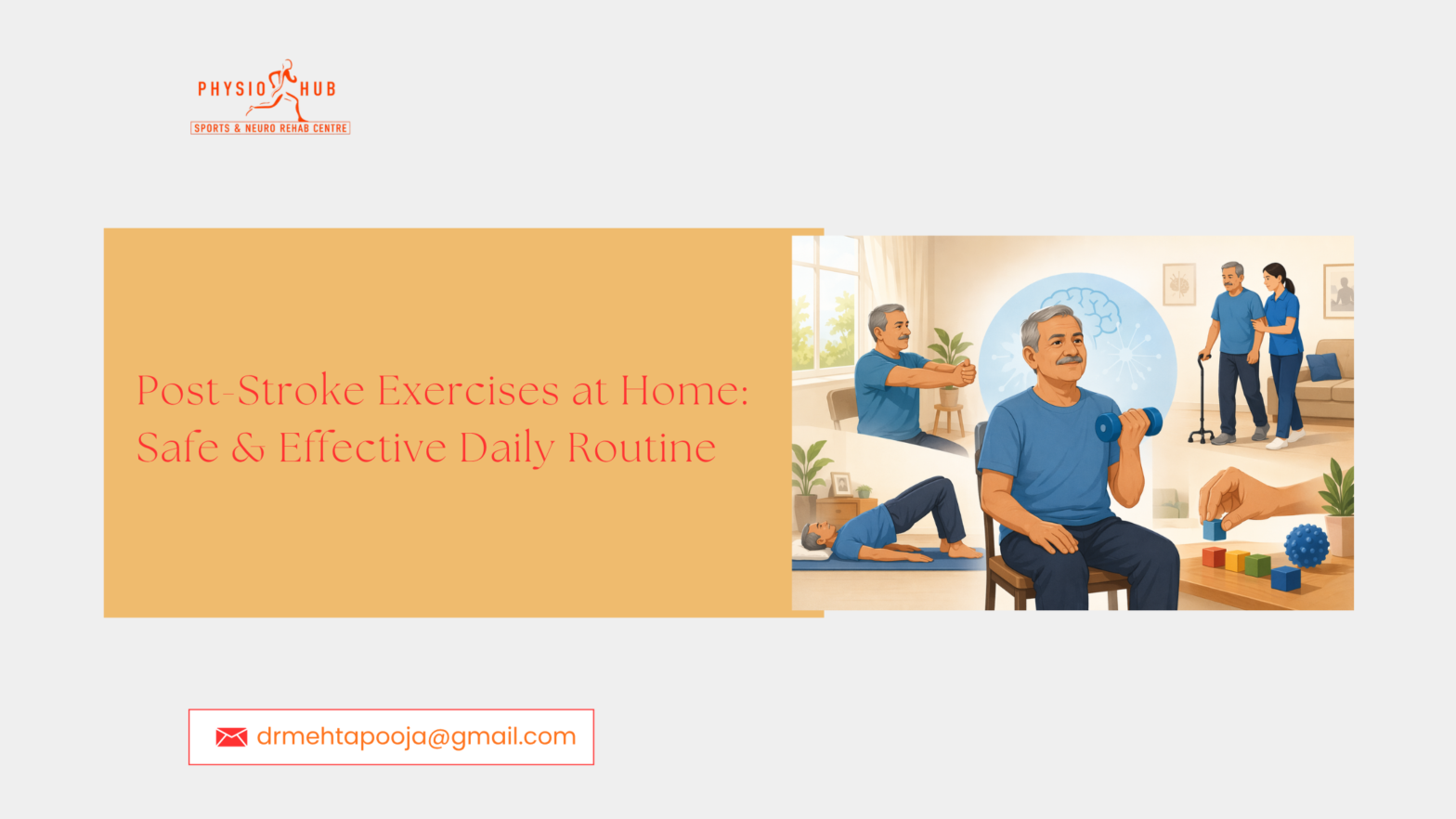
Post-stroke exercises at home are simple, guided movements done daily (20–30 minutes) to improve strength, balance, and brain-muscle connection after a stroke. With consistent practice, most patients start noticing better movement, coordination, and confidence within a few weeks.

What is Post-Stroke Exercise at Home?

Post-stroke exercises are structured movements designed to help the brain relearn control over muscles after a stroke.

After a stroke, something important changes  the communication between your brain and body slows down or gets disrupted. And that’s exactly what these exercises work on.

 Think of it like this:
Your muscles are ready… but your brain needs a little reminder on how to use them again.

Many patients we see at a neuro and sports rehab centre in malad say the same thing:
“I can feel my hand… but I can’t control it properly.”

That’s where consistent training makes all the difference.

Who Needs Post-Stroke Exercises?

You might be wondering  “Is this really necessary for me?”

If you’ve had a stroke, chances are your body needs some level of retraining.

You should start (with proper guidance) if you notice:

  • Weakness on one side of the body
  • Difficulty walking or balancing
  • Trouble using your hands (grip, coordination)
  • Facial weakness or speech issues
  • Fear or hesitation during daily activities

Even if your stroke happened months ago, recovery doesn’t just stop.

 In fact, many patients improve even after 6–12 months with the right home exercises after stroke recovery.

Common Symptoms After Stroke

No two strokes are exactly the same. But certain patterns show up often.

You might experience:

  • Weakness in arm or leg
  • Loss of balance while walking
  • Difficulty standing for long
  • Hand stiffness or poor grip
  • Facial drooping
  • Slow or tiring movements

At first, these changes can feel frustrating. Simple tasks suddenly feel difficult.

 That’s exactly why physiotherapy exercises for stroke patients are so important — they help you slowly regain control.

Benefits of Daily Stroke Recovery Exercises

Let’s be honest  doing exercises daily isn’t always easy.

Some days you’ll feel motivated. Some days, not so much.

But here’s what consistent stroke recovery exercises daily routine can do:

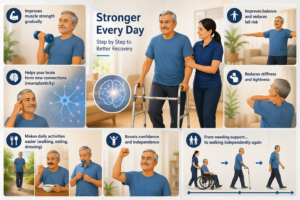
  •  Improves muscle strength gradually
  •  Helps your brain form new connections (neuroplasticity)
  •  Improves balance and reduces fall risk
  •  Reduces stiffness and tightness
  •  Makes daily activities easier (walking, eating, dressing)
  •  Boosts confidence and independence

We’ve seen patients go from needing full support… to walking independently again.

Not overnight. But step by step.

benefits of exercises

 Post-Stroke Exercise Routine at Home

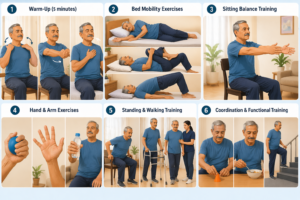
 Perform this routine 1–2 times daily (20–30 minutes)

Don’t rush. Take breaks if needed. This is not a race  it’s recovery.

1: Warm-Up (5 minutes)

Start gently.

  • Slow shoulder rotations
  • Light arm movements
  • Deep breathing

 This prepares your body. Think of it as switching your system “on”.

 2: Bed Mobility Exercises

Especially helpful in early recovery.

  • Rolling side to side
  • Assisted leg bending
  • Hip lifting (bridging)

 These small movements build the foundation for bigger ones.

 3: Sitting Balance Training

This may look simple  but it’s powerful.

  • Sit upright without support
  • Shift weight left and right
  • Reach forward slowly

At first, even sitting steady can feel like a task. That’s normal.

 4: Hand & Arm Exercises

This is where many patients struggle  and improve.

  • Squeeze a soft ball
  • Open and close fingers
  • Lift arm with support

One patient told us, “I couldn’t even hold a spoon… now I can eat on my own.”

 That’s progress.

 5: Standing & Walking Training

Now we move to functional recovery.

  • Practice sit-to-stand
  • Stand with support
  • Walk slowly with assistance

It might feel scary initially.
“What if I lose balance?”

That fear is real  and it reduces with practice.

 6: Coordination & Functional Training

This is where things start feeling like “normal life” again.

  • Picking up objects
  • Practicing daily tasks
  • Step training

 Because recovery isn’t just about movement… it’s about getting your life back.

stroke recovery process at home

Recovery Time: How Long Does It Take?

This is one of the most common questions.

And the honest answer is  it depends.

But here’s a general idea:

  • First 1–2 weeks: Small visible improvements
  • 1–3 months: Better control and strength
  • 3–6 months: Functional recovery improves
  • 6+ months: Continued progress with routine

Some days will feel slow. Some days will surprise you.

What matters most? Showing up daily.

Home Exercises vs Physiotherapy Centre

Factor Home Exercises Rehab Centre
Convenience High Medium
Guidance Limited Expert supervision
Recovery Speed Moderate Faster
Customization Basic Highly personalized
Safety Needs care Monitored

Home exercises are important. But doing them alone can sometimes feel confusing.

 That’s why visiting a physiotherapist in malad helps you stay on the right track.

Risks & Safety Tips

While doing neuro rehab exercises at home, keep it safe:

  • Avoid pushing too hard
  • Move slowly and mindfully
  • Use support (chair, wall, helper)
  • Stop if you feel pain or dizziness
  • Always follow expert guidance

Recovery should feel challenging… not risky.

Why Choose a Neuro Rehab Centre in Malad?

Here’s something many people don’t realize:

Recovery is not just about doing exercises  it’s about doing the right exercises.

At a neuro and sports rehab centre in malad, you get:

  • Personalized recovery plans
  • Expert neuro physiotherapy support
  • Guided stroke rehabilitation exercises at home
  • Progress tracking and adjustments
  • Motivation and emotional support

 And honestly, that support makes a big difference.

FAQs

1. What are the best home exercises after stroke recovery?

Simple movements like arm lifting, hand grip exercises, sitting balance training, and walking practice are highly effective and commonly recommended.

2. How many times a day should stroke exercises be done?

Ideally, 1–2 times daily for 20–30 minutes. Regular practice gives better results than doing too much at once.

3. Can physiotherapy exercises fully cure stroke effects?

Stroke recovery varies, but physiotherapy helps improve strength, coordination, and independence significantly over time.

4. Is it safe to do stroke exercises without supervision?

Basic exercises can be done at home, but it’s always safer to consult a physiotherapist in malad for proper guidance.

5. When should stroke rehabilitation start?

Rehabilitation should begin as early as possible — often within a few days after the stroke, depending on medical advice.

Conclusion

Stroke recovery can feel slow. Some days, it might even feel like nothing is changing.

But if you look closely… small improvements are always happening.

A better grip. A steadier step. A little more confidence.

And that’s how recovery works.

 With the right stroke recovery exercises daily routine, support, and patience  your body can relearn.

Start Your Recovery with Expert Guidance

If you or your loved one is going through stroke recovery, don’t try to figure it out alone.

Visit Physio Hub – the best neuro and sports rehab centre in malad Mumbai for expert care and guided recovery plans.

Book a consultation with a trusted physiotherapist in malad today and take the first real step towards independent living.

Bell’s Palsy usually starts improving within 2–3 weeks and recovers in 3–6 months. If your recovery is slow, it often means the facial nerve is not being retrained properly and with the right neuro physiotherapy, improvement can still happen even after months.

If you’re reading this, chances are you’ve been waiting… and waiting… but not seeing the change you expected.

Maybe your smile still feels uneven.
Maybe your eye doesn’t close fully.
Or maybe you’re just thinking  “Why is this taking so long?”

You’re not alone. Many patients come to a neuro and sports rehab centre in Malad with the exact same concern.

Let’s understand what’s really going on  in a simple way.

What is Bell’s Palsy?

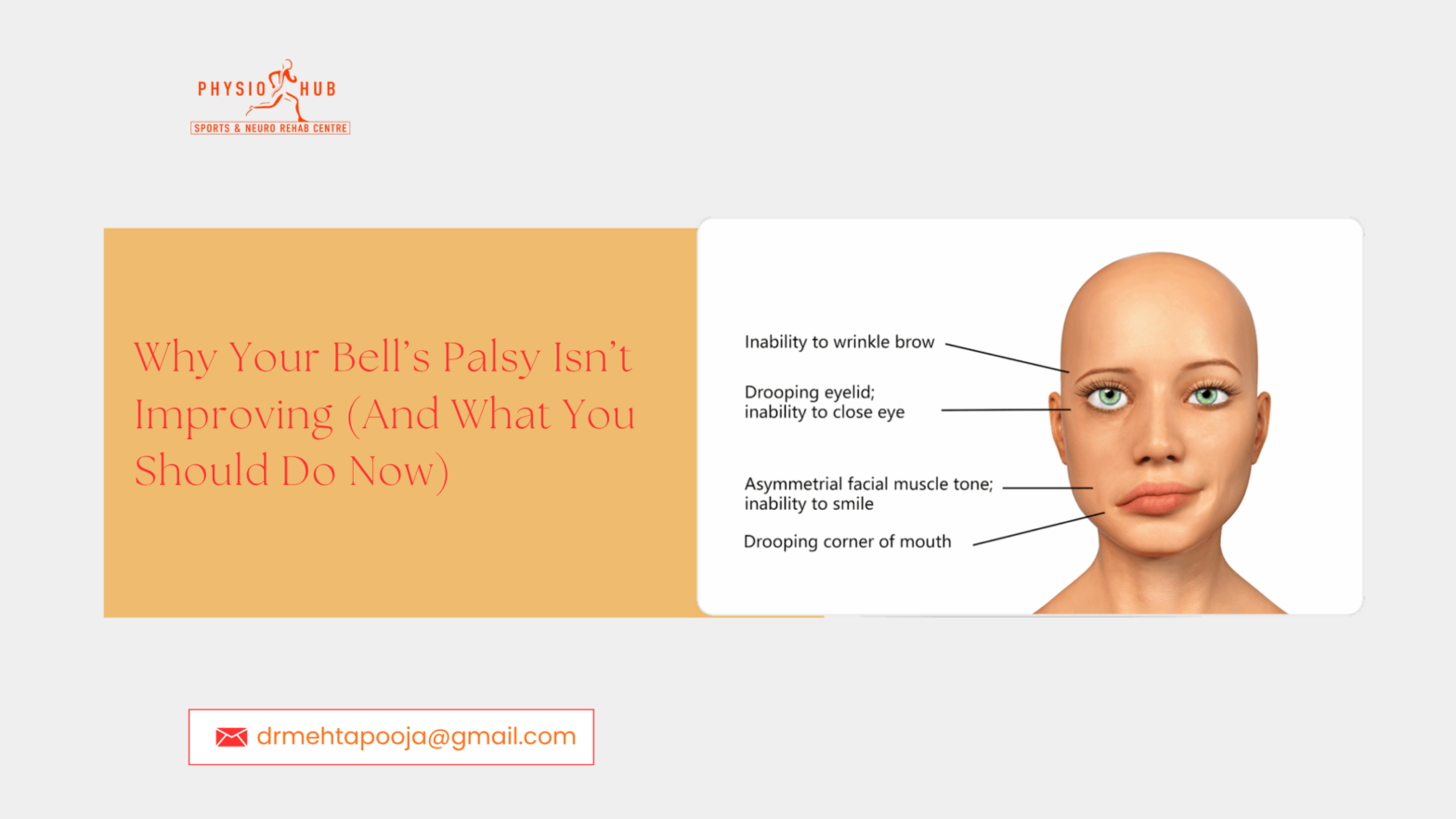
Bell’s Palsy is a sudden weakness or paralysis of facial muscles, usually affecting one side of your face.

It happens when the facial nerve becomes inflamed or compressed.

That’s when you start noticing small but scary changes:

  • One side of the face drooping
  • Difficulty smiling properly
  • Trouble closing your eye
  • Speech or eating feeling slightly off

It often happens overnight, which is why it feels even more alarming.

But here’s something important  recovery is possible.
The real question is… are you guiding your recovery the right way?

Who Needs This Treatment?

You might need proper rehab if:

  • It’s been 2–3 weeks and you don’t see improvement
  • Your face still feels tight or heavy
  • Your smile looks uneven in the mirror
  • You struggle to close your eye fully
  • You feel stuck despite taking medicines

A lot of people search for a physiotherapist in Malad West at this stage  and honestly, that’s the right move.

Because this is where recovery needs direction.

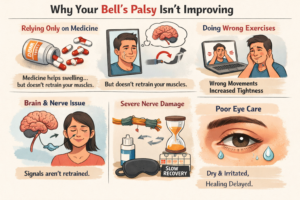
Why Your Bell’s Palsy Isn’t Improving

Let’s talk about the real reasons the ones most people don’t realize.

1. Delayed Physiotherapy

Many patients depend only on medicines in the beginning.

Medicines help reduce swelling, yes…
But they don’t teach your face how to move again.

Think of it like this
your muscles are ready, but your brain isn’t giving the right signals.

2. Incorrect Exercises

You might have tried exercises from YouTube or random sources.

But without guidance:

  • You may activate the wrong muscles
  • Movements become uncoordinated
  • Tightness increases

We’ve seen patients who tried too hard… and unknowingly slowed their recovery.

3. Lack of Neuro Retraining

Here’s something most people don’t know:

Bell’s Palsy is not just a muscle problem  it’s a brain + nerve problem.

Your brain needs to relearn how to control your face.

Without this retraining, signals stay weak or confused.

4. Severe Nerve Involvement

Sometimes, the nerve damage is deeper.

In such cases:

  • Recovery takes longer
  • Progress feels slow
  • But improvement is still possible

It just needs patience… and the right approach.

5. Poor Eye Care

This part is often ignored.

If your eye isn’t closing properly:

  • It can become dry
  • Irritation can increase
  • Healing may slow down

Something as simple as eye care can make a big difference.

bells palsy

Symptoms That Need Immediate Attention

If you’re noticing these signs, it’s better not to wait:

  • No improvement even after 3–4 weeks
  • Sudden tightness or twitching in the face
  • Eye redness or dryness
  • Difficulty eating or speaking clearly

This is when visiting a neuro rehab centre in Malad becomes important.

Benefits of Proper Physiotherapy for Bell’s Palsy

With the right guidance at a best physiotherapy clinic in Malad, recovery becomes more structured and predictable.

Here’s what patients usually experience:

  •  Better control over facial movements
  •  More symmetrical smile over time
  •  Reduced stiffness and tightness
  •  Improved coordination between brain and muscles
  •  Faster recovery (often significantly better than doing nothing)
  •  Lower risk of long-term complications

A good neuro physiotherapy Mumbai approach doesn’t just treat the face it retrains the brain behind it.

bells palsy before and after

 Bell’s Palsy Treatment Process

At Physio Hub, every patient’s journey is a little different but here’s how it generally looks:

1. Assessment (Day 1)

We start by understanding your condition:

  • Facial strength
  • Nerve response
  • Movement patterns

It’s not just about what’s weak… but how your face is behaving.

2. Facial Muscle Activation

We begin gently.

  • Assisted movements
  • Controlled exercises
  • Mirror-based feedback

At first, even small movements matter.

3. Neuro Re-education

This is where real change begins.

We retrain your brain to send correct signals again.

  • Controlled expressions
  • Repetition with awareness
  • Gradual improvement

It’s like teaching your face a skill it has forgotten.

4. Manual Therapy

To reduce tightness:

  • Soft tissue release
  • Gentle facial massage
  • Relaxation techniques

Many patients say this step brings relief almost immediately.

5. Home Exercise Plan

Consistency is key.

  • 20–30 minutes daily
  • Simple guided routine
  • Easy to follow

No confusion. No guesswork.

6. Advanced Techniques

In some cases:

  • Electrical stimulation
  • Biofeedback therapy

A facial rehab specialist in Mumbai decides what’s right for you  not a one-size-fits-all approach.

Recovery Time: What to Expect

Every patient asks this  “How long will it take?”

Here’s a realistic idea:

Stage Timeline What Happens
Early Stage 1–2 weeks Small improvements begin
Active Rehab 3–8 weeks Better control and movement
Advanced Recovery 2–6 months Smile and symmetry improve

Some recover faster. Some take longer.

And that’s okay.

Home vs Clinic Treatment (Comparison)

Factor Home Exercises Clinic Physiotherapy
Guidance Limited Expert supervision
Accuracy Low High
Results Slow Faster
Risk of mistakes High Minimal

The best results usually come from combining both.

Risks of Ignoring Proper Treatment

Let’s be honest  ignoring rehab can lead to:

  •  Permanent facial imbalance
  •  Unwanted movements (synkinesis)
  •  Long-term stiffness
  •  Confidence issues

We’ve seen patients regret waiting too long.

But the good news? It’s rarely too late to start.

Is Bell’s Palsy Recovery Possible After Months?

Yes, absolutely. Even after 2–3 months, recovery is still possible with proper neuro physiotherapy.

Your brain has something called neuroplasticity
which means it can relearn and adapt.

With the right training, change can still happen.

FAQs

1. Why is my Bell’s Palsy not improving?

It could be due to delayed physiotherapy, incorrect exercises, or lack of nerve retraining. With the right rehab approach, improvement can still begin.

2. How long does Bell’s Palsy take to recover?

Most people recover within 3–6 months. Mild cases may improve in a few weeks, while others take longer.

3. Can physiotherapy cure Bell’s Palsy?

Physiotherapy helps restore function and movement. It improves coordination and speeds up recovery significantly.

4. What happens if Bell’s Palsy is left untreated?

It can lead to long-term stiffness, facial imbalance, or unwanted movements.

5. When should I start physiotherapy for Bell’s Palsy?

Ideally within the first 1–2 weeks. Early treatment gives better results.

6. Is facial massage helpful in Bell’s Palsy?

Yes, but only when done correctly. Wrong techniques can worsen symptoms.

Conclusion

If your Bell’s Palsy isn’t improving, don’t ignore that feeling.

Your body is telling you something.

Instead of waiting, take action:

  • Start structured physiotherapy
  • Avoid random exercises
  • Focus on proper neuro retraining

At Physio Hub, a trusted neuro and sports rehab centre in Malad, we understand how frustrating this phase can feel.

And more importantly  we know how to guide you through it.

Take the First Step Toward Recovery

If you or someone close to you is going through Bell’s Palsy:

Consult the best physiotherapist in Malad Mumbai at Physio Hub
Get a personalized recovery plan
Start seeing real, measurable improvement

Don’t wait for recovery to happen. Take the first step today.

Ever felt a sharp, shooting pain that starts in your lower back and travels down your leg?
It’s uncomfortable, frustrating and honestly, a little scary. That’s what many people experience with sciatica.

For people in Malad, Mumbai, this pain often creeps into daily life. Sitting at your desk becomes difficult. Walking feels heavy. Even sleeping can turn into a struggle. And the worst part? The pain keeps coming back.

Most people try quick fixes painkillers, rest, or random exercises from the internet. But have you noticed how the relief doesn’t last? That’s because sciatica isn’t just a muscle issue. It’s a nerve problem.

That’s where professional care at a Sports and Neuro rehab centre in malad like Physio Hub makes a real difference. Instead of just managing pain, physiotherapy helps you understand why it’s happening and how to fix it for good.

In this guide, we’ll walk you through everything from sciatica physiotherapy treatment to exercises and advanced therapies so you can move freely again.

Physiotherapy helps sciatica by reducing nerve pressure, improving mobility, and strengthening supporting muscles. Treatments like manual therapy, targeted exercises, and dry needling address the root cause of pain, providing long-term relief and faster recovery without surgery.

What is Sciatica?

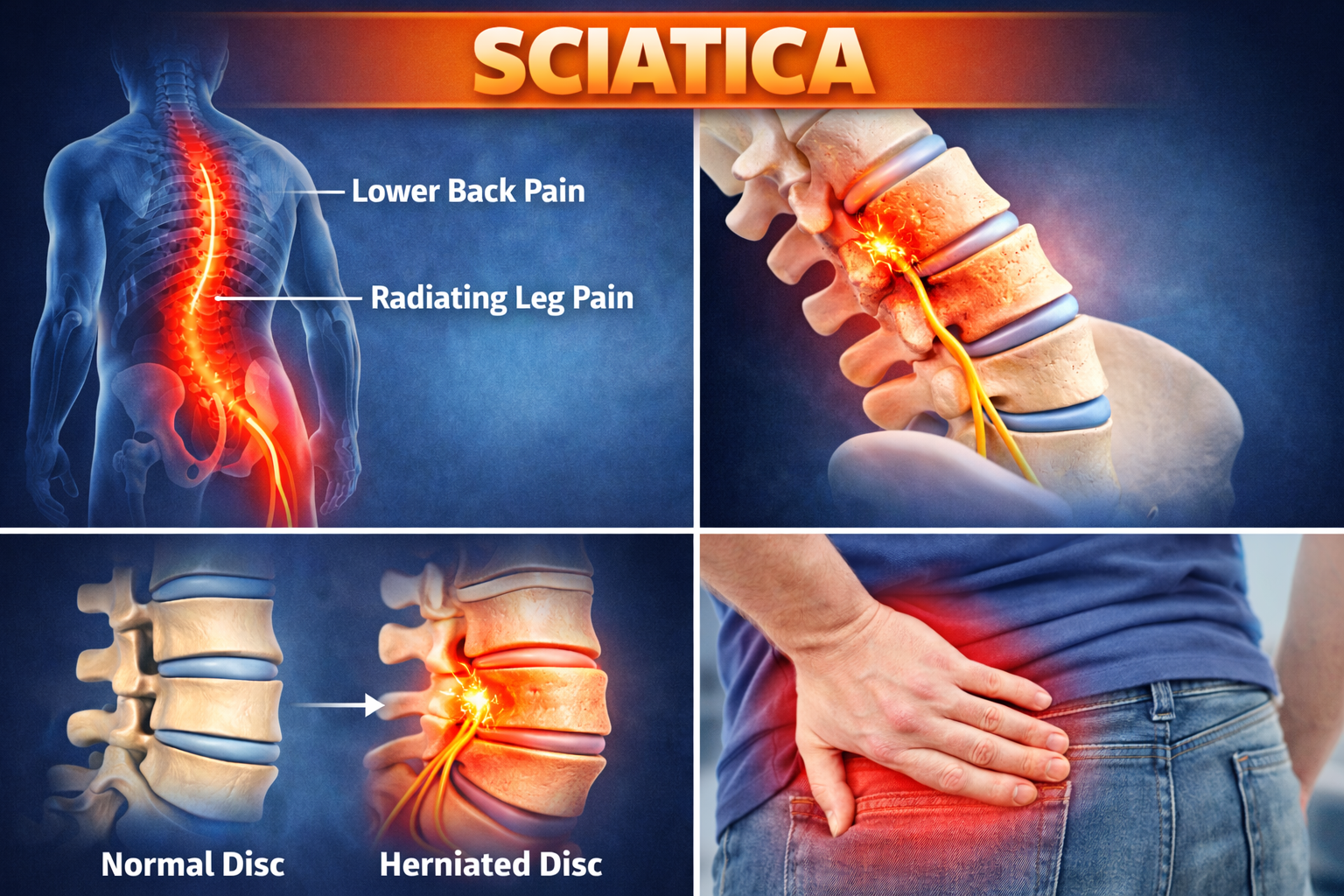
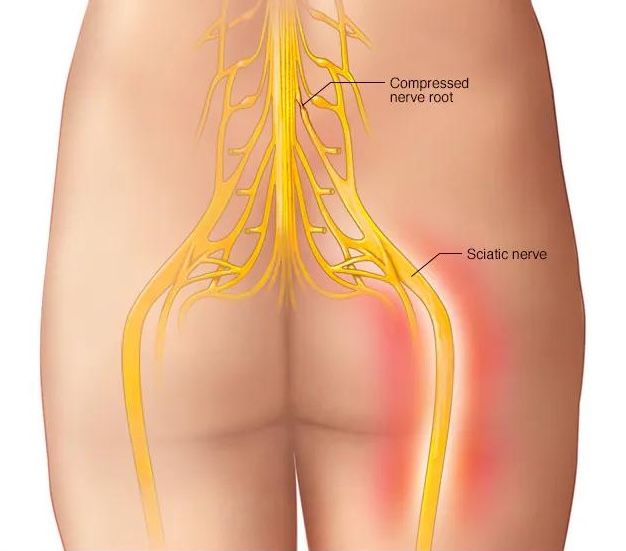
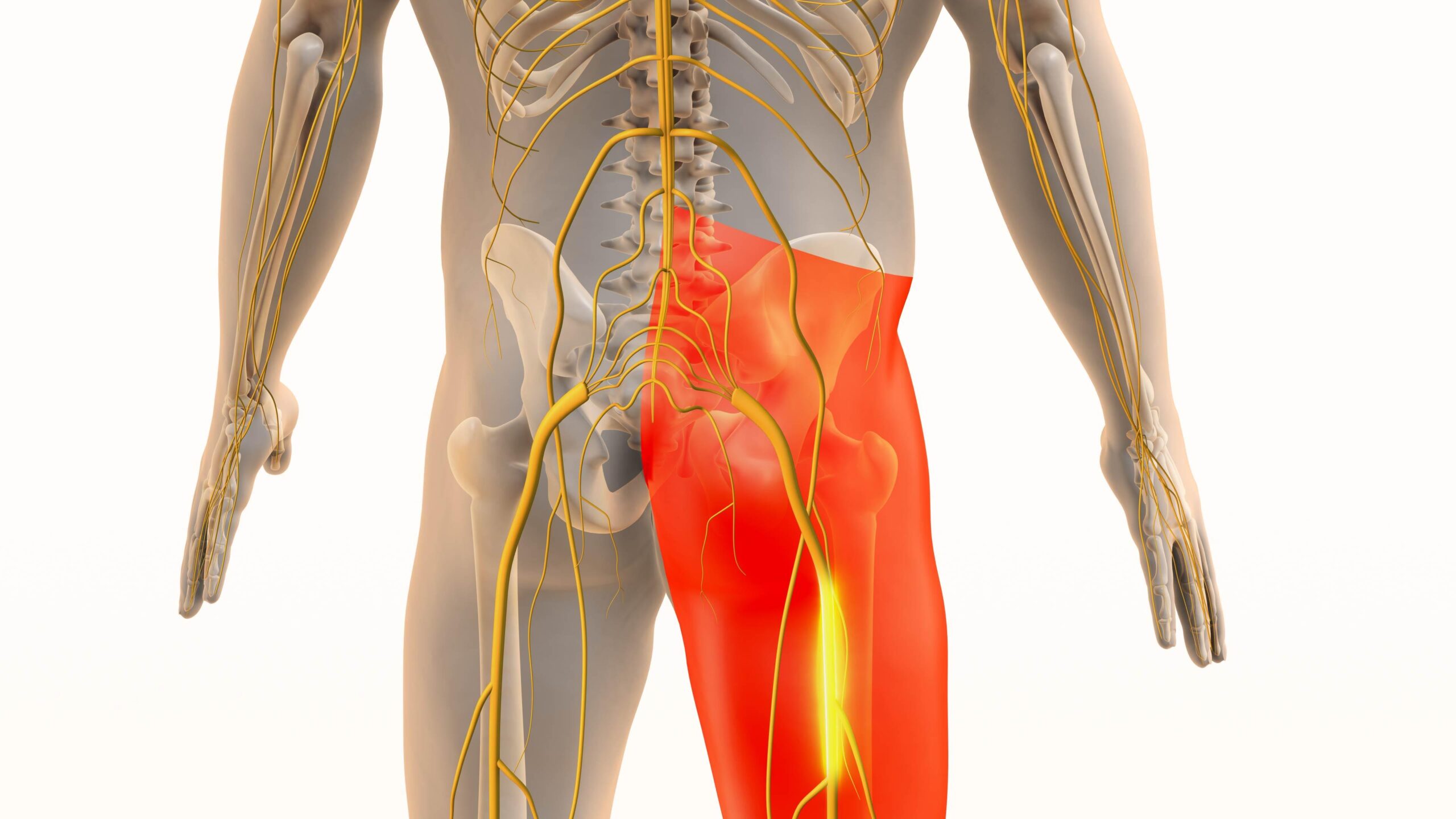
Sciatica is not just “back pain.” It’s a condition where the sciatic nerve gets irritated or compressed.

This nerve runs from your lower back all the way down to your legs. So when it’s affected, the pain travels too.

You might feel:

  • A sharp or burning pain down one leg
  • Tingling or “pins and needles”
  • Numbness or weakness

One patient at Physio Hub once described it perfectly:
“It felt like an electric current running down my leg every time I stood up.”

That’s classic sciatica.

And unlike regular back pain, sciatica nerve pain treatment focuses on relieving pressure on the nerve not just relaxing muscles.

Sciatica is nerve-related pain that travels from the back to the leg—and it needs targeted treatment, not guesswork.

Causes

causes of sciatica

What actually causes sciatica?

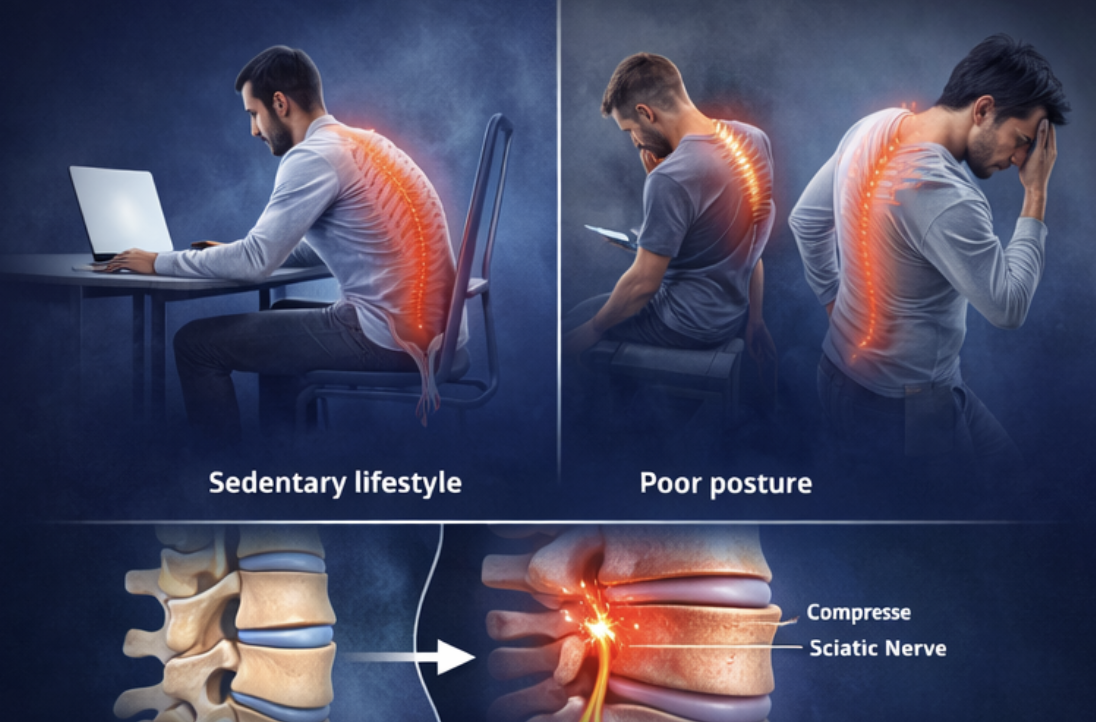
There isn’t just one reason. It’s usually a combination of factors:

  • Herniated or slipped disc pressing on the nerve
  • Long hours of sitting (very common in Mumbai work culture)
  • Poor posture or lifting habits
  • Tight muscles, especially in the hips
  • Age-related spine changes

Why does physiotherapy matter so much?

Because ignoring it doesn’t make it go away.

  • Painkillers give temporary relief
  • Rest may reduce movement but increases stiffness
  • The root cause remains untreated

Why early treatment is important

Think about this would you ignore a warning light in your car?

  • Early physiotherapy prevents nerve damage
  • Speeds up recovery
  • Reduces chances of chronic pain

The longer you wait, the harder it gets to fix. Early care makes recovery easier.

How Physiotherapy Works for Sciatica

sciatica nerve physiotherapy in malad

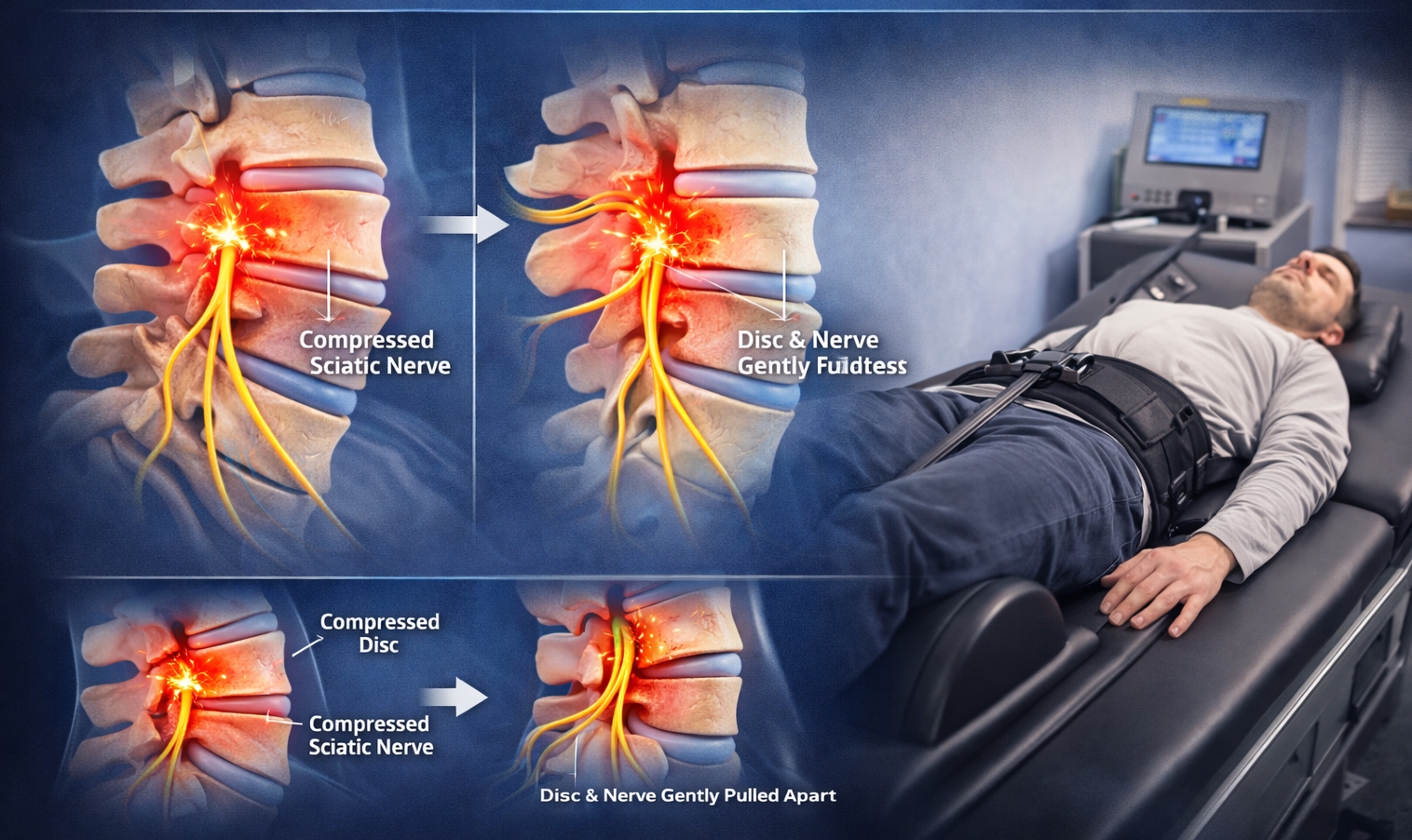
At a professional Neuro rehab centre in malad like Physio Hub, treatment isn’t random it’s planned and personalized.

Step 1: Understanding Your Pain

Your physiotherapist studies how you move, sit, and stand.
Every detail matters.

Step 2: Reducing Pain First

Before anything else, pain needs to settle.

  • Manual therapy for sciatica pain
  • Heat or cold therapy
  • Electrotherapy

Step 3: Restoring Movement

Once pain reduces, your body needs to move again.

  • Gentle stretches
  • Nerve gliding exercises

Step 4: Building Strength

Weak muscles often cause recurring pain.

  • Core strengthening
  • Back and hip activation

Step 5: Advanced Therapies

Here’s where modern physiotherapy shines:

  • Dry needling for sciatica relief
  • Trigger point release
  • Advanced physiotherapy techniques for sciatica

Step 6: Back to Daily Life

You’re trained to move better while walking, working, even sitting.

It’s not just exercise it’s a step-by-step recovery plan tailored to your body.

Benefits of Physiotherapy for Sciatica

What changes once you start proper treatment?

  •  Pain starts reducing naturally
  •  You move more freely
  •  Nerve pressure decreases
  •  Daily activities become easier
  •  Chances of recurrence drop
  •  Surgery can often be avoided

Many patients notice improvement within 2–3 weeks when consistent.

And the biggest benefit?
You feel in control of your body again.

Physiotherapy gives you long-term relief—not just temporary comfort.

Comparison with Other Treatments

Let’s be honest most people try everything before physiotherapy.

Here’s how options compare:

Treatment Option Effectiveness Long-Term Relief Side Effects Recommended?
Painkillers Low  No Yes Temporary
Bed Rest Very Low  No Stiffness Not advised
Surgery High (severe cases)  Yes High risk Last option
Physiotherapy High  Yes Minimal Best first-line treatment

If you want a safe and lasting solution, physiotherapy is your best first step.

Who is a Good Candidate?

You might be wondering “Do I really need physiotherapy?”

You probably do if:

  • Pain shoots down your leg
  • Sitting or bending worsens it
  • You feel tingling or numbness
  • Pain lasts more than a week
  • You want to avoid surgery

In Malad, Mumbai, many people delay treatment thinking it will go away on its own.
But in reality, early care at a Neuro rehab centre in malad leads to faster and smoother recovery.

If your pain is spreading or lasting don’t wait. Get it checked early.

Cost

One common question “How much will it cost?”

The truth is, it depends.

Factors affecting cost:

  • Severity of your condition
  • Number of sessions required
  • Use of advanced therapies
  • Expertise of the clinic

At Physio Hub, plans are designed to be practical—so you get results without unnecessary sessions.

Treating early is always more affordable than managing long-term pain.

Industry Trends in 2026

Physiotherapy today is not what it used to be a few years ago.

What’s changing in 2026?

  • AI-based posture and movement analysis
  • Personalized rehab programs
  • Integration with neurological physiotherapy
  • Use of dry needling for sciatica relief
  • Combination of clinic sessions + home programs

This means faster recovery, better precision, and fewer relapses.

Modern physiotherapy is smarter, more personalized, and more effective than ever.

Why Choose Physio Hub in Malad, Mumbai?

Choosing the right clinic can make all the difference.

At Physio Hub, care goes beyond just treatment.

What you can expect:

  •  Experienced physiotherapists trained in neuro rehab
  •  Advanced techniques like manual therapy and dry needling
  •  Personalized plans (no one-size-fits-all approach)
  •  Focus on long-term recovery
  •  Convenient location in Malad, Mumbai

Patients often say the same thing after a few sessions
“I wish I had started earlier.”

If you’re looking for a trusted Neuro rehab centre in malad, this is where structured recovery begins.

The right guidance doesn’t just reduce pain it changes how your body moves forever.

FAQs

1. Can physiotherapy completely cure sciatica?

Yes, in most cases, sciatica physiotherapy treatment can fully resolve symptoms if treated early and consistently.

2. How long does recovery take?

It usually takes 2–8 weeks, depending on severity and commitment to exercises.

3. Are exercises safe for sciatica?

Yes, but only guided exercises for sciatica pain should be done to avoid worsening the condition.

4. Is dry needling effective?

Yes, dry needling for sciatica relief helps release muscle tension and reduce nerve pressure.

5. When should I see a physiotherapist?

If your pain lasts more than a week or spreads down your leg, it’s time to consult a specialist.

You don’t have to live with sciatica pain.

The longer you wait, the more it affects your daily life. But the good news? Recovery is possible with the right approach.

Visit Physio Hub, a leading Neuro rehab centre in malad, and take the first step toward pain-free movement.

👉 Book your consultation today
👉 Get a personalized recovery plan
👉 Start feeling better step by step

Because your body deserves more than temporary relief. It deserves complete recovery.

Back pain has a strange way of creeping into your life.
One day it’s just a slight discomfort… the next, you’re avoiding simple things like bending, sitting, or even getting out of bed.

Sound familiar?

In busy areas like Malad, Mumbai, this is becoming more common than ever. Long hours at a desk, scrolling on phones, skipping exercise—it all adds up. Many people ignore the early signs, hoping it will go away on its own.

But here’s the catch it usually doesn’t.

Instead, it worsens. That mild ache can turn into stiffness, shooting pain, or even nerve-related issues. And when that happens, daily life becomes frustrating.

That’s where a spine specialist in Malad can truly help. The right care at the right time can bring fast relief and prevent long-term damage.

Clinics like Physio Hub Malad are helping people get back to normal life—without unnecessary medicines or surgery. And honestly, isn’t that what we all want?

If you’re looking for the best spine specialist in Malad, choose a clinic that offers personalized, non-surgical care like physiotherapy, posture correction, and rehabilitation. Clinics such as Physio Hub Malad provide advanced spine pain treatment in Mumbai with expert physiotherapists, ensuring faster recovery, reduced pain, and long-term mobility improvement.

What is a Spine Specialist?

A spine specialist in Malad is someone who focuses on diagnosing and treating issues related to your spine—your back, neck, muscles, nerves, and joints.

Think of them as experts who understand why your pain started in the first place.

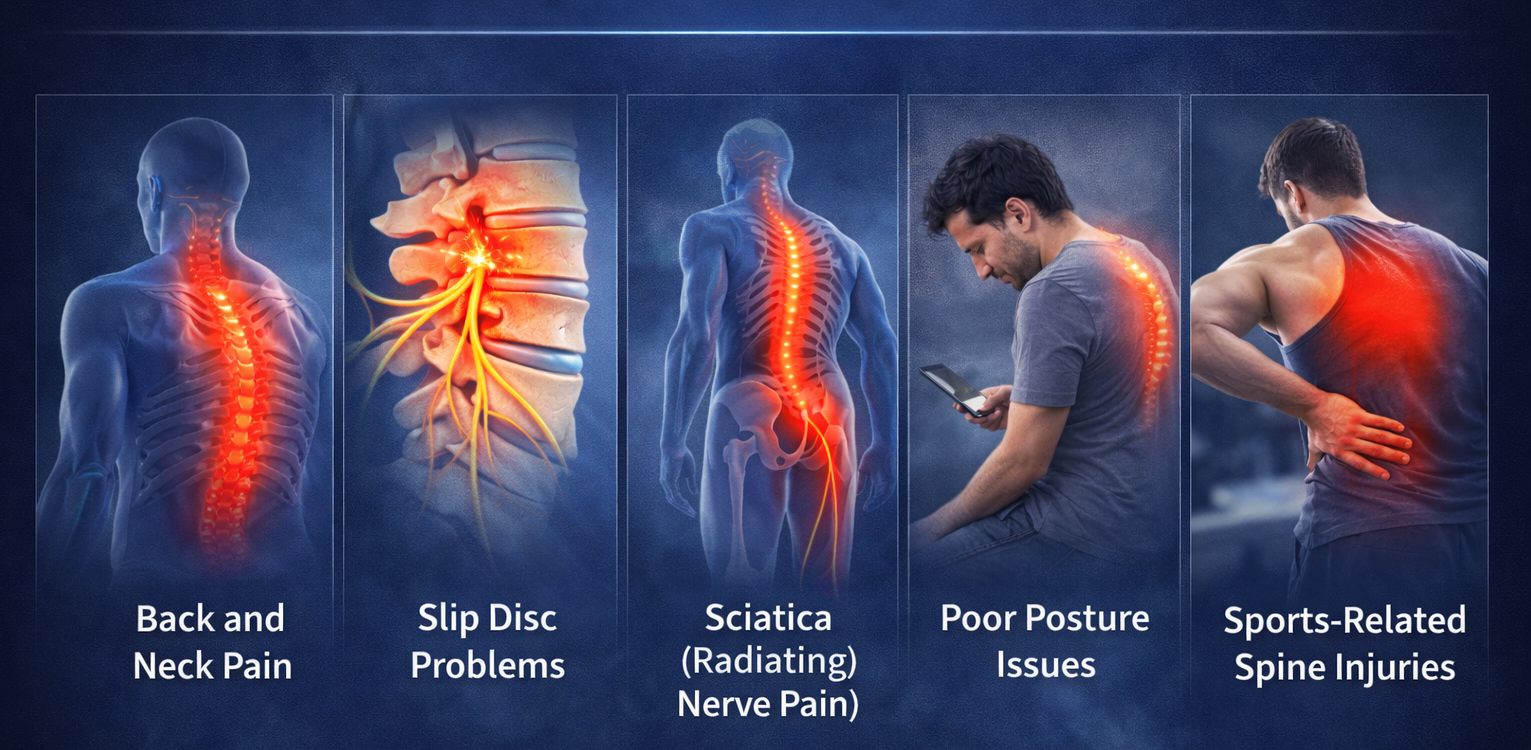
spine physiotherapist commonly treat

They commonly treat:

  • Back and neck pain
  • Slip disc problems
  • Sciatica (radiating nerve pain)
  • Poor posture issues
  • Sports-related spine injuries

Unlike general treatment, they don’t just give medicines and send you home. Instead, they look deeper—at how you move, sit, and live your daily life.

A spine specialist focuses on fixing the cause of pain, not just masking it.

Causes / Importance / Need

Ever wondered why back pain is so common today?

Common Causes of Spine Pain:

  • Sitting for long hours (office or work-from-home setups)
  • Poor posture—slouching without realizing
  • Sudden lifting or wrong movements
  • Sports injuries or gym strain
  • Age-related wear and tear
  • Lack of regular movement

Let’s take a simple example.
A 28-year-old IT professional in Malad spends 9–10 hours sitting daily. Over time, he starts feeling stiffness. He ignores it. Months later, he struggles to even sit comfortably.

That’s how it begins.

Why Early Treatment Matters:

  • Prevents pain from becoming chronic
  • Reduces chances of surgery
  • Helps you move freely again
  • Stops nerve-related complications

The earlier you act, the easier and faster your recovery will be.

How It Works

Walking into a back pain clinic malad might feel confusing at first. But the process is actually quite simple and reassuring.

Step 1: Detailed Assessment

Your posture, movement, and pain points are carefully checked.

Step 2: Diagnosis

The real cause is identified—is it muscle strain, disc issue, or nerve compression?

Step 3: Personalized Treatment Plan

No generic solutions here. You get a plan tailored to your body.

Step 4: Therapy Sessions

This may include:

  • Physiotherapy
  • Manual therapy
  • Strength exercises

Step 5: Recovery & Prevention

You’re guided on posture, daily habits, and exercises to avoid future pain.

Have you noticed how some people keep getting the same pain again and again?
That usually happens when only symptoms are treated—not the cause.

Treatment is customized, step-by-step, and focused on long-term relief.

Benefits

Choosing the right spine pain treatment mumbai can completely change how you feel day-to-day.

Here’s what most patients experience:

  •  Relief from pain without surgery
  •  Better posture (you actually feel lighter)
  •  Improved flexibility and movement
  •  Stronger muscles supporting your spine
  •  Lower risk of future injuries

Many patients at physiohub malad start noticing changes within a few sessions. Even simple activities—like walking or sitting—become easier again.

It’s not just about removing pain—it’s about getting your normal life back.

Comparison with Alternatives

Let’s be honest—most people try quick fixes first.

Here’s how different options compare:

Treatment Option Pros Cons
Physiotherapy (Recommended) Long-term relief, no side effects Needs consistency
Painkillers Instant relief Temporary, may cause side effects
Surgery Can fix structural issues Costly, longer recovery
Home remedies Easy to try Limited results in serious cases

So what’s better?

If you want a solution that lasts—not just a temporary fix—physiotherapy is usually the smarter choice.

Quick relief is tempting, but long-term recovery is what truly matters.

 Who Needs This?

when to visit physiotherapist in malad

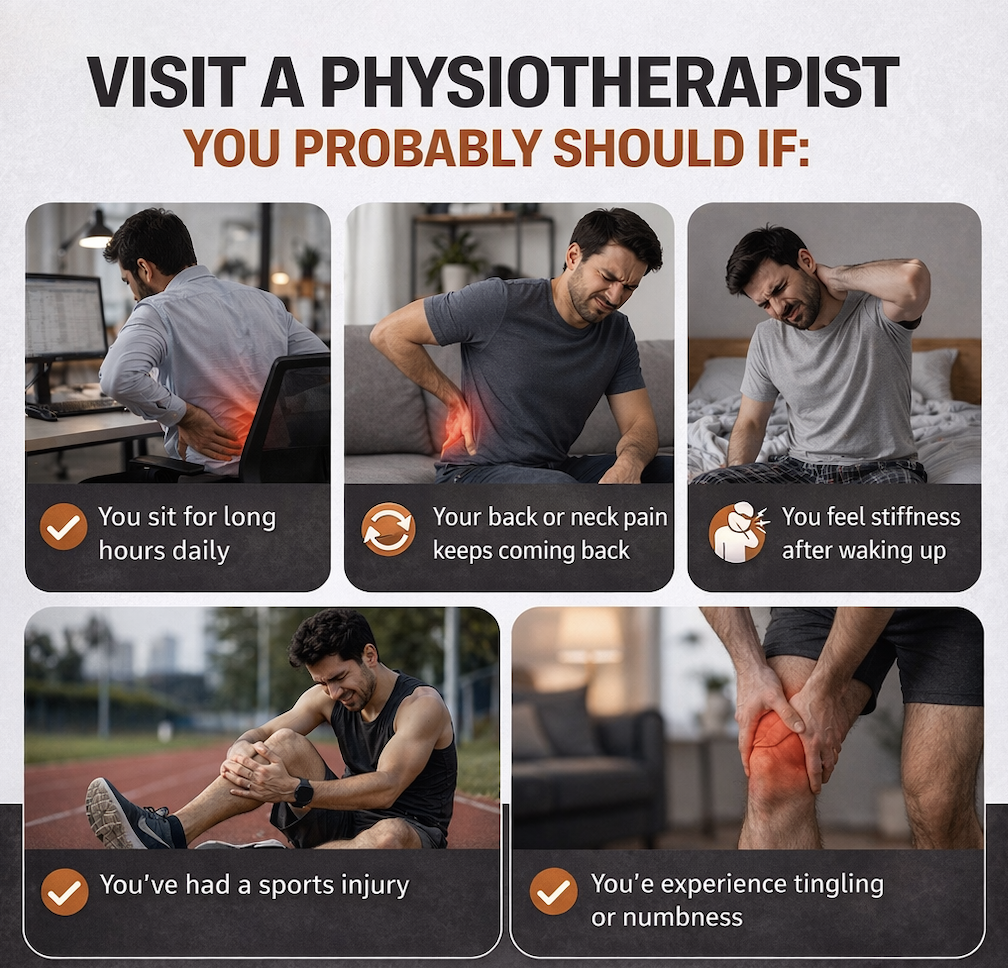
Still wondering if you should visit a physiotherapist in malad west?

You probably should if:

  • You sit for long hours daily
  • Your back or neck pain keeps coming back
  • You feel stiffness after waking up
  • You’ve had a sports injury
  • You experience tingling or numbness

Even young people today—especially gym-goers and athletes—are seeking sports injury rehab malad due to improper training or overuse.

Ask yourself—are you ignoring pain hoping it will disappear?

If pain is affecting your routine, it’s time to get expert help.

Industry Trends in 2026

Spine care is changing—and in a good way.

Here’s what’s shaping the future:

  •  AI-based posture and movement analysis
  •  Personalized rehab programs
  •  Increased focus on non-surgical treatments
  •  More awareness about preventive care
  •  Combining fitness with rehabilitation

In places like Malad, Mumbai, people are becoming more proactive. Instead of waiting for pain to worsen, they’re choosing early intervention.

And that shift is making a big difference.

Modern spine care focuses on prevention, personalization, and faster recovery.

Why Choose Physio Hub in Malad?

When it comes to finding a reliable spine specialist in malad, trust matters.

physiohub malad has become a preferred choice for many—and for good reason.

What Makes Physio Hub Stand Out?

  •  Experienced physiotherapists focused on spine care
  •  Advanced treatment techniques
  •  Personalized recovery plans
  •  Focus on treating root cause
  •  Strong expertise in sports injury rehab malad

Located in Malad West, it’s a trusted back pain clinic malad for people who want real, lasting results—not temporary fixes.

Physio Hub combines expertise, care, and modern techniques for effective recovery.

FAQs

1. How do I know if I need a spine specialist?

If your pain lasts more than a few days or interferes with daily activities, it’s time to consult a specialist.

2. Can physiotherapy cure spine problems?

Yes, many spine issues can be managed and improved with proper physiotherapy.

3. How long does recovery take?

It varies, but many people start feeling better within 5–10 sessions.

4. Is the treatment painful?

No, treatments are designed to reduce pain and improve comfort.

5. Which is the best clinic for spine care in Malad?

Clinics like Physio Hub Malad are known for effective, personalized spine treatment.

Don’t keep adjusting your life around pain.

If sitting, walking, or even resting has become uncomfortable, it’s time to do something about it.

Visit Physio Hub Malad a trusted name for expert spine pain treatment mumbai.

 Book your consultation today
 DM or call now
 Start your journey toward a pain-free life

Because your spine supports everything you do—take care of it before the pain takes control.

Recovering from a brain injury can feel overwhelming. One day everything seems normal, and the next, even simple things—like walking across the room or remembering a name—start to feel difficult. It’s not just physical; it affects emotions, confidence, and daily life.

If you or someone close to you is going through this, you might be wondering… Will things ever get back to normal? And more importantly, what can actually help?

This is where the right support makes all the difference. At a trusted neuro rehab centre in Malad, physiotherapy isn’t just about exercises—it’s about helping people slowly rebuild their independence. Step by step. Day by day.

Whether it’s after a stroke, an accident, or a concussion, structured care can guide the brain and body to work together again. And in a place like Malad, Mumbai, having access to the right rehabilitation centre can truly change the recovery journey.

A neuro rehab centre in Malad uses specialized physiotherapy techniques to help patients recover from brain injuries by improving movement, balance, coordination, and cognitive function. Through structured neuro rehab therapy, patients can regain independence and enhance their overall neurological recovery after conditions like stroke, trauma, or concussion.

What is Neuro Rehab Therapy?

So, what exactly is neuro rehab therapy?

In simple terms, it’s a structured way to help the brain and body reconnect after an injury. When the brain is affected, it sometimes “forgets” how to control movement or coordination. Neuro rehab helps retrain those lost connections.

At a neuro rehab centre in Malad, therapy usually includes:

  • Exercises to improve movement
  • Balance and coordination training
  • Activities that support memory and focus
  • Practice for everyday tasks like walking or eating

The fascinating part? The brain has something called neuroplasticity. That means it can adapt and form new pathways—even after injury.

Think of it like teaching the brain a new route when the old one is blocked.

  • Neuro rehab therapy helps retrain the brain
  • Focus on movement, balance, and daily skills
  • Uses the brain’s ability to adapt and recover

Causes

Brain injuries don’t always come with a warning. Sometimes, they happen suddenly and change life overnight.

Common Causes of Brain Injury

  • Stroke
  • Road accidents or falls
  • Brain tumors
  • Infections affecting the brain
  • Sports injuries and concussions

Why Neuro Rehab is Important

Without proper rehabilitation, recovery can remain incomplete. That’s why therapy matters.

  • Helps regain lost movement
  • Improves independence
  • Reduces long-term complications
  • Enhances overall quality of life

Why Early Intervention Matters

Here’s something many people don’t realize time matters a lot.

  • Early therapy improves recovery speed
  • The brain responds better in early stages
  • Reduces dependency on others

For example, a patient in Malad, Mumbai who starts therapy within weeks of a stroke often regains mobility faster than someone who delays it.

  • Brain injuries require structured care
  • Early therapy gives better results
  • Delay can slow down recovery

How Does Physiotherapy Help Brain Injury Recovery? (Step-by-Step)

Recovery isn’t random. It follows a clear, guided process.

Step 1: Assessment

Everything starts with understanding the patient.

  • Strength and movement check
  • Balance and coordination analysis
  • Neurological evaluation

Step 2: Personalized Treatment Plan

No two patients are the same.

  • Customized exercises
  • Clear recovery goals
  • Focus on specific challenges

Step 3: Movement Training

This is where progress begins.

  • Relearning basic movements
  • Muscle activation
  • Improving control

Step 4: Balance & Gait Therapy

Walking again can feel like learning from scratch.

  • Guided walking exercises
  • Fall prevention
  • Stability improvement

Step 5: Functional Training

Because real life matters most.

  • Daily tasks like dressing or eating
  • Practical independence skills

Step 6: Continuous Monitoring

Recovery evolves over time.

  • Progress tracking
  • Therapy adjustments

Imagine someone who couldn’t stand after a stroke. With consistent physiotherapy for brain injury, they slowly move from sitting… to standing… to walking again. It’s not instant—but it’s possible.

  • Step-by-step structured recovery
  • Focus on real-life activities
  • Continuous improvement over time

Benefits of Neuro Rehab Therapy

The benefits go beyond just physical healing.

Key Benefits

  • Improves strength and mobility
  • Enhances balance and coordination
  • Builds confidence
  • Reduces pain and stiffness
  • Prevents complications
  • Supports emotional well-being

Patients undergoing brain injury physiotherapy mumbai often notice small improvements first—like better grip strength or improved balance. Over time, these small wins turn into big milestones.

  • Better movement and independence
  • Gradual but steady progress
  • Improved overall lifestyle

Neuro Rehab vs Other Treatment Options

Treatment Type Focus Limitation Best For
Medication Controls symptoms Doesn’t restore movement Immediate relief
Surgery Fixes structural issues Not always needed Severe cases
Neuro Rehab Therapy Restores function Needs time and effort Long-term recovery
Rest Alone Natural healing Slow and incomplete Mild injuries

While medication and surgery play their role, only neuro rehab therapy actively helps patients regain lost abilities.

  • Medicines manage symptoms
  • Rehab rebuilds function
  • Best results come from combined care

Who Needs a Neuro Rehab Centre in Malad?

You might wonder—is neuro rehab really needed in your case?

If you’re experiencing any of the following, it’s worth considering:

  • Difficulty walking or balancing
  • Weakness in arms or legs
  • Trouble speaking or remembering
  • Coordination issues
  • Recovery after stroke or injury

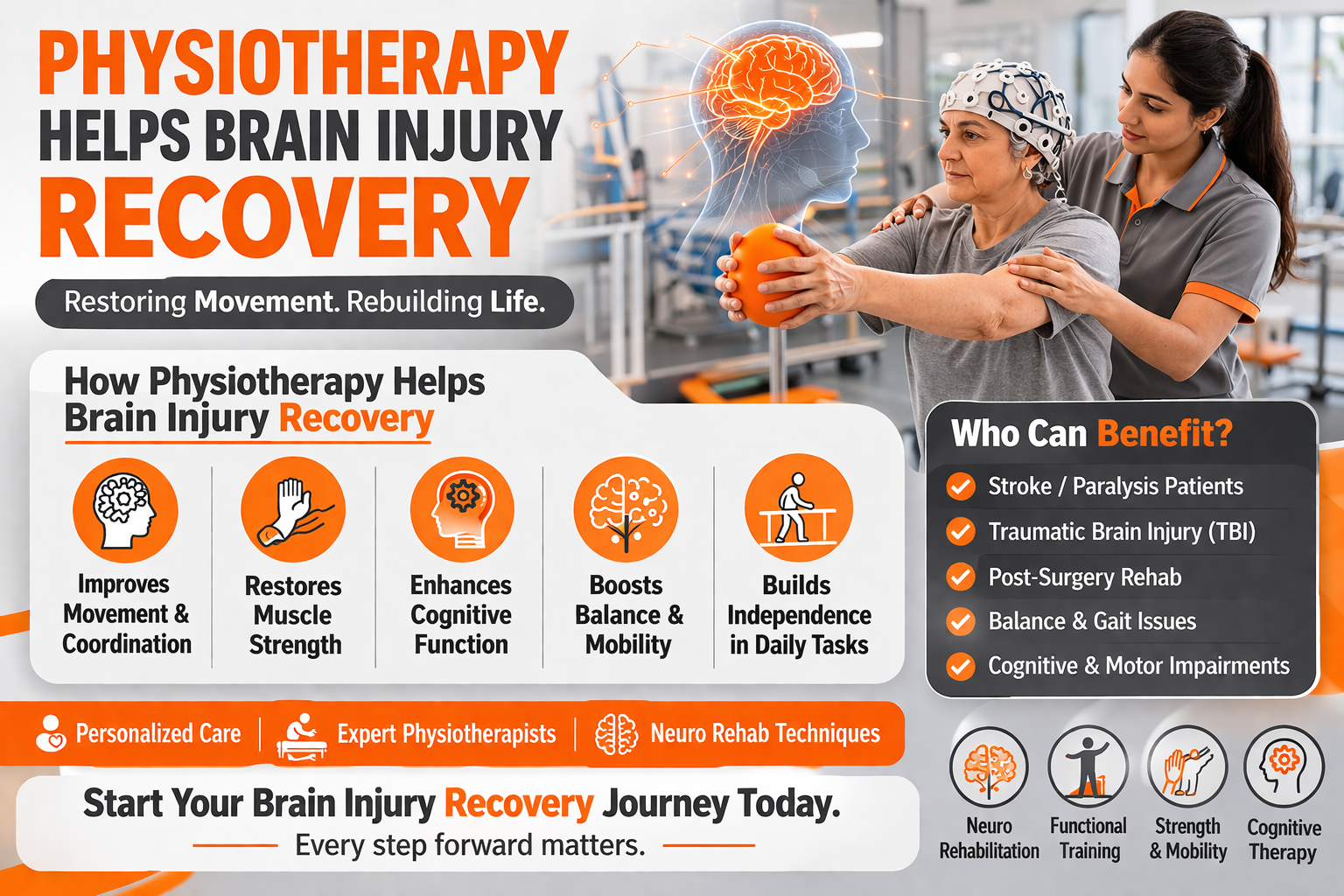
Physiotherapy for brain injury recovery

It’s especially helpful for:

  • Stroke survivors
  • Brain injury patients
  • Elderly individuals
  • Athletes recovering from head injuries

Specialized concussion therapy can also help people safely return to normal routines without long-term effects.

  • Suitable for various neurological conditions
  • Helps all age groups
  • Early support improves outcomes

Industry Trends in Neuro Rehab (2026)

Neuro rehabilitation is evolving—and quickly.

Key Trends

  • AI-based therapy programs
  • Virtual reality for movement training
  • Robotics-assisted rehabilitation
  • Real-time progress tracking
  • Home-based therapy options

Some advanced centres in Malad, Mumbai are already adopting these innovations to improve patient outcomes.

Imagine practicing walking in a virtual environment or tracking recovery through smart systems. That’s where rehab is heading.

  • Technology is transforming rehab
  • More personalized treatments
  • Faster and more accurate recovery tracking

Why Choose Physio Hub in Malad, Mumbai?

When it comes to recovery, the right environment matters just as much as the treatment.

At Physio Hub, the focus is simple—help patients feel supported, understood, and guided at every step.

What Makes Physio Hub Stand Out?

  • Experienced neuro physiotherapists
  • Customized treatment plans
  • Advanced therapy techniques
  • Patient-first approach
  • Convenient Malad West location

Whether you need neuro rehab therapy or expert physiotherapy for brain injury, the team ensures that your recovery journey is structured and compassionate.

Because recovery isn’t just about movement—it’s about getting your life back.

  • Expert care with personal attention
  • Modern techniques
  • Focus on complete recovery

FAQs

1. How long does brain injury recovery take?

It varies. Some recover in weeks, others take months. Consistent therapy plays a key role in speeding up recovery.

2. Is physiotherapy necessary after a brain injury?

Yes, it is essential. It helps restore strength, balance, and independence.

3. Can a person fully recover from a brain injury?

Many patients achieve significant improvement with early and consistent neuro rehab therapy.

4. What is the best treatment for concussion?

A combination of rest and guided concussion therapy ensures safe recovery.

5. Where can I find a good neuro rehab centre in Malad?

Physio Hub is a trusted neuro rehab centre in Malad, offering structured and personalized rehabilitation programs.

A stroke doesn’t just affect the body — it affects confidence, independence, and everyday life.

One moment, everything feels normal. The next, even simple things like standing up, speaking clearly, or using your hand become a challenge. For families, it can be overwhelming. Questions start piling up — Where should we go? Will recovery really happen? Are we doing the right thing?

The truth is, recovery is possible. But it depends on when you start and where you go.

Choosing the right neuro rehab centre in Malad can completely change the recovery journey. The right care doesn’t just focus on exercises — it focuses on rebuilding movement, confidence, and routine.

In a fast-paced area like Malad, Mumbai, having access to a specialized centre like Physio Hub means getting structured, expert-led recovery without delay.

Because after a stroke, every day matters.

Physio Hub’s neuro rehab centre in Malad offers specialized stroke rehabilitation through personalized neuro physiotherapy, advanced recovery techniques, and structured therapy plans. With expert care, patients improve mobility, regain independence, and achieve faster recovery in a supportive rehabilitation environment in Malad, Mumbai.

What is Stroke Rehabilitation?

Stroke rehabilitation is a guided recovery process that helps patients regain lost abilities after a stroke.

It’s not just about movement — it’s about retraining the brain and body to work together again.

For example, a patient who once walked confidently may need to relearn balance step by step. Someone who could easily hold a spoon may need to rebuild hand coordination. This is where neuro physiotherapy treatment plays a key role.

Key Components:

  • Neuro physiotherapy treatment
  • Balance and coordination training
  • Muscle strengthening exercises
  • Speech and cognitive therapy (if required)
  • Functional independence training

Unlike regular therapy, neuro rehab Mumbai focuses on how the brain recovers and adapts — not just muscles.

Stroke rehabilitation helps patients rebuild movement, coordination, and independence by retraining the brain and body together.

Why is Stroke Rehabilitation Important?

You might wonder — “Can’t recovery happen on its own?”

In some cases, partial recovery does happen. But without structured rehab, progress is often slow and incomplete.

Key Reasons:

  •  Prevents long-term disability
  •  Improves walking and mobility
  •  Restores muscle strength
  •  Enhances speech and coordination
  •  Reduces risk of complications (like stiffness and falls)

Many patients who delay therapy struggle later with stiffness or loss of function. On the other hand, those who start early often see noticeable improvement within weeks.

In fact, studies suggest that early rehabilitation can improve recovery outcomes by up to 60%.

Starting rehab early helps patients recover faster, avoid complications, and regain independence more effectively.

How Does Stroke Rehabilitation Work?

Recovery doesn’t happen randomly. It follows a structured path.

And every patient’s journey looks slightly different.

  1. Initial Assessment
    The therapist evaluates strength, movement, and neurological function.
    It’s like creating a roadmap before starting a journey.
  2. Customized Therapy Plan
    No two strokes are the same — so treatment is always personalized.
  3. Neuro Physiotherapy Sessions
    Targeted exercises help rebuild brain-muscle coordination.
  4. Functional Training
    Patients practice real-life activities — walking, sitting, standing.
  5. Progress Monitoring
    Regular tracking ensures the therapy evolves with improvement.
  6. Home Exercise Program
    Recovery continues beyond the clinic with guided exercises.

At a dedicated rehabilitation centre for stroke, every step is intentional. Nothing is random.

Stroke rehab follows a clear, personalized process—from assessment to recovery—with continuous monitoring and support.

What Are the Benefits of Neuro Rehab?

The changes may start small.

A slight improvement in grip. A steadier step. A clearer word.

But over time, these small wins build into major recovery milestones.

Benefits:

  •  Faster recovery of movement
  •  Improved balance and coordination
  •  Reduced muscle stiffness and pain
  •  Better independence in daily activities
  •  Enhanced quality of life
  •  Emotional and psychological support

For example, many patients undergoing stroke physiotherapy in Malad regain the ability to walk independently or perform daily tasks again — something that once felt impossible.

And that’s where real confidence returns.

Neuro rehab supports both physical recovery and emotional confidence, helping patients return to daily life.

Neuro Rehab vs General Physiotherapy

Not all physiotherapy is the same.

Choosing the wrong approach can slow down recovery.

Feature Neuro Rehab General Physiotherapy
Focus Brain & nervous system recovery Musculoskeletal issues
Approach Neuro-based retraining Muscle-based treatment
Customization Highly personalized Standard protocols
Recovery Speed Faster for stroke patients Limited for neuro cases
Techniques Advanced neuro techniques Basic exercises

If the issue is neurological, only a specialized approach like paralysis rehab in Malad West can deliver the right results.

Neuro rehab is designed specifically for stroke and paralysis recovery, unlike general physiotherapy.

Who Needs Stroke Rehabilitation?

Not every patient experiences stroke the same way.

But most need structured support to recover fully.

Ideal Candidates:

  • Stroke survivors (ischemic or hemorrhagic)
  • Paralysis patients
  • Patients with weakness on one side of the body
  • Individuals with balance or coordination issues
  • Patients facing speech or motor difficulties

If you’ve been searching for a neuro rehab centre in Malad, chances are you’re already taking the first right step.

And that step matters more than you think.

Anyone recovering from stroke or paralysis can benefit from personalized neuro rehabilitation.

What Affects the Cost of Stroke Rehabilitation?

Cost is often a concern — and understandably so.

But it’s important to look at value, not just price.

Key Pricing Factors:

  • Severity of the stroke
  • Duration of therapy sessions
  • Type of treatment required
  • Frequency of sessions
  • Use of advanced rehabilitation equipment

In Malad, Mumbai, specialized rehab centres may seem like a bigger investment initially. But they often lead to faster recovery, fewer complications, and better long-term outcomes.

The cost depends on therapy intensity and duration, but quality rehabilitation offers better long-term results.

Stroke Rehabilitation Trends in 2026

Recovery methods are evolving quickly.

What worked a decade ago is no longer enough.

Latest Trends:

  •  AI-assisted neuro rehabilitation
  •  Personalized recovery programs
  •  Brain stimulation therapies
  •  Hybrid rehab (clinic + home care)
  •  Data-driven progress tracking

Today, neuro physiotherapy treatment is more precise, more personalized, and far more effective than before.

And that’s great news for patients and families.

Modern rehab in 2026 focuses on technology, personalization, and faster recovery outcomes.

Why Choose Physio Hub’s Neuro Rehab Centre in Malad?

So, what makes one rehab centre better than another?

It comes down to expertise, approach, and consistency.

What Makes Physio Hub Different?

  •  Specialized Neuro Expertise
    Focused care for stroke and paralysis recovery
  • Convenient Location in Malad, Mumbai
    Easy access means consistency in therapy
  • Personalized Treatment Plans
    Every recovery journey is unique
  • Advanced Therapy Techniques
    Evidence-based neuro physiotherapy methods
  • Experienced Therapists
    Skilled professionals who understand neuro recovery
  • Continuous Progress Tracking
    Clear improvement at every stage
  • Patient-Centric Approach
    Support that goes beyond just physical therapy

Whether you’re looking for neuro rehab Mumbai, stroke physiotherapy malad, or a trusted rehabilitation centre for stroke, Physio Hub provides structured, reliable care in Malad, Mumbai.

Physio Hub offers expert-led, personalized stroke rehabilitation designed for faster and more effective recovery.

FAQs – Stroke Rehabilitation

1. How soon should stroke rehabilitation start?

Rehabilitation should begin as early as possible — ideally within 24–48 hours after medical stabilization.

2. How long does stroke recovery take?

It varies. Some patients recover in a few months, while others may take longer depending on severity.

3. Can paralysis improve with physiotherapy?

Yes. With consistent neuro physiotherapy treatment, many patients regain strength and movement.

4. Is home therapy enough for stroke recovery?

Home exercises help, but supervised sessions at a rehab centre ensure faster and safer recovery.

5. How do I choose the right rehab centre?

Look for specialized neuro rehab expertise, personalized plans, and experienced therapists.

Recovery may feel slow at first. But with the right support, progress becomes visible — step by step.

If you or your loved one is searching for a reliable neuro rehab centre in Malad, Physio Hub is here to guide you.

 Visit Physio Hub – Neuro Rehab Centre in Malad, Mumbai
 Book your assessment today
 Take the first step toward recovery and independence

Because even small progress today can lead to a stronger tomorrow.