
Plot No. 5, Evershine Nagar, Next To Landmark, Link Road, Malad West
Blog Category

Sciatica can make everyday life surprisingly difficult. A short walk feels uncomfortable, sitting through a workday becomes tiring, and even getting out of bed may trigger pain that travels from the lower back into the hip or leg. This is where consulting a Physiotherapist in Malad, Mumbai can be useful. Physiotherapy focuses on understanding how your spine, hips, muscles, nerves and daily movement patterns are working together.

For some people, the discomfort is mild and occasional. For others, it may feel sharp, burning or electric, with tingling, numbness or weakness in the leg. When symptoms keep returning, simply resting or applying temporary pain relief may not address the movement problem behind them.

At PhysioHub in Malad, Mumbai, physiotherapy for sciatica begins with an individual assessment rather than a one-size-fits-all exercise routine. The goal is to understand your symptoms, improve comfortable movement, gradually rebuild strength and help you return to everyday activities with greater confidence.

With the right assessment and rehabilitation plan, many people can learn how to manage their symptoms more effectively and reduce unnecessary fear around movement.

 How Can Physiotherapy Help With Sciatica?

A physiotherapist can help manage sciatica by assessing spinal movement, muscle strength, nerve sensitivity, posture and daily activities. Treatment may include personalised exercises, mobility work, strengthening, nerve mobility exercises, manual therapy and activity guidance. The exact programme depends on the cause, severity and individual symptoms.

What Is Sciatica?

Sciatica describes symptoms caused when the sciatic nerve or the nerve roots that form it become irritated or compressed.

The sciatic nerve runs from the lower back through the buttock and down the leg. When it becomes irritated, symptoms commonly affect one side of the body.

A person may experience:

  • Sharp or burning pain travelling down the leg
  • Pain starting around the lower back or buttock
  • Tingling or pins and needles
  • Numbness
  • Leg or foot weakness
  • Discomfort that becomes worse with certain movements
  • Difficulty sitting, walking or standing for long periods

The NHS notes that sciatica commonly affects the buttock and back of one leg and may include pain, tingling, numbness or weakness.

It is also worth remembering that not every episode of lower back pain is sciatica. This is one reason a proper assessment matters.

What Causes Sciatica and Why Does It Need Attention?

Sciatica is a symptom rather than a single disease. Different problems can irritate or place pressure on the nerve.

Common causes may include:

  • Disc-related problems: A spinal disc may irritate or compress a nearby nerve root.
  • Spinal stenosis: Narrowing around the spaces where spinal nerves travel can contribute to symptoms.
  • Spondylolisthesis: One vertebra moving forward relative to another may sometimes affect nearby nerves.
  • Back injuries: Certain injuries may irritate structures around the sciatic nerve.
  • Reduced movement or deconditioning: Long periods of inactivity can sometimes make returning to normal movement more difficult.

Sciatica should also be assessed because leg pain can have different causes. A physiotherapist needs to determine whether the symptoms appear related to the spine, nerve irritation, hip movement, muscles or another condition.

According to the World Health Organization, low back pain affected around 619 million people worldwide in 2020 and remains the leading cause of disability globally. Rehabilitation plays an important role in helping people remain active and return to meaningful daily activities.

How Does Physiotherapy for Sciatica Work? Step by Step

 Physiotheraphy in malad , mumbai | Physiohub|

At PhysioHub, Physiotherapy in Malad, Mumbai begins with a detailed assessment of your symptoms, spinal movement, hip mobility, muscle strength and nerve sensitivity.

Step 1: Detailed Discussion

Your physiotherapist may ask:

  • Where does the pain begin?
  • How far does it travel down the leg?
  • Do you experience numbness or tingling?
  • Which movements make symptoms better or worse?
  • Does sitting affect the pain?
  • Is your work physically demanding or desk-based?
  • Have you experienced similar symptoms before?

These small details can help identify patterns.

Step 2: Movement Assessment

The physiotherapist may then assess:

  • Lower-back movement
  • Hip mobility
  • Muscle strength
  • Leg movement
  • Balance
  • Walking pattern
  • Functional movements such as bending or standing
  • Nerve sensitivity where appropriate

Imaging is not automatically required for every person with back pain or sciatica. NICE guidance recommends that imaging should not routinely be offered in non-specialist settings unless the result is likely to change management.

Step 3: Symptom-Appropriate Movement

Early treatment may focus on movements that feel comfortable and help the patient gradually return to normal activity.

The aim is usually not complete bed rest.

NICE recommends advice on self-management and encourages people with low back pain with or without sciatica to continue normal activities where appropriate.

Step 4: Mobility and Strengthening

As symptoms allow, rehabilitation may include exercises for:

  • Core strength
  • Hip muscles
  • Lower-back control
  • Leg strength
  • Flexibility
  • Balance
  • Functional movement

The exercises should progress according to the patient’s response rather than following the same routine for everyone.

Step 5: Nerve Mobility Exercises

Some patients may benefit from carefully selected nerve mobility exercises.

These movements are designed to help the nervous system tolerate movement more comfortably. They should be prescribed after assessment because aggressive stretching is not appropriate for every case.

Step 6: Manual Therapy When Appropriate

Manual therapy may sometimes be used alongside exercise.

NICE recommends considering mobilisation, manipulation or soft-tissue techniques for low back pain with or without sciatica as part of a treatment package that includes exercise, rather than as a stand-alone solution.

What Are the Benefits of Physiotherapy for Sciatica?

Depending on the individual and the cause of symptoms, physiotherapy may help with:

  • Improving spinal and hip mobility
  • Building core and leg strength
  • Improving confidence during movement
  • Reducing stiffness
  • Improving walking tolerance
  • Improving sitting and standing strategies
  • Supporting a gradual return to work
  • Teaching safer lifting and movement techniques
  • Developing an exercise programme for long-term management
  • Helping patients understand which activities they can safely continue

One of the most valuable parts of physiotherapy is education.

When someone has experienced sharp pain down the leg, they may naturally become afraid to bend, walk or exercise. A gradual rehabilitation programme can help them understand which movements are safe and how to progress without rushing. Sciatica rehabilitation is not only about reducing pain. A good programme looks at movement, strength, nerve sensitivity, posture, daily habits and the activities you want to return to. Treatment should be personalised and adjusted according to how your symptoms respond.

Physiotherapy vs Chiropractic vs Osteopathy for Sciatica

Patients often wonder whether they should choose physiotherapy, chiropractic care or osteopathy.

Approach Main Focus May Include
Physiotherapy Movement, strength and functional recovery Exercise therapy, mobility work, manual therapy, education and activity progression
Chiropractic Care Joint and musculoskeletal function Selected manual techniques, mobility work and movement advice
Osteopathy Musculoskeletal movement and body mechanics Manual techniques, mobility-based approaches and movement assessment
Self-treatment alone Temporary symptom management Rest, activity modification or general exercises without personalised assessment

There is no universal answer for every patient.

Someone searching for a Chiropractor in Malad ,Mumbai or osteopathy in Malad Mumbai may benefit from first understanding what is actually causing or contributing to their symptoms.

At PhysioHub, different rehabilitation approaches can be considered according to the assessment rather than automatically choosing one technique.

Who Should Visit a Physiotherapist for Sciatica?

You may consider seeing a physiotherapist if:

  • Pain travels from your back or buttock into your leg
  • Sitting for long periods repeatedly triggers symptoms
  • You experience recurring episodes of sciatica
  • Your movement feels restricted
  • You have returned to work but symptoms keep interfering
  • Walking or standing tolerance has reduced
  • You feel uncertain about which exercises are safe
  • Symptoms are improving but you want structured rehabilitation

People involved in sport may also require a more performance-focused approach.

A Sports Physiotherapist in Mumbai may assess not only the painful area but also strength, movement control and the physical demands of returning to sport.

PhysioHub also provides sports rehabilitation services, including ACL rehab in Malad Mumbai, for individuals recovering from knee injuries who need structured return-to-activity training.

When Is Sciatica an Emergency?

Some symptoms require urgent medical attention rather than routine physiotherapy.

Seek urgent medical care if sciatica occurs with symptoms such as:

  • Severe or worsening weakness in both legs
  • Numbness around the genital or saddle region
  • New difficulty controlling urination
  • New loss of bowel control
  • Severe symptoms affecting both sides

These may indicate a serious spinal problem that needs immediate assessment.

How Much Does Physiotherapy for Sciatica Cost in Malad?

There is no single price for sciatica rehabilitation because treatment needs vary.

Pricing may depend on:

  • Initial assessment requirements
  • Complexity of the condition
  • Duration of each session
  • Number of sessions required
  • Whether manual therapy is included
  • Whether specialised rehabilitation is required
  • Individual recovery goals

Some people may need only guidance and a short rehabilitation programme, while others with persistent symptoms may require longer-term care.

Rather than choosing treatment based only on the lowest session price, consider whether the programme includes proper assessment, progression and follow-up.

What Are the Physiotherapy Trends for Sciatica in 2026?

Physiotherapy in 2026 is becoming increasingly focused on active, personalised and function-based rehabilitation.

Instead of relying only on passive treatments, rehabilitation programmes increasingly emphasise:

  • Individual exercise prescription
  • Strength and movement training
  • Patient education
  • Return-to-work planning
  • Sports-specific rehabilitation
  • Goal-based progress tracking
  • Combining manual therapy with active exercise when appropriate
  • Encouraging safe activity rather than prolonged rest

This approach is consistent with modern clinical guidance that places exercise, self-management and continued activity at the centre of rehabilitation for many people with low back pain and sciatica.

For people with more complex neurological movement problems, access to a Neuro rehab centre in Malad may also provide specialised assessment.

Neuro physiotherapy in Malad can be relevant when weakness, balance difficulties, walking problems or neurological conditions require a dedicated rehabilitation approach beyond routine musculoskeletal physiotherapy.

Why Choose PhysioHub in Malad, Mumbai?

At PhysioHub, rehabilitation starts with understanding the person behind the symptoms.

Dr. Pooja Mehta and the PhysioHub team focus on assessing movement, strength, mobility and functional limitations before planning treatment.

Depending on individual needs, services may include:

  • Physiotherapy in Malad
  • Sports physiotherapy and rehabilitation
  • Neuro rehabilitation
  • Chiropractic techniques where appropriate
  • Osteopathy in Malad
  • Post-surgical rehabilitation
  • ACL rehab in Malad
  • Strength and mobility programmes
  • Gait and movement rehabilitation

For someone looking for a physiotherapist in Mumbai, choosing a clinic close to home can also make consistent rehabilitation easier.

PhysioHub is located in Malad West, Mumbai, making it convenient for people looking for structured physiotherapy, sports rehabilitation or neurological rehabilitation in the area.

Frequently Asked Questions About Sciatica Physiotherapy

1. Can a physiotherapist help with sciatica?

Yes. A physiotherapist can assess movement, strength, nerve-related symptoms and daily activities before creating a personalised rehabilitation plan. Treatment may involve exercises, mobility work, education and manual therapy where appropriate.

2. What exercises are best for sciatica?

There is no single best exercise for everyone. The right exercise depends on the cause, symptom pattern, mobility and strength of the individual. Exercises should ideally be selected after an assessment.

3. Should I rest if I have sciatica?

Prolonged bed rest is generally not the preferred approach for most uncomplicated cases. Staying appropriately active and gradually returning to normal activities is commonly recommended, depending on symptoms and medical advice.

4. How long does sciatica take to improve with physiotherapy?

Recovery time varies. Some episodes improve within weeks, while persistent or complex cases can take longer. The cause of symptoms, severity, general health and consistency with rehabilitation can all affect recovery.

5. When should I visit a physiotherapist in Malad for sciatica?

Consider an assessment when pain repeatedly travels into the leg, affects walking or sitting, keeps returning or limits normal activities. Early assessment can help you understand your symptoms and determine an appropriate rehabilitation plan.

Take the Next Step Towards Comfortable Movement

Living with recurring leg and lower-back pain can affect work, sleep, exercise and even simple daily routines. You do not have to guess which stretches or online exercises are right for you.

If you are looking for a physiotherapist in Malad, Mumbai, PhysioHub can assess your symptoms and create a rehabilitation plan based on your movement, strength and individual goals.

Book an assessment with Dr. Pooja Mehta at PhysioHub Sports & Neuro Rehab Centre, Malad West, Mumbai, and take the first step towards moving with greater comfort and confidence.

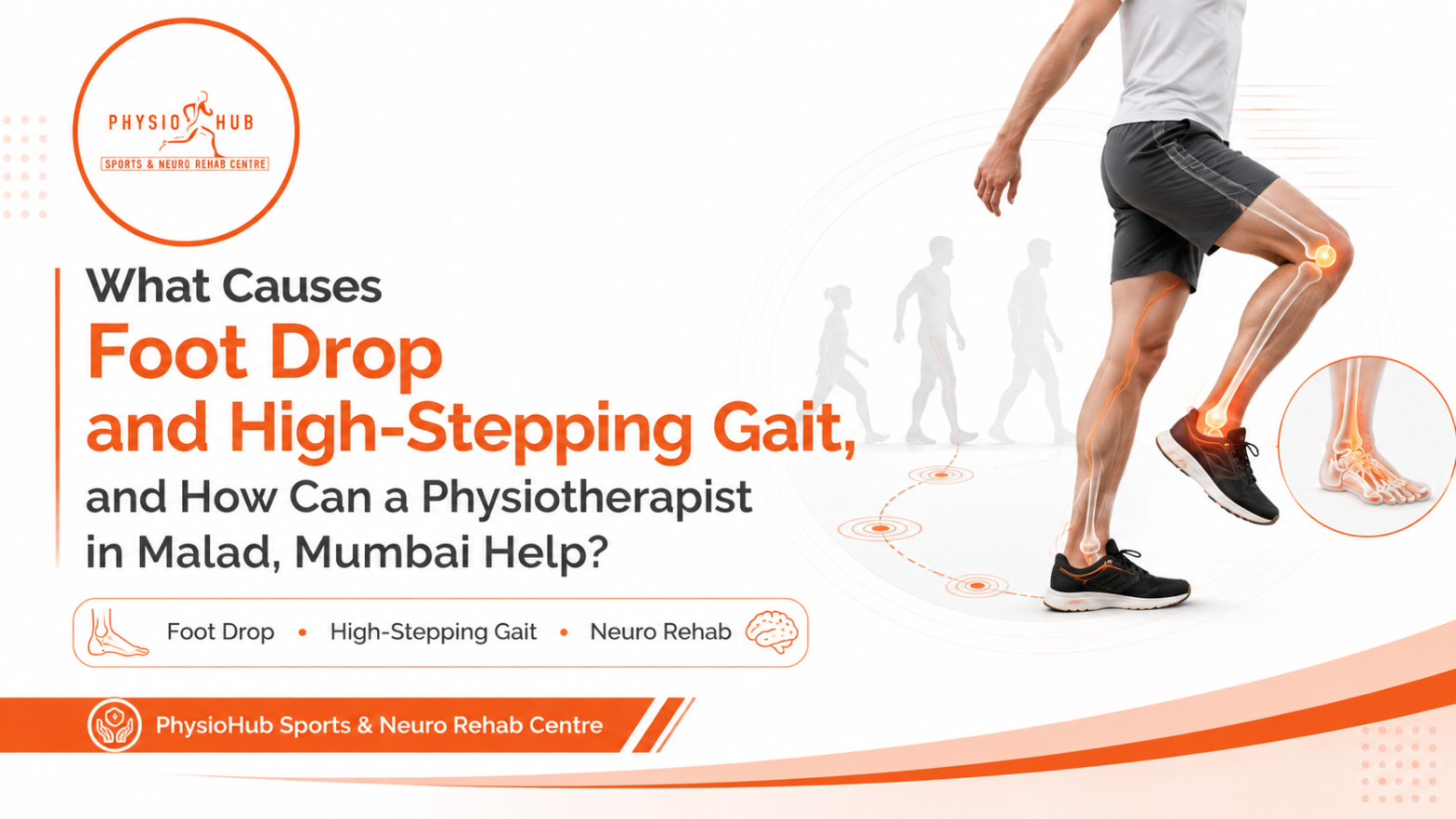
Have you noticed your toes catching the floor while walking? Maybe one foot feels difficult to lift, or you find yourself raising your knee unusually high just to take a normal step.A qualified physiotherapist in Malad, Mumbai can assess walking mechanics, strength, balance and mobility and, when appropriate, work alongside medical specialists to build a personalised rehabilitation programme.

These changes can sometimes point to foot drop, a movement problem in which lifting the front of the foot becomes difficult. To compensate, a person may lift the hip and knee higher while walking. This is often called a high-stepping or steppage gait.

It can feel frustrating—and even frightening—when something as automatic as walking suddenly requires concentration. Some people begin avoiding stairs, outdoor walks or crowded areas because they are worried about tripping.

Foot drop is not a disease by itself. It can develop because of nerve injury, muscle weakness, spinal problems or neurological conditions. That is why assessment matters.

Can Physiotherapy Help Foot Drop and High-Stepping Gait?

Physiotherapy can help some people with foot drop by improving muscle strength, ankle mobility, balance and walking control. Treatment may include gait retraining, strengthening, stretching, balance exercises, orthotic support and, in selected neurological cases, electrical stimulation. The right treatment depends on what is causing the foot drop.

What Is Foot Drop and High-Stepping Gait?

Foot drop means that a person has difficulty lifting the front of the foot upward during walking. As the leg swings forward, the toes may drag or catch the floor.

To prevent this, the body often creates a compensation: the person bends the hip and knee more than usual to lift the foot higher. This altered walking style is called steppage gait or high-stepping gait

You may also notice:

  • Toes dragging while walking
  • One foot making a slapping sound
  • Difficulty clearing the floor
  • Frequent stumbling
  • Increased knee lifting
  • Weakness around the ankle
  • Numbness over the foot in some cases
  • Reduced confidence when walking

Foot drop can affect one foot or both feet depending on its cause. Because several different nerves, muscles and neurological pathways can be involved, simply strengthening the ankle without understanding the cause may not be enough.

What Causes Foot Drop and Why Should You Get It Assessed?

Foot drop can develop for several reasons. Some are related to the peripheral nerves, while others involve the brain, spinal cord or muscles.

Common causes include:

  • Peroneal or fibular nerve injury: The nerve responsible for helping control muscles that lift the foot can become compressed or injured.
  • Lumbar nerve problems: Irritation or compression involving the L4 or L5 nerve roots may contribute to weakness affecting the foot.
  • Stroke: Weakness and poor motor control after stroke may lead to toe dragging or foot drop.
  • Multiple sclerosis: Changes in nervous-system control can affect the muscles required for safe foot clearance.
  • Spinal cord injury: Damage affecting signals travelling from the brain to the leg may change walking mechanics.
  • Peripheral neuropathy: Nerve damage can affect strength, sensation and balance.
  • Neuromuscular disorders: Certain conditions affecting muscles or nerves may result in progressive weakness.
  • Trauma or surgery: Injury around the knee, leg or nerve pathway may sometimes affect ankle control.

The National Institute of Neurological Disorders and Stroke notes that treatment should be based on the specific cause of foot drop.

New or worsening foot drop should therefore be medically assessed rather than treated as simple muscle tightness.

How Does Physiotherapy for Foot Drop Work Step by Step?

Physiotherapy in malad | Physiohub

A good rehabilitation programme begins with understanding why the walking pattern has changed.

Step 1: Detailed movement assessment

A physiotherapist observes how you stand and walk.

They may look at:

  • Toe clearance
  • Ankle movement
  • Knee control
  • Hip movement
  • Step length
  • Balance
  • Walking speed
  • Muscle strength
  • Sensation
  • Compensatory movements

Imagine someone who keeps tripping because the right toes catch the floor. The problem may appear to be in the foot, but assessment could reveal weakness further up the nerve pathway. That difference changes the rehabilitation plan.

Step 2: Strength and mobility testing

The muscles that lift the ankle, extend the toes and stabilise the leg are assessed.

The therapist may also check whether tight calf muscles or restricted ankle movement are making walking harder.

Step 3: Identify whether further medical testing is needed

Physiotherapy assessment does not replace neurological diagnosis.

Depending on the findings, a patient may need evaluation from a neurologist, orthopaedic specialist or another doctor. Tests such as nerve-conduction studies, EMG or imaging may sometimes be used to identify where nerve damage is occurring.

Step 4: Begin targeted rehabilitation

Treatment may involve:

  • Ankle dorsiflexor strengthening
  • Hip and knee strengthening
  • Calf stretching
  • Balance exercises
  • Coordination exercises
  • Functional movement training
  • Gait retraining
  • Stair practice
  • Walking endurance training

Step 5: Add supportive technology when appropriate

Some patients may benefit from an ankle-foot orthosis, commonly called an AFO, which helps position the foot while walking.

Functional electrical stimulation, or FES, may also be considered for selected neurological patients. It delivers electrical stimulation at specific points during walking to assist foot clearance Foot drop rehabilitation is not one exercise for everyone. Assessment identifies the cause and movement problem first. Physiotherapy then combines strengthening, mobility work, balance training, gait practice and, when appropriate, supportive devices or technology.

What Are the Benefits of Physiotherapy for Foot Drop?

Depending on the cause and severity, personalised rehabilitation may help to:

  • Improve foot clearance while walking
  • Strengthen weak leg and ankle muscles
  • Improve balance and coordination
  • Maintain ankle flexibility
  • Reduce compensatory walking patterns
  • Improve confidence during everyday movement
  • Make stairs and community walking easier
  • Reduce the likelihood of toes repeatedly catching the floor
  • Improve overall functional independence

Physical therapy is recognised as one of the treatment approaches used to strengthen muscles and maintain joint movement in people with foot drop.

The goal is not simply to make the ankle stronger. It is to help the entire walking pattern become safer and more efficient.

Physiotherapy vs Other Foot Drop Treatment Options

Approach Main Purpose When It May Be Considered
Neuro Physiotherapy Strength, balance, motor control and gait retraining Neurological weakness and altered walking patterns
AFO / Brace Holds the ankle and foot in a safer position When additional foot clearance or stability is required
Functional Electrical Stimulation Stimulates selected nerves and muscles during walking Selected neurological causes such as stroke or MS
Medical Management Treats the underlying neurological, spinal or systemic cause When foot drop results from disease, nerve compression or another medical condition
Surgery Nerve repair, decompression, tendon transfer or joint procedures Selected structural or persistent cases

An AFO and FES should not be viewed as automatic replacements for rehabilitation. Research comparing the two has found that both can positively affect walking in selected neurological populations, while the best choice depends on the individual.

People searching for a Chiropractor in Malad or osteopathy in Malad because of leg or back symptoms should also remember that true foot drop may involve the nervous system. A proper neurological and movement assessment is important before deciding which treatment approach is appropriate.

Who Needs Physiotherapy for Foot Drop or High-Stepping Gait?

Assessment may be useful if you notice:

  • One foot dragging while walking
  • Repeated toe catching
  • A sudden change in walking pattern
  • One knee lifting much higher than the other
  • Foot slapping when it reaches the floor
  • Weakness after stroke
  • Difficulty walking after nerve injury
  • Reduced ankle control
  • Frequent trips or near-falls
  • Loss of confidence outdoors
  • Difficulty climbing stairs

A Neuro rehab centre in malad may be particularly relevant for people recovering from stroke, neurological injury or other conditions affecting gait.

At the same time, foot drop should not be self-diagnosed. New weakness, especially if it appears suddenly or is getting worse, deserves prompt medical assessment.

What Does Foot Drop Physiotherapy Cost in Malad?

There is no single cost that applies to every patient because rehabilitation requirements vary.

Pricing may depend on:

  • Complexity of the condition
  • Cause of the foot drop
  • Initial assessment requirements
  • Number of sessions needed
  • One-to-one supervision
  • Need for gait training
  • Equipment used during rehabilitation
  • Duration of the programme
  • Whether neurological rehabilitation is required
  • Need for an orthosis or specialist referral

For this reason, it is usually more useful to begin with an assessment rather than choosing treatment based only on a per-session price.

The same applies to other programmes such as acl rehab in malad, sports rehabilitation or post-operative therapy—the plan should reflect the individual’s movement goals and clinical needs.

What Are the Neuro Rehabilitation Trends in 2026?

Neuro rehabilitation is becoming increasingly data-driven and personalised.

Research published during 2025–2026 has continued to explore technologies such as functional electrical stimulation, wearable gait monitoring and robot-assisted gait training.

A 2025 systematic review found that combining robot-assisted gait training with conventional rehabilitation can support motor and functional recovery after stroke, although treatment still needs to be individualised.

Current developments include:

  • Wearable gait sensors for analysing step patterns and movement
  • Functional electrical stimulation timed with different phases of walking
  • Robot-assisted gait training for selected neurological patients
  • Objective progress tracking using measurable walking parameters
  • Task-specific rehabilitation based on real-life activities
  • More personalised treatment plans based on the patient’s neurological presentation

Technology is useful, but it does not replace clinical reasoning. The important question remains: Which intervention is right for this particular patient?

Why Choose PhysioHub in Malad, Mumbai?

PhysioHub in Malad West provides physiotherapy for musculoskeletal, sports and neurological rehabilitation under Dr. Pooja Mehta, Sports Physio, Chiropractor and Osteopath. The clinic states that its neuro physiotherapy service includes gait retraining, strength work, balance rehabilitation and advanced robotic rehabilitation for selected neurological conditions.

Patients looking for a physiotheraphy in Malad, Mumbai can receive an individual assessment focused on movement rather than following the same exercise routine as everyone else.

PhysioHub also provides services related to:

  • Physiotherapy in malad
  • Neuro physiotherapy in malad
  • Sports injury rehabilitation
  • Post-surgery rehabilitation
  • Chiropractic care
  • Osteopathic approaches
  • Gait and balance rehabilitation

For athletes and active individuals searching for a Sports Physiotherapist in mumbai, treatment can also focus on restoring strength, movement control and safe return to activity. PhysioHub lists sports physiotherapy among its specialised services.

The aim is simple: understand what is limiting your movement, build a realistic rehabilitation plan and help you return to everyday activity with greater confidence.

FAQs About Foot Drop and High-Stepping Gait

1. Can a physiotherapist treat foot drop?

A physiotherapist can help manage many movement problems associated with foot drop through strengthening, stretching, balance work and gait retraining. However, treatment depends on the cause, and some patients need neurological or orthopaedic investigation first.

2. Why do people with foot drop lift their knee so high?

When the front of the foot cannot lift properly, the toes may catch the ground. The person compensates by lifting the hip and knee higher. This creates the characteristic high-stepping or steppage gait.

3. Can foot drop recover completely?

Recovery depends on the underlying cause, severity of nerve or muscle involvement and whether the cause can be treated. Some cases improve significantly, while others may require long-term rehabilitation or supportive devices.

4. What exercises are used for foot drop?

Exercises may focus on ankle dorsiflexion, leg strength, calf flexibility, balance and walking control. The programme should be personalised because the right exercise depends on the reason for the weakness.

5. When should I visit a physiotherapist in Malad, Mumbai for walking problems?

Consider an assessment if your toes repeatedly drag, your foot slaps the floor, your walking pattern has changed or you are frequently tripping. New or worsening weakness should also be medically evaluated to identify the underlying cause.

Take the First Step Towards Safer, More Confident Walking

Dragging your foot or lifting your knee unusually high may seem like a small walking change at first, but it can be your body compensating for weakness or reduced nerve control.

Instead of relying on random exercises, get the cause assessed.

If you are searching for a physiotherapist in Malad, Mumbai for foot drop, gait problems or neurological rehabilitation, contact PhysioHub to schedule an assessment and discuss a personalised rehabilitation plan focused on safer movement, better control and greater independence.

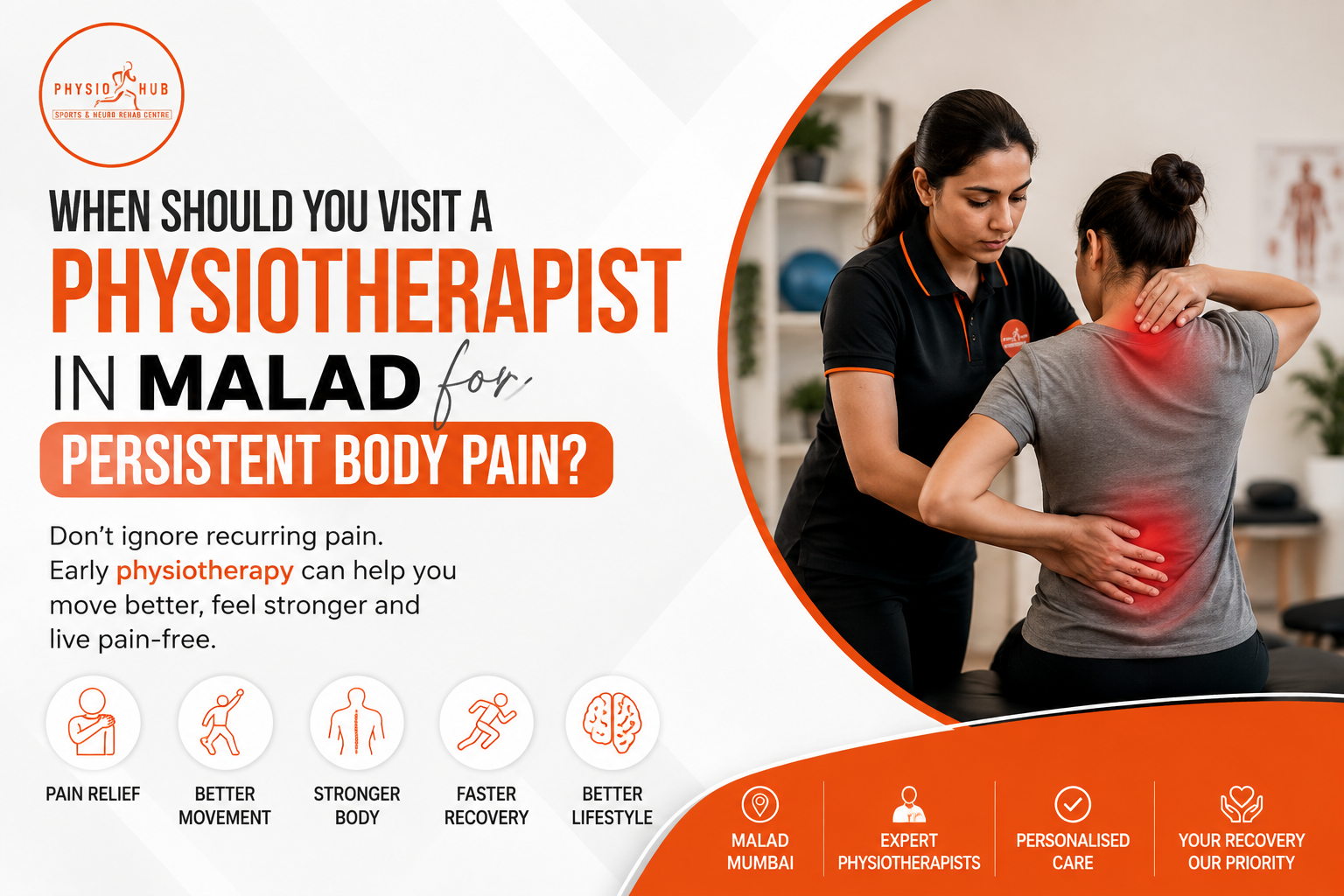
Body pain can start quietly. Maybe your lower back feels stiff after a long workday. Your neck hurts after hours on a laptop. Or perhaps knee pain that once appeared only while climbing stairs has started bothering you during regular activities. Many people wait for pain to disappear on its own. Sometimes it does. But when discomfort keeps returning, limits movement, affects sleep, or stops you from doing things you normally enjoy, it may be time to understand what is actually causing it. Consulting a physiotherapist in Malad, Mumbai can help you assess your movement, strength, mobility and daily habits instead of simply focusing on where it hurts.

This matters because musculoskeletal problems are extremely common. The World Health Organization estimates that around 1.71 billion people globally live with musculoskeletal conditions, which include back pain, neck pain, joint problems and other conditions that can affect mobility and daily function.

For people living or working around Malad, getting assessed early may help create a clearer and safer path towards recovery.

When Should You Visit a Physiotherapist for Persistent Body Pain?

You should consider visiting a physiotherapist in Malad, Mumbai when body pain keeps returning, lasts for several weeks, limits movement, affects work or sleep, or makes normal activities difficult. Physiotherapy can assess possible movement, muscle, joint or nerve-related factors and create a personalised rehabilitation plan based on your condition and goals.

What Is Persistent Body Pain?

Persistent body pain is discomfort that continues or keeps returning instead of resolving as expected.

Clinically, pain that persists or recurs for more than three months is generally described as chronic or persistent pain. However, you do not always need to wait three months before seeking professional assessment, especially if symptoms are worsening or affecting normal movement.

Pain may involve the:

  • Lower or upper back
  • Neck and shoulders
  • Knees
  • Hips
  • Ankles
  • Muscles and tendons
  • Joints
  • Nerves

Musculoskeletal conditions can involve muscles, bones, joints and surrounding connective tissues. They may cause pain, stiffness and reduced mobility, sometimes affecting work, exercise and everyday activities.

A person searching for Physiotherapy in Malad may therefore need more than temporary pain relief. The first step is usually understanding what movements, loads or health factors may be contributing to the symptoms.

Why Does Body Pain Keep Coming Back?

There is rarely one universal reason for persistent pain. Two people with pain in the same area may need completely different rehabilitation plans.

Common factors that may contribute include:

  • Reduced strength: Weakness in supporting muscles can make certain activities harder to tolerate.
  • Sudden increase in activity: Starting intense workouts, running or sports without gradual preparation can overload tissues.
  • Long periods of inactivity: Sitting for extended periods may contribute to stiffness and reduced movement tolerance.
  • Previous injuries: An ankle, knee or shoulder injury may continue to affect movement after the initial pain settles.
  • Work-related physical stress: Repetitive lifting, prolonged sitting or demanding physical work may aggravate symptoms.
  • Nerve involvement: Some people experience pain with numbness, tingling or symptoms travelling into an arm or leg.
  • Poor recovery habits: Sleep, physical activity and general health can influence pain and recovery.

For low back pain specifically, WHO notes that factors such as low physical activity, obesity, smoking and high physical stress at work are associated with non-specific low back pain. It also recommends a comprehensive assessment because pain is not always explained by a single tissue or structure.

This is why randomly copying exercises from social media may not always solve the problem. The exercise that helped your friend may not match what your body needs.

Persistent pain does not automatically mean serious damage. However, recurring pain deserves attention when it begins affecting movement, work, exercise, sleep or everyday independence. A proper assessment can help determine the next step.

How Does Physiotherapy for Persistent Pain Work?

 Physiotherapy in malad| physiohub

Visiting a physiotherapist in Malad, Mumbai usually begins with assessment rather than immediately starting exercises or machines.

Step 1: Understanding your symptoms

The physiotherapist may ask:

  • Where does the pain occur?
  • When did it begin?
  • Which activities increase or reduce it?
  • Has there been a previous injury?
  • Does the pain travel?
  • Is there numbness, tingling or weakness?
  • How does pain affect your daily routine?

Understanding a person’s experience is an important part of physiotherapy assessment and treatment planning.

Step 2: Movement and physical assessment

Depending on the symptoms, movement, strength, flexibility, balance, joint mobility and functional activities may be assessed.

For example, someone experiencing knee pain while climbing stairs may be assessed differently from a person experiencing neck pain with tingling in the hand.

Step 3: Identifying rehabilitation goals

Your goal may be returning to the gym, walking comfortably, sitting through office hours, playing sport again or simply completing daily activities without constantly worrying about pain.

Rehabilitation should therefore be linked to meaningful activities rather than only reducing a pain score. WHO describes rehabilitation as helping people improve functioning and participation in everyday life.

Step 4: Creating a personalised programme

Depending on the assessment, rehabilitation may include:

  • Mobility exercises
  • Progressive strengthening
  • Movement retraining
  • Balance exercises
  • Activity modification
  • Education
  • Home exercise programmes
  • Gradual return to work or sport

NHS guidance describes physiotherapy as using exercise and other techniques to improve pain and movement across a range of musculoskeletal and neurological conditions.

Step 5: Monitoring progress

Exercises and activity levels may be adjusted as your strength, confidence and function change.

Recovery is rarely about doing the same three exercises forever. The programme should progress with you.

What Are the Benefits of Physiotherapy for Persistent Body Pain?

The aim of physiotherapy is not simply to make the painful area feel better for a few hours.

Depending on the condition, Physiotherapy in Malad may help you work towards:

  • Better mobility
  • Improved muscle strength
  • Greater confidence during movement
  • Improved balance and coordination
  • Gradual return to exercise or sport
  • Better tolerance for everyday activities
  • Improved understanding of pain triggers
  • Safer progression of exercise
  • Greater independence with long-term self-management

Exercise and movement rehabilitation can be important components of recovery for many musculoskeletal problems. For non-specific low back pain, WHO includes physical therapy, physical activity and exercise among recommended management approaches.

Physiotherapy vs Other Approaches: What Is the Difference?

Different approaches may have different roles. The right option depends on your symptoms, assessment and medical history.

Approach Main Focus May Be Considered For
Physiotherapy Movement, strength, function and rehabilitation Musculoskeletal pain, injuries, post-surgical rehabilitation and movement problems
Chiropractic care Commonly focuses on musculoskeletal assessment and manual approaches Selected joint or musculoskeletal complaints, depending on clinical assessment
Osteopathy Often uses movement assessment and hands-on techniques Selected musculoskeletal problems
Medication Primarily helps control symptoms Short-term symptom management when medically appropriate
Rest alone Temporarily reduces physical load Certain acute injuries, but prolonged inactivity is not suitable for every condition

A person searching for a Chiropractor in Malad or osteopathy in Malad may still benefit from understanding whether rehabilitation and progressive exercise also need to be part of the overall plan.

For persistent low back pain, WHO recommends a broader approach that can include physical rehabilitation, lifestyle measures and psychosocial considerations rather than depending only on symptom relief.

Who Should Visit a Physiotherapist for Body Pain?

Consider an assessment if you experience:

  • Back or neck pain that repeatedly returns
  • Knee pain while walking or climbing stairs
  • Shoulder pain while lifting your arm
  • Stiffness affecting normal movement
  • Pain after a sports injury
  • Reduced strength after surgery or injury
  • Difficulty returning to exercise
  • Balance or coordination problems
  • Numbness or tingling that needs assessment
  • Reduced movement following a neurological condition

Athletes may benefit from consulting a Sports Physiotherapist in Mumbai when pain, weakness or a previous injury affects training or return to sport.

Similarly, someone recovering after an ACL injury or surgery may require structured ACL rehab in Malad, while neurological conditions may need specialised rehabilitation through a Neuro rehab centre in Malad or Neuro physio therapy in Malad.

When should you seek urgent medical care instead?

Physiotherapy is not the first step for every type of pain.

Seek urgent medical attention for symptoms such as new loss of bladder or bowel control, numbness around the genitals or anus, severe or rapidly progressing weakness, or back pain following a serious accident. These can indicate conditions requiring immediate medical assessment.

How Much Does Physiotherapy in Malad Cost?

There is no single price that applies to every patient because physiotherapy requirements differ.

Pricing may depend on:

  • Type of initial assessment
  • Duration of the session
  • Nature of the condition
  • Number of sessions required
  • Sports or neurological rehabilitation needs
  • Post-operative rehabilitation requirements
  • Treatment complexity
  • Whether specialised rehabilitation is required

A good treatment plan should not be based only on completing a fixed number of sessions. Progress should be reviewed according to function, symptoms and personal goals.

Before beginning treatment, ask the clinic what the consultation includes and whether a home programme or progress review forms part of the plan.

What Are the Physiotherapy Trends in 2026?

Physiotherapy is becoming increasingly personalised and technology-supported.

In 2026, major areas receiving attention include:

  • Digital health tools
  • Telerehabilitation
  • Artificial intelligence-supported healthcare
  • Assistive technology
  • Remote rehabilitation support
  • Evidence-informed exercise programmes
  • More personalised rehabilitation planning

At the 2026 World Physiotherapy Africa region conference, artificial intelligence, digital health, telerehabilitation and assistive technologies were highlighted among innovations shaping rehabilitation. Importantly, the discussion also emphasised that technology should support clinicians rather than replace physiotherapists.

The human part of rehabilitation still matters: listening to the patient’s experience, assessing movement and adapting treatment as recovery progresses.

Why Choose PhysioHub in Malad, Mumbai?

When persistent pain begins interfering with everyday life, you need more than a list of generic exercises.

At PhysioHub in Malad, Mumbai, the focus can begin with understanding your symptoms, movement limitations and recovery goals before creating an appropriate rehabilitation strategy.

Whether someone is looking for a physiotherapist in Malad, Mumbai, a physiotherapist in Mumbai, sports rehabilitation or neurological rehabilitation, treatment should remain centred around the individual’s needs.

A structured approach may be especially valuable for:

  • Persistent neck and back pain
  • Joint and muscle discomfort
  • Sports-related injuries
  • Post-injury rehabilitation
  • Movement and mobility limitations
  • ACL rehabilitation
  • Neurological rehabilitation
  • Return-to-activity programmes

The aim is not to chase symptoms from session to session. It is to help patients better understand their movement, rebuild function and work towards activities that matter in everyday life.

FAQs About Visiting a Physiotherapist in Malad for Body Pain

1. When should I see a physiotherapist for body pain?

Consider seeing a physiotherapist when pain repeatedly returns, limits normal movement, affects daily activities or is not improving as expected. Persistent pain lasting more than three months is generally classified as chronic pain.

2. Can physiotherapy help with back and neck pain?

Physiotherapy is commonly used for back pain, neck pain and other muscle or joint problems. Treatment may include movement, exercise, education and other techniques depending on the assessment.

3. Do I need to wait until my pain becomes severe before seeing a physiotherapist?

No. You can seek assessment before pain becomes severe, particularly when symptoms keep returning or begin restricting your activities. Early assessment may also help identify whether another healthcare professional should be involved.

4. Can a physiotherapist help with sports injuries?

Yes. Physiotherapy is commonly used for sprains, strains and other sports-related problems. A sports rehabilitation plan may focus on restoring movement, strength and gradual return to activity.

5. How many physiotherapy sessions will I need?

There is no universal number. The duration of rehabilitation depends on the condition, severity, goals, response to treatment and how consistently the recommended programme is followed. Progress should be reviewed and the plan adjusted when necessary.

Persistent Pain Shouldn’t Become Your New Normal

When pain keeps coming back, ignoring it or relying only on temporary relief may leave the underlying movement problem unanswered.

A professional assessment can help you understand what may be contributing to your symptoms and what steps are appropriate for your recovery.

If persistent back, neck, knee, shoulder, sports-related or movement-related pain is affecting your routine, consult a physiotherapist in Malad, Mumbai at PhysioHub for an individual assessment and personalised rehabilitation plan.

Take the first step towards moving with greater confidence—schedule your physiotherapy assessment at PhysioHub in Malad, Mumbai.

Conditions treated by a physiotherapist in Malad Mumbai include back pain, neck pain, sports injuries, joint stiffness, ACL injuries, neurological conditions and post-surgery weakness. At PhysioHub, each treatment plan is personalised to improve movement, reduce discomfort and help patients return to daily activities with greater confidence.

Pain does not always begin with a serious injury. Sometimes it starts as mild stiffness, discomfort while climbing stairs or a small pull during exercise. At first, you may ignore it. But when the pain keeps returning, even simple activities can become frustrating.

You may stop going for walks because of knee pain. You may avoid exercise after a shoulder injury. Neck stiffness can make long working hours uncomfortable, while weakness after surgery may reduce your confidence in movement.

Understanding the different conditions treated by a physiotherapist in Malad Mumbai can help you decide when professional assessment may be useful. At PhysioHub Sports & Neuro Rehab Centre, treatment is planned according to your symptoms, lifestyle, movement limitations and recovery goals.

Many people wait for the pain to disappear on its own. Others depend on pain-relief medicines, massage or random exercises found online. These may offer temporary comfort, but they may not address the actual reason behind the problem.

A qualified physiotherapist in Malad, Mumbai does more than treat the painful area. They assess how your muscles, joints, nerves, posture and movement patterns work together. The goal is to understand why the pain started, what keeps triggering it and how you can move safely again.

At PhysioHub, physiotherapy plans are designed around the person—not just the diagnosis. Whether you are dealing with back pain, a sports injury, post-surgery weakness or a neurological condition, the right rehabilitation plan can help you return to daily activities with greater confidence.

 What Conditions Can a Physiotherapist in Malad Treat?

A physiotherapist in Malad can treat back pain, neck pain, joint stiffness, sports injuries, muscle strains, posture problems, balance difficulties, neurological conditions and post-surgery weakness. Physiotherapy may include movement assessment, therapeutic exercises, manual techniques, strength training, balance work and a personalised home exercise programme.

What is Physiotherapy and What Conditions Does It Treat?

Physiotherapy is a healthcare approach that helps people improve movement, reduce pain, rebuild strength and regain independence after an injury, illness, surgery or long-term health condition.

It is not limited to massage, machines or temporary pain relief. A structured programme of Physiotherapy in Malad may include:

  • Detailed movement and posture assessment
  • Joint mobility testing
  • Muscle strength and flexibility testing
  • Balance and walking assessment
  • Therapeutic exercise
  • Manual therapy
  • Sports-specific rehabilitation
  • Neurological rehabilitation
  • Education about posture, activity and pain management
  • A personalised home exercise plan

The World Health Organization defines rehabilitation as a group of interventions that help people improve everyday functioning and reduce disability. Globally, around 2.4 billion people live with a health condition that may benefit from rehabilitation.

A physiotherapist may commonly help with the following conditions.

Back pain and sciatica

Back pain may develop because of prolonged sitting, poor lifting habits, weak trunk muscles, reduced hip movement, disc-related irritation or a sudden strain.

Physiotherapy may focus on movement correction, core control, gradual strengthening and safe activity progression. For low back pain, clinical guidelines recommend exercise-based care, with manual therapy used as part of a broader treatment programme rather than as a stand-alone solution

Neck pain and shoulder stiffness

Long hours on a laptop, frequent mobile phone use and poor workstation habits can place extra stress on the neck and shoulders.

A physiotherapist may assess the neck, upper back, shoulder blades, posture and muscle control. Treatment can include mobility work, strengthening and ergonomic guidance.

Knee, hip and ankle pain

Joint pain can make walking, climbing stairs or getting up from a chair difficult. Common problems include osteoarthritis, ligament injuries, tendon irritation, ankle sprains and weakness after a period of rest.

The aim is not simply to reduce pain. It is to improve joint movement, strength, balance and confidence during daily activities.

Sports injuries

A Sports Physiotherapist in Mumbai may manage muscle strains, ligament sprains, tendon problems, shoulder injuries, runner’s knee, tennis elbow and recurring sports-related pain.

Sports rehabilitation usually progresses from pain control to strength, speed, balance, agility and sport-specific movement. Returning too quickly without rebuilding these qualities may leave an athlete feeling unprepared.

ACL injuries and knee surgery

Structured ACL rehab in Malad may be required before surgery, after reconstruction or during non-surgical management when medically appropriate.

ACL rehabilitation can include swelling control, knee movement, quadriceps strengthening, balance exercises, running preparation, jumping and direction-change training. Research-based guidelines emphasise active exercise and milestone-based progression. Although many patients return to some form of sport, fewer return to their previous or competitive level, showing why rehabilitation should not end as soon as basic walking feels normal

Neurological conditions

A Neuro rehab centre in Malad may support people recovering from stroke, brain injury, spinal cord injury, Parkinson’s disease or other conditions that affect movement and balance.

Neuro physiotherapy may work on:

  • Sitting and standing balance
  • Walking and stair practice
  • Arm and hand movement
  • Coordination
  • Muscle stiffness
  • Functional independence
  • Fall prevention

Stroke rehabilitation should be linked to meaningful movement goals, such as walking safely, transferring independently or improving balance.

People searching for Neuro physiotherapy in Malad should choose a centre that provides a detailed functional assessment and an individualised programme.

Post-surgery rehabilitation

Physiotherapy may be advised after knee replacement, hip replacement, ligament reconstruction, fracture fixation, spinal procedures or shoulder surgery.

Rehabilitation helps restore movement gradually while respecting the surgeon’s precautions and the healing stage.

Posture and work-related pain

A real-life example is an office worker who feels fine in the morning but develops neck pain by evening. The problem may not be one “tight muscle.” It may involve workstation setup, reduced upper-back movement, poor muscle endurance and long periods without movement.

Physiotherapy can address these factors together.

A physiotherapist can treat musculoskeletal, neurological, sports-related and post-surgical conditions. The treatment plan depends on the person’s symptoms, movement limitations, lifestyle and recovery goals.

Why Might You Need Physiotherapy?

Physiotherapist in malad| Physiohub

You may need physiotherapy when pain, weakness or limited movement begins to affect your everyday life.

Common reasons include:

  • Pain lasting longer than expected
  • Pain returning after temporary relief
  • Difficulty walking or climbing stairs
  • Reduced movement after surgery or injury
  • Tingling, numbness or nerve-related discomfort
  • Poor balance or repeated falls
  • Weakness after a stroke
  • Difficulty returning to sport
  • Stiffness after sitting or resting
  • Fear of movement after an injury
  • Reduced confidence during daily activities

Musculoskeletal conditions affect muscles, bones, joints and nearby connective tissues. The World Health Organization reports that these conditions include more than 150 different disorders and are a major cause of limitations in movement and participation. Low back pain alone remains the leading cause of disability worldwide.

Could you simply rest until the pain disappears? Sometimes a mild strain improves naturally. However, recurring symptoms often need a closer look, especially when they interfere with sleep, work, walking or exercise.

How Does Physiotherapy Treatment Work?

A visit to a physiotherapist in Malad, Mumbai generally follows a clear process.

Step 1: Understanding your symptoms

The physiotherapist asks when the problem started, what activities worsen it and how it affects your daily routine.

They may also review previous injuries, medical conditions, surgery details and imaging reports.

Step 2: Physical and movement assessment

The assessment may include:

  • Joint movement
  • Muscle strength
  • Flexibility
  • Posture
  • Walking pattern
  • Balance
  • Nerve sensitivity
  • Functional movements such as squatting or climbing stairs

Step 3: Identifying contributing factors

Pain is not always caused by the area where it is felt. For example, knee pain may be influenced by hip weakness, while shoulder discomfort may be linked to upper-back stiffness.

The physiotherapist looks at the complete movement pattern before planning treatment.

Step 4: Creating a personalised plan

Treatment may combine therapeutic exercise, movement retraining, manual techniques, mobility work and education.

At PhysioHub, techniques may be selected according to individual needs and may include sports rehabilitation, osteopathy, chiropractic-based approaches, fascial techniques, dry needling, cupping or other appropriate rehabilitation methods.

Step 5: Tracking progress

Progress is measured through meaningful goals. These might include walking without support, sitting through a workday, lifting the arm overhead or returning to running.

The programme is adjusted as strength, confidence and movement improve.

What Are the Benefits of Physiotherapy?

A properly planned physiotherapy programme may help you:

  • Reduce pain and stiffness
  • Improve joint mobility
  • Rebuild muscle strength
  • Improve balance and coordination
  • Walk more confidently
  • Return to work or sport safely
  • Recover after surgery
  • Manage long-term conditions
  • Reduce fear related to movement
  • Improve daily independence
  • Learn how to prevent repeated flare-ups

One of the most valuable benefits is understanding your body better. Instead of being afraid of every painful movement, you learn what is safe, what needs modification and how to progress gradually.

Physiotherapy is not only about feeling better during a clinic session. It aims to help you move, work, exercise and manage daily life more independently.

How Does Physiotherapy Compare with Other Treatment Options?

Treatment option Main focus Commonly suitable for Important consideration
Physiotherapy Movement, strength, function and rehabilitation Injuries, surgery recovery, pain, neurological and sports conditions Usually includes active exercises and home guidance
Pain-relief medication Short-term symptom control Acute pain or inflammation when medically advised May not correct movement or strength problems
Massage Relaxation and temporary soft-tissue relief Muscle tightness and general soreness Effects may be temporary without active rehabilitation
Chiropractic care Joint and spinal manual techniques Selected musculoskeletal problems Should follow proper screening and be combined with exercise where appropriate
Osteopathy Hands-on assessment and treatment of body movement Selected joint and soft-tissue problems Results depend on the condition and practitioner’s assessment
Surgery Repairing or replacing damaged structures Serious injuries or advanced conditions Rehabilitation is often needed before or after surgery

Someone searching for a Chiropractor in Malad or osteopathy in Malad may benefit from a clinic that does not rely only on passive treatment. Manual techniques can sometimes support recovery, but long-term progress often requires movement, strength and self-management.

For low back pain, guidelines specifically recommend that manual therapy be included within a package that also involves exercise.

Who Is a Good Candidate for Physiotherapy?

You may be a suitable candidate if you:

  • Have back, neck, shoulder or joint pain
  • Are recovering from surgery
  • Have experienced a sports injury
  • Feel weak after prolonged rest
  • Have difficulty walking or balancing
  • Are recovering after a stroke
  • Want to return to exercise safely
  • Have recurring muscle or tendon pain
  • Need support with posture or workplace discomfort
  • Want to improve mobility as you age

A physiotherapist in Mumbai may also work with active adults who are not seriously injured but feel that their body is no longer moving as freely as before.

Physiotherapy is not appropriate as the first step for every problem. Sudden severe weakness, suspected fracture, stroke symptoms, loss of bladder or bowel control, chest pain or rapidly worsening symptoms require urgent medical evaluation.

What Factors Affect the Cost of Physiotherapy?

The cost of seeing a physiotherapist in Malad, Mumbai can vary according to:

  • Type and complexity of the condition
  • Length of the assessment
  • Treatment duration
  • Number of sessions required
  • Sports or neurological rehabilitation needs
  • Post-surgery precautions
  • Home visits or clinic-based sessions
  • Use of specialised rehabilitation equipment
  • Experience and qualifications of the physiotherapist

A mild ankle sprain may need a shorter programme than stroke rehabilitation or recovery after ACL surgery.

It is better to ask what the session includes rather than choosing only by the lowest price. A proper assessment, progress tracking and a clear home programme can make treatment more focused.

What Are the Physiotherapy Trends in 2026?

Physiotherapy in 2026 is becoming more measurable, personalised and connected to real-life function.

Technology-supported rehabilitation

Wearable sensors can track movement, physical activity and exercise performance. Current research suggests these tools may support engagement and provide useful movement feedback, although accuracy, cost and accessibility remain important limitations.

Hybrid and telerehabilitation programmes

Some patients now combine clinic sessions with guided home or online follow-ups. Recent evidence suggests telerehabilitation can be useful and generally safe for selected patients, but it does not replace hands-on assessment in every case.

Goal-based recovery

Rehabilitation is increasingly based on measurable goals rather than a fixed number of sessions. For an athlete, the goal may be safe jumping and direction changes. For a stroke survivor, it may be walking to the bathroom independently.

Whole-person care

Modern physiotherapy considers sleep, stress, confidence, work demands, activity levels and personal goals. Two people with the same diagnosis may need very different plans.

Why Choose PhysioHub in Malad, Mumbai?

PhysioHub Sports Rehab Centre provides personalised physiotherapy for pain, injuries, sports rehabilitation, neurological recovery and post-surgery care.

Rather than treating only the painful spot, the team assesses how the body moves as a complete system. This can help identify weakness, stiffness, poor control or compensation patterns that may be contributing to the problem.

Patients may choose PhysioHub for:

  • Detailed movement assessment
  • Personalised exercise programmes
  • Sports injury rehabilitation
  • ACL and post-surgery recovery
  • Neuro rehabilitation
  • Balance and walking training
  • Manual and fascial techniques
  • Osteopathy and chiropractic-based approaches where appropriate
  • Clear home exercise guidance
  • Progress-based treatment planning

Choosing the right physiotherapist in Malad, Mumbai means finding someone who listens to your concerns, explains the plan clearly and helps you work towards goals that matter in your daily life.

Frequently Asked Questions

1. What problems can a physiotherapist treat?

A physiotherapist can treat muscle and joint pain, sports injuries, post-surgery weakness, balance problems, neurological conditions, posture-related pain and movement limitations. Treatment depends on the diagnosis, assessment findings and personal goals.

2. Can physiotherapy help with back and neck pain?

Yes. Physiotherapy may help by improving mobility, muscle control, posture, strength and activity tolerance. The physiotherapist will first assess whether the symptoms are related to joints, muscles, nerves or other factors.

3. How many physiotherapy sessions will I need?

The number of sessions varies. A recent muscle strain may improve within a few sessions, while ACL reconstruction, stroke rehabilitation or long-term pain may require a longer programme.

4. Do I need a doctor’s referral for physiotherapy?

Many people can consult a physiotherapist directly, although a referral or medical clearance may be required after surgery, serious injury or certain neurological and medical conditions.

5. Is physiotherapy painful?

Physiotherapy should not involve uncontrolled or unbearable pain. Some exercises may feel challenging, and mild temporary soreness can occur. The treatment intensity should be adjusted according to your symptoms and recovery stage.

Take the First Step Towards Better Movement

Pain may be common, but it should not quietly control your work, sleep, exercise or independence.

Whether you are managing recurring back pain, recovering from an injury or looking for a trusted physiotherapist in Malad, Mumbai, PhysioHub can help you understand the problem and follow a structured recovery plan.

Book a physiotherapy assessment at PhysioHub Sports Rehab Centre in Malad and take a confident step towards moving better, feeling stronger and returning to the activities that matter to you.