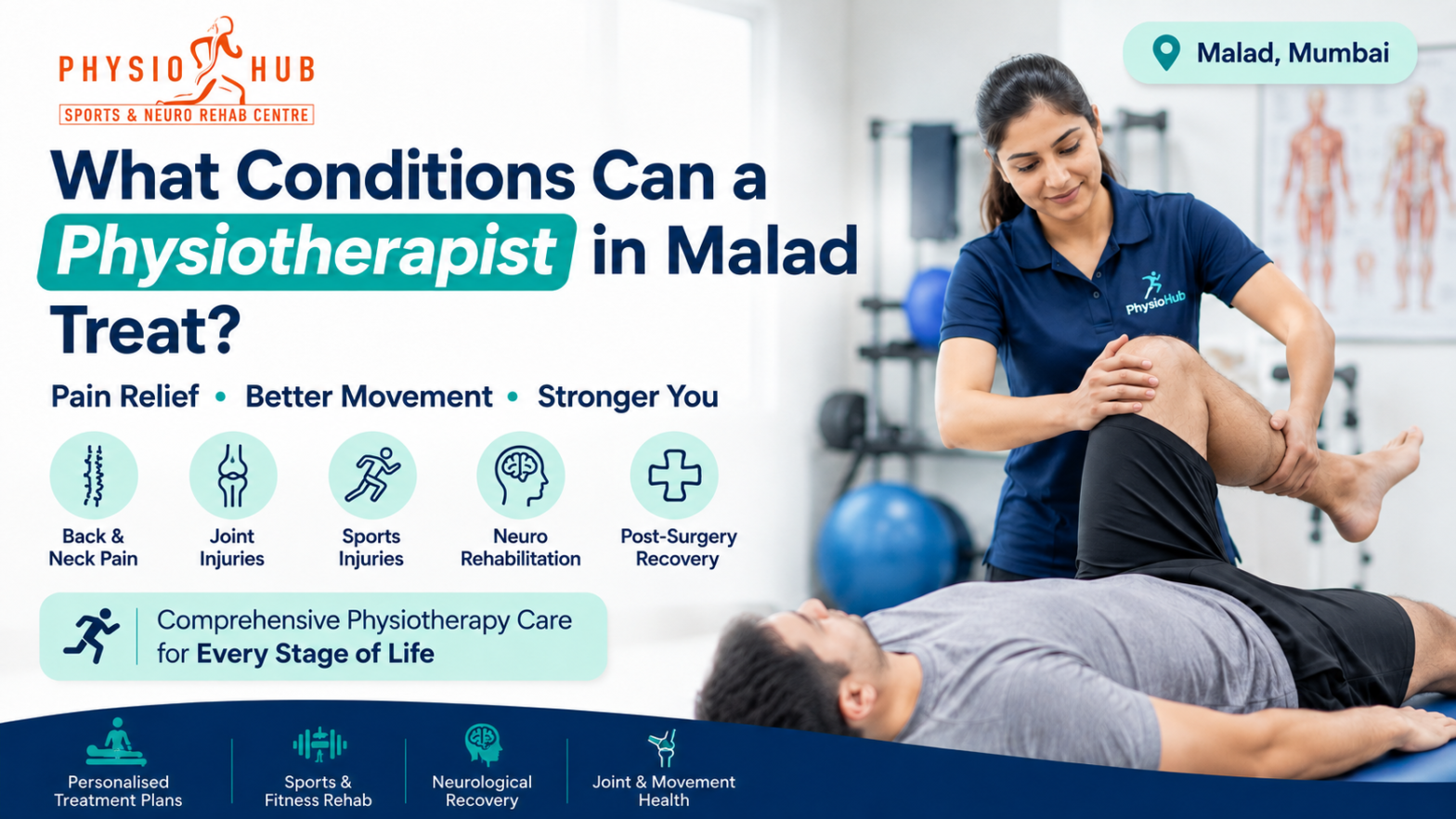
Conditions treated by a physiotherapist in Malad Mumbai include back pain, neck pain, sports injuries, joint stiffness, ACL injuries, neurological conditions and post-surgery weakness. At PhysioHub, each treatment plan is personalised to improve movement, reduce discomfort and help patients return to daily activities with greater confidence.
Pain does not always begin with a serious injury. Sometimes it starts as mild stiffness, discomfort while climbing stairs or a small pull during exercise. At first, you may ignore it. But when the pain keeps returning, even simple activities can become frustrating.
You may stop going for walks because of knee pain. You may avoid exercise after a shoulder injury. Neck stiffness can make long working hours uncomfortable, while weakness after surgery may reduce your confidence in movement.
Understanding the different conditions treated by a physiotherapist in Malad Mumbai can help you decide when professional assessment may be useful. At PhysioHub Sports & Neuro Rehab Centre, treatment is planned according to your symptoms, lifestyle, movement limitations and recovery goals.
Many people wait for the pain to disappear on its own. Others depend on pain-relief medicines, massage or random exercises found online. These may offer temporary comfort, but they may not address the actual reason behind the problem.
A qualified physiotherapist in Malad, Mumbai does more than treat the painful area. They assess how your muscles, joints, nerves, posture and movement patterns work together. The goal is to understand why the pain started, what keeps triggering it and how you can move safely again.
At PhysioHub, physiotherapy plans are designed around the person—not just the diagnosis. Whether you are dealing with back pain, a sports injury, post-surgery weakness or a neurological condition, the right rehabilitation plan can help you return to daily activities with greater confidence.
What Conditions Can a Physiotherapist in Malad Treat?
A physiotherapist in Malad can treat back pain, neck pain, joint stiffness, sports injuries, muscle strains, posture problems, balance difficulties, neurological conditions and post-surgery weakness. Physiotherapy may include movement assessment, therapeutic exercises, manual techniques, strength training, balance work and a personalised home exercise programme.
What is Physiotherapy and What Conditions Does It Treat?
Physiotherapy is a healthcare approach that helps people improve movement, reduce pain, rebuild strength and regain independence after an injury, illness, surgery or long-term health condition.
It is not limited to massage, machines or temporary pain relief. A structured programme of Physiotherapy in Malad may include:
- Detailed movement and posture assessment
- Joint mobility testing
- Muscle strength and flexibility testing
- Balance and walking assessment
- Therapeutic exercise
- Manual therapy
- Sports-specific rehabilitation
- Neurological rehabilitation
- Education about posture, activity and pain management
- A personalised home exercise plan
The World Health Organization defines rehabilitation as a group of interventions that help people improve everyday functioning and reduce disability. Globally, around 2.4 billion people live with a health condition that may benefit from rehabilitation.
A physiotherapist may commonly help with the following conditions.
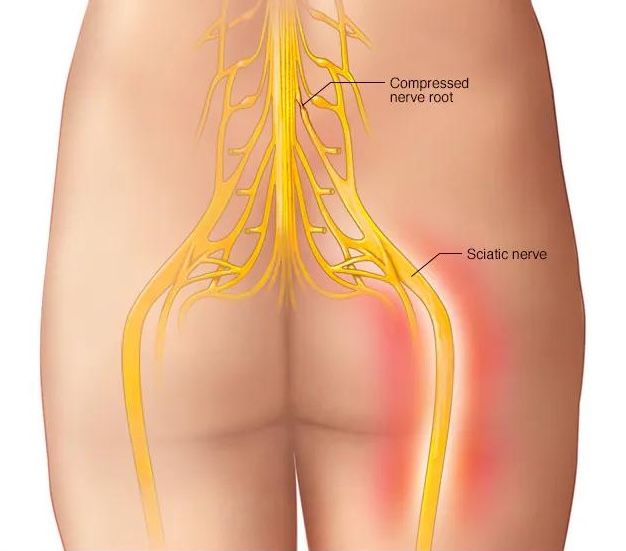
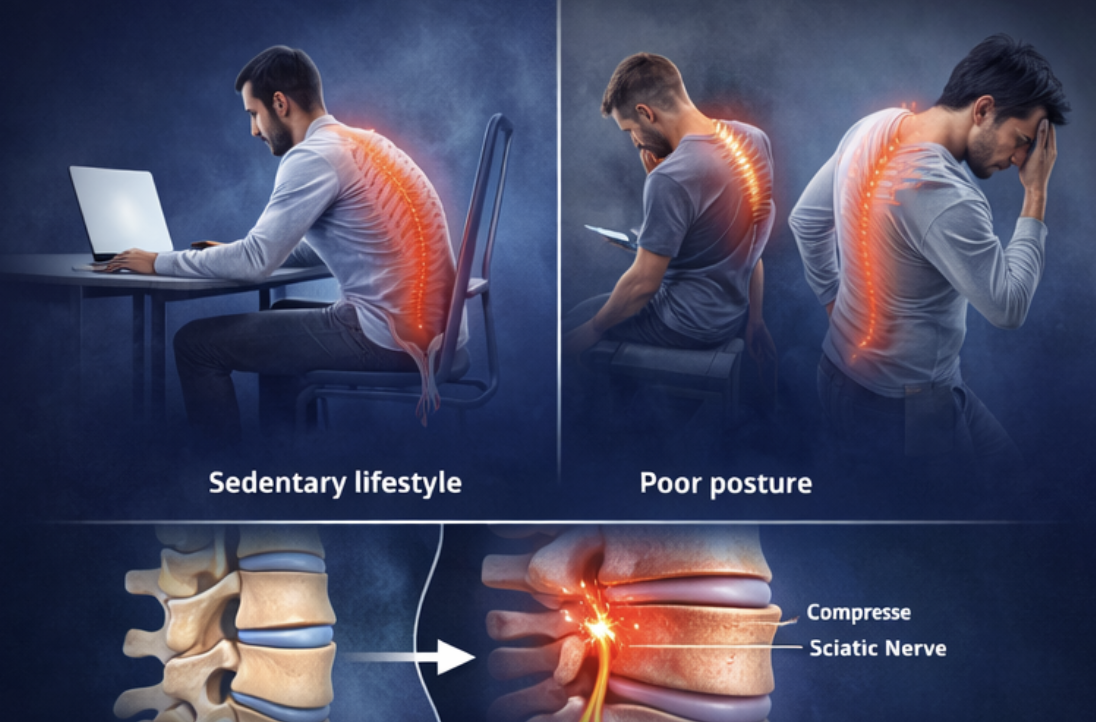
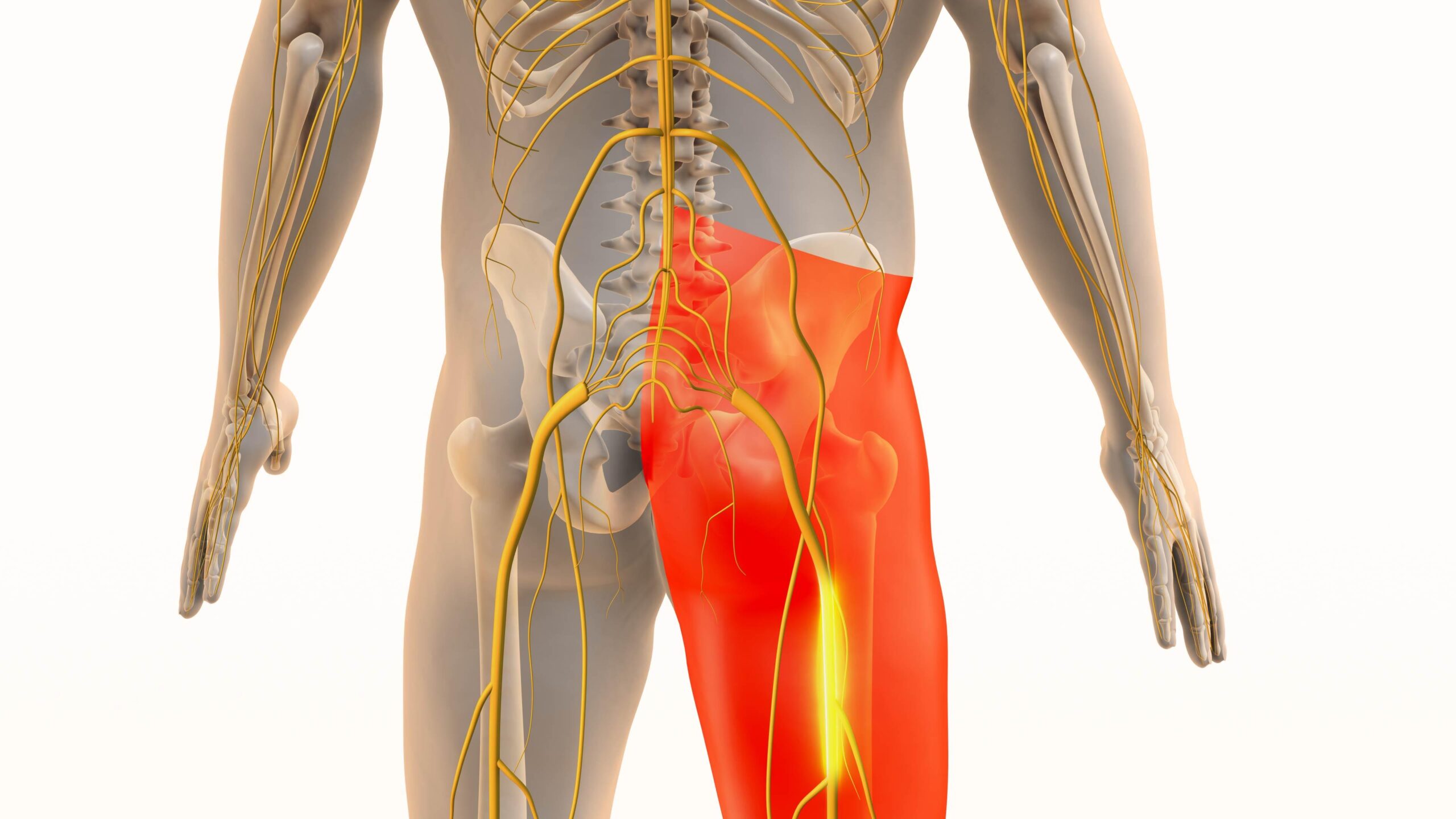
Back pain and sciatica
Back pain may develop because of prolonged sitting, poor lifting habits, weak trunk muscles, reduced hip movement, disc-related irritation or a sudden strain.
Physiotherapy may focus on movement correction, core control, gradual strengthening and safe activity progression. For low back pain, clinical guidelines recommend exercise-based care, with manual therapy used as part of a broader treatment programme rather than as a stand-alone solution
Neck pain and shoulder stiffness
Long hours on a laptop, frequent mobile phone use and poor workstation habits can place extra stress on the neck and shoulders.
A physiotherapist may assess the neck, upper back, shoulder blades, posture and muscle control. Treatment can include mobility work, strengthening and ergonomic guidance.
Knee, hip and ankle pain
Joint pain can make walking, climbing stairs or getting up from a chair difficult. Common problems include osteoarthritis, ligament injuries, tendon irritation, ankle sprains and weakness after a period of rest.
The aim is not simply to reduce pain. It is to improve joint movement, strength, balance and confidence during daily activities.
Sports injuries
A Sports Physiotherapist in Mumbai may manage muscle strains, ligament sprains, tendon problems, shoulder injuries, runner’s knee, tennis elbow and recurring sports-related pain.
Sports rehabilitation usually progresses from pain control to strength, speed, balance, agility and sport-specific movement. Returning too quickly without rebuilding these qualities may leave an athlete feeling unprepared.
ACL injuries and knee surgery
Structured ACL rehab in Malad may be required before surgery, after reconstruction or during non-surgical management when medically appropriate.
ACL rehabilitation can include swelling control, knee movement, quadriceps strengthening, balance exercises, running preparation, jumping and direction-change training. Research-based guidelines emphasise active exercise and milestone-based progression. Although many patients return to some form of sport, fewer return to their previous or competitive level, showing why rehabilitation should not end as soon as basic walking feels normal
Neurological conditions
A Neuro rehab centre in Malad may support people recovering from stroke, brain injury, spinal cord injury, Parkinson’s disease or other conditions that affect movement and balance.
Neuro physiotherapy may work on:
- Sitting and standing balance
- Walking and stair practice
- Arm and hand movement
- Coordination
- Muscle stiffness
- Functional independence
- Fall prevention
Stroke rehabilitation should be linked to meaningful movement goals, such as walking safely, transferring independently or improving balance.
People searching for Neuro physiotherapy in Malad should choose a centre that provides a detailed functional assessment and an individualised programme.
Post-surgery rehabilitation
Physiotherapy may be advised after knee replacement, hip replacement, ligament reconstruction, fracture fixation, spinal procedures or shoulder surgery.
Rehabilitation helps restore movement gradually while respecting the surgeon’s precautions and the healing stage.
Posture and work-related pain
A real-life example is an office worker who feels fine in the morning but develops neck pain by evening. The problem may not be one “tight muscle.” It may involve workstation setup, reduced upper-back movement, poor muscle endurance and long periods without movement.
Physiotherapy can address these factors together.
A physiotherapist can treat musculoskeletal, neurological, sports-related and post-surgical conditions. The treatment plan depends on the person’s symptoms, movement limitations, lifestyle and recovery goals.
Why Might You Need Physiotherapy?
You may need physiotherapy when pain, weakness or limited movement begins to affect your everyday life.
Common reasons include:
- Pain lasting longer than expected
- Pain returning after temporary relief
- Difficulty walking or climbing stairs
- Reduced movement after surgery or injury
- Tingling, numbness or nerve-related discomfort
- Poor balance or repeated falls
- Weakness after a stroke
- Difficulty returning to sport
- Stiffness after sitting or resting
- Fear of movement after an injury
- Reduced confidence during daily activities
Musculoskeletal conditions affect muscles, bones, joints and nearby connective tissues. The World Health Organization reports that these conditions include more than 150 different disorders and are a major cause of limitations in movement and participation. Low back pain alone remains the leading cause of disability worldwide.
Could you simply rest until the pain disappears? Sometimes a mild strain improves naturally. However, recurring symptoms often need a closer look, especially when they interfere with sleep, work, walking or exercise.
How Does Physiotherapy Treatment Work?
A visit to a physiotherapist in Malad, Mumbai generally follows a clear process.
Step 1: Understanding your symptoms
The physiotherapist asks when the problem started, what activities worsen it and how it affects your daily routine.
They may also review previous injuries, medical conditions, surgery details and imaging reports.
Step 2: Physical and movement assessment
The assessment may include:
- Joint movement
- Muscle strength
- Flexibility
- Posture
- Walking pattern
- Balance
- Nerve sensitivity
- Functional movements such as squatting or climbing stairs
Step 3: Identifying contributing factors
Pain is not always caused by the area where it is felt. For example, knee pain may be influenced by hip weakness, while shoulder discomfort may be linked to upper-back stiffness.
The physiotherapist looks at the complete movement pattern before planning treatment.
Step 4: Creating a personalised plan
Treatment may combine therapeutic exercise, movement retraining, manual techniques, mobility work and education.
At PhysioHub, techniques may be selected according to individual needs and may include sports rehabilitation, osteopathy, chiropractic-based approaches, fascial techniques, dry needling, cupping or other appropriate rehabilitation methods.
Step 5: Tracking progress
Progress is measured through meaningful goals. These might include walking without support, sitting through a workday, lifting the arm overhead or returning to running.
The programme is adjusted as strength, confidence and movement improve.
What Are the Benefits of Physiotherapy?
A properly planned physiotherapy programme may help you:
- Reduce pain and stiffness
- Improve joint mobility
- Rebuild muscle strength
- Improve balance and coordination
- Walk more confidently
- Return to work or sport safely
- Recover after surgery
- Manage long-term conditions
- Reduce fear related to movement
- Improve daily independence
- Learn how to prevent repeated flare-ups
One of the most valuable benefits is understanding your body better. Instead of being afraid of every painful movement, you learn what is safe, what needs modification and how to progress gradually.
Physiotherapy is not only about feeling better during a clinic session. It aims to help you move, work, exercise and manage daily life more independently.
How Does Physiotherapy Compare with Other Treatment Options?
| Treatment option | Main focus | Commonly suitable for | Important consideration |
|---|---|---|---|
| Physiotherapy | Movement, strength, function and rehabilitation | Injuries, surgery recovery, pain, neurological and sports conditions | Usually includes active exercises and home guidance |
| Pain-relief medication | Short-term symptom control | Acute pain or inflammation when medically advised | May not correct movement or strength problems |
| Massage | Relaxation and temporary soft-tissue relief | Muscle tightness and general soreness | Effects may be temporary without active rehabilitation |
| Chiropractic care | Joint and spinal manual techniques | Selected musculoskeletal problems | Should follow proper screening and be combined with exercise where appropriate |
| Osteopathy | Hands-on assessment and treatment of body movement | Selected joint and soft-tissue problems | Results depend on the condition and practitioner’s assessment |
| Surgery | Repairing or replacing damaged structures | Serious injuries or advanced conditions | Rehabilitation is often needed before or after surgery |
Someone searching for a Chiropractor in Malad or osteopathy in Malad may benefit from a clinic that does not rely only on passive treatment. Manual techniques can sometimes support recovery, but long-term progress often requires movement, strength and self-management.
For low back pain, guidelines specifically recommend that manual therapy be included within a package that also involves exercise.
Who Is a Good Candidate for Physiotherapy?
You may be a suitable candidate if you:
- Have back, neck, shoulder or joint pain
- Are recovering from surgery
- Have experienced a sports injury
- Feel weak after prolonged rest
- Have difficulty walking or balancing
- Are recovering after a stroke
- Want to return to exercise safely
- Have recurring muscle or tendon pain
- Need support with posture or workplace discomfort
- Want to improve mobility as you age
A physiotherapist in Mumbai may also work with active adults who are not seriously injured but feel that their body is no longer moving as freely as before.
Physiotherapy is not appropriate as the first step for every problem. Sudden severe weakness, suspected fracture, stroke symptoms, loss of bladder or bowel control, chest pain or rapidly worsening symptoms require urgent medical evaluation.
What Factors Affect the Cost of Physiotherapy?
The cost of seeing a physiotherapist in Malad, Mumbai can vary according to:
- Type and complexity of the condition
- Length of the assessment
- Treatment duration
- Number of sessions required
- Sports or neurological rehabilitation needs
- Post-surgery precautions
- Home visits or clinic-based sessions
- Use of specialised rehabilitation equipment
- Experience and qualifications of the physiotherapist
A mild ankle sprain may need a shorter programme than stroke rehabilitation or recovery after ACL surgery.
It is better to ask what the session includes rather than choosing only by the lowest price. A proper assessment, progress tracking and a clear home programme can make treatment more focused.
What Are the Physiotherapy Trends in 2026?
Physiotherapy in 2026 is becoming more measurable, personalised and connected to real-life function.
Technology-supported rehabilitation
Wearable sensors can track movement, physical activity and exercise performance. Current research suggests these tools may support engagement and provide useful movement feedback, although accuracy, cost and accessibility remain important limitations.
Hybrid and telerehabilitation programmes
Some patients now combine clinic sessions with guided home or online follow-ups. Recent evidence suggests telerehabilitation can be useful and generally safe for selected patients, but it does not replace hands-on assessment in every case.
Goal-based recovery
Rehabilitation is increasingly based on measurable goals rather than a fixed number of sessions. For an athlete, the goal may be safe jumping and direction changes. For a stroke survivor, it may be walking to the bathroom independently.
Whole-person care
Modern physiotherapy considers sleep, stress, confidence, work demands, activity levels and personal goals. Two people with the same diagnosis may need very different plans.
Why Choose PhysioHub in Malad, Mumbai?
PhysioHub Sports Rehab Centre provides personalised physiotherapy for pain, injuries, sports rehabilitation, neurological recovery and post-surgery care.
Rather than treating only the painful spot, the team assesses how the body moves as a complete system. This can help identify weakness, stiffness, poor control or compensation patterns that may be contributing to the problem.
Patients may choose PhysioHub for:
- Detailed movement assessment
- Personalised exercise programmes
- Sports injury rehabilitation
- ACL and post-surgery recovery
- Neuro rehabilitation
- Balance and walking training
- Manual and fascial techniques
- Osteopathy and chiropractic-based approaches where appropriate
- Clear home exercise guidance
- Progress-based treatment planning
Choosing the right physiotherapist in Malad, Mumbai means finding someone who listens to your concerns, explains the plan clearly and helps you work towards goals that matter in your daily life.
Frequently Asked Questions
1. What problems can a physiotherapist treat?
A physiotherapist can treat muscle and joint pain, sports injuries, post-surgery weakness, balance problems, neurological conditions, posture-related pain and movement limitations. Treatment depends on the diagnosis, assessment findings and personal goals.
2. Can physiotherapy help with back and neck pain?
Yes. Physiotherapy may help by improving mobility, muscle control, posture, strength and activity tolerance. The physiotherapist will first assess whether the symptoms are related to joints, muscles, nerves or other factors.
3. How many physiotherapy sessions will I need?
The number of sessions varies. A recent muscle strain may improve within a few sessions, while ACL reconstruction, stroke rehabilitation or long-term pain may require a longer programme.
4. Do I need a doctor’s referral for physiotherapy?
Many people can consult a physiotherapist directly, although a referral or medical clearance may be required after surgery, serious injury or certain neurological and medical conditions.
5. Is physiotherapy painful?
Physiotherapy should not involve uncontrolled or unbearable pain. Some exercises may feel challenging, and mild temporary soreness can occur. The treatment intensity should be adjusted according to your symptoms and recovery stage.
Take the First Step Towards Better Movement
Pain may be common, but it should not quietly control your work, sleep, exercise or independence.
Whether you are managing recurring back pain, recovering from an injury or looking for a trusted physiotherapist in Malad, Mumbai, PhysioHub can help you understand the problem and follow a structured recovery plan.
Book a physiotherapy assessment at PhysioHub Sports Rehab Centre in Malad and take a confident step towards moving better, feeling stronger and returning to the activities that matter to you.