Plot No. 5, Evershine Nagar, Next To Landmark, Link Road, Malad West
Blog Category

Does your lower back hurt after sitting for hours? Do you feel a sharp pain when bending forward or getting out of bed? Sometimes, the discomfort even travels down your leg, making simple activities like walking, driving or climbing stairs difficult.

Back pain can affect anyone, from office professionals working long hours to older adults experiencing changes in their spinal discs. While occasional discomfort may settle with time, persistent pain can make everyday life frustrating.

One possible cause is a disc-related spinal condition, such as a bulging or herniated disc. These conditions may irritate nearby nerves and cause pain, tingling or numbness.

Many patients searching for a physiotherapist in Malad, Mumbai want to know whether spinal decompression therapy can help them manage their symptoms without surgery.

At PhysioHub – Sports & Neuro Rehab Centre, understanding the cause of discomfort is an important part of planning rehabilitation.

Spinal decompression is one treatment patients may hear about. But is it suitable for everyone? Let’s explore how it works, what research says about its benefits and why a personalised physiotherapy programme matters.

Can Spinal Decompression Therapy Help Relieve Disc-Related Back Pain?

Spinal decompression therapy uses controlled stretching forces to temporarily reduce loading on the spine. Some patients may experience short-term symptom relief, but research does not support routine mechanical traction for lower back pain or sciatica. A physiotherapist can assess whether it is appropriate and recommend evidence-based exercises and rehabilitation.

What Is Spinal Decompression Therapy?

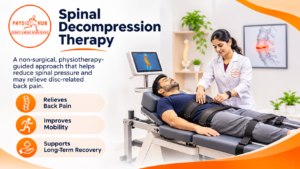
Spinal decompression therapy is a non-surgical treatment that uses a specialised traction table or mechanical device to apply controlled pulling forces to the spine.

The aim is to gently separate spinal segments and temporarily change the forces acting on discs, joints and surrounding tissues.

Your spine contains soft, cushion-like structures called intervertebral discs. These discs sit between the vertebrae and help absorb pressure during daily movement.

When a disc bulges or herniates, it may irritate a nearby nerve. However, not every disc bulge causes pain, and some are found in people without symptoms.

Mechanical decompression is sometimes promoted as a way to reduce disc pressure. Yet there is limited reliable evidence that it permanently restores disc position or provides lasting relief.

Importantly, non-surgical spinal decompression is different from spinal decompression surgery, which may be considered for selected patients with persistent nerve compression.

According to the NICE clinical guidelines, traction is not recommended as a routine treatment for lower back pain with or without sciatica.

What Causes Disc-Related Back Pain, and Why Is Physiotherapy Important?

Disc-related discomfort can develop for several reasons. Sometimes symptoms appear suddenly, while in other cases they build gradually.

Common contributing factors include:

  • Age-related disc changes: Spinal discs naturally lose some water content and flexibility with age.

  • Disc herniation: Disc material can move beyond its usual boundary and sometimes irritate nearby nerves.

  • Repeated physical loading: Frequent heavy lifting or bending may contribute to symptoms in some individuals.

  • Prolonged sitting: Remaining in one position may aggravate existing back discomfort.

  • Reduced physical conditioning: Limited strength and movement tolerance can make everyday tasks harder.

  • Previous back injuries: Earlier episodes may increase the likelihood of recurring discomfort.

For example, someone working at a desk for eight hours may notice increasing stiffness by evening. Another person may experience pain while lifting a heavy suitcase.

Does this always mean a slipped disc? Not necessarily.

A qualified physiotherapist in Malad west can examine movement, muscle strength, nerve symptoms and daily activity patterns to identify possible causes.

Professional Physiotherapy Services in Malad, Mumbai can focus on improving function and helping patients return to activities they have been avoiding.

How Does Spinal Decompression Therapy Work? A Step-by-Step Explanation
physiotherapist in malad Mumbai | physiohub

Before considering any decompression procedure, a detailed assessment is necessary.

A typical clinical process may involve the following steps.

Step 1: Understanding Your Symptoms

The physiotherapist asks about your pain, medical history, previous injuries and activities that make symptoms better or worse.

They may also check whether the pain travels into your legs or affects walking.

Step 2: Physical Examination

Your posture, spinal movement, muscle strength, reflexes and sensation may be assessed.

An MRI is not always necessary. Imaging is usually considered when symptoms, examination findings or treatment decisions justify it.

Step 3: Deciding Whether Traction Is Appropriate

If mechanical traction is being considered, the clinician should explain the uncertain benefits, possible risks and other treatment options.

Current guidelines generally favour active rehabilitation over routine traction.

Step 4: Supervised Application, If Clinically Justified

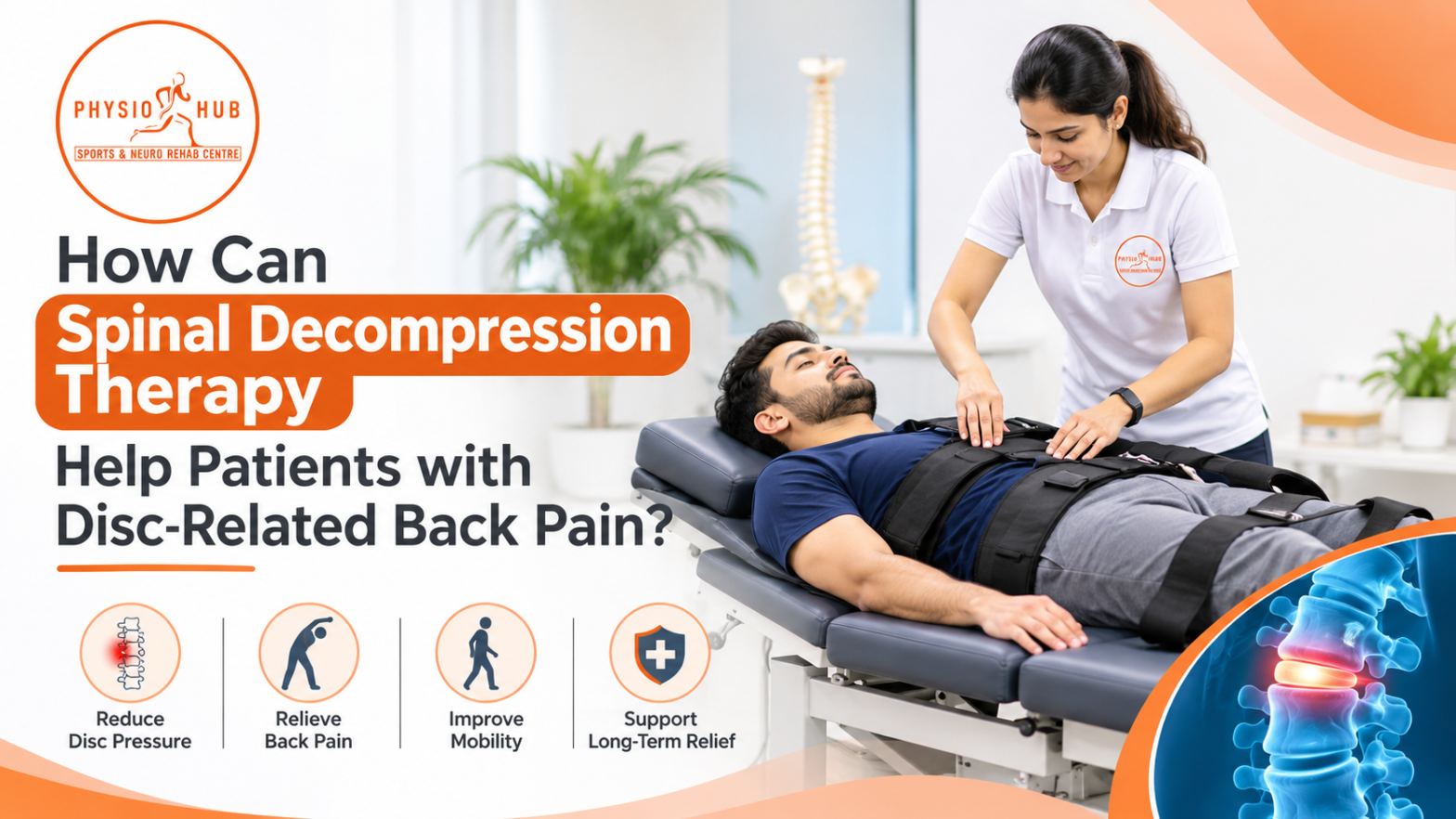
During mechanical traction, a patient lies on a specialised table while a device applies controlled pulling forces.

The settings are adjusted by a trained professional. Treatment should be stopped if symptoms worsen.

Step 5: Rehabilitation and Follow-Up

Regardless of whether traction is used, recovery usually requires more than passive treatment.

A structured programme may include:

  • Gentle mobility exercises

  • Progressive core and hip strengthening

  • Walking and activity progression

  • Guidance on lifting and sitting comfortably

  • Home exercises and regular reassessment

The main goal is to help patients move confidently and manage their symptoms over time.

What Are the Potential Benefits of Spinal Decompression Therapy?

Some patients may report temporary relief following mechanical traction. However, these effects are not consistent across clinical studies.

Possible short-term effects include:

  • Temporary pain relief: Certain individuals may feel more comfortable immediately after treatment.

  • Reduced feeling of stiffness: Gentle stretching may provide a temporary sense of relaxation.

  • Improved movement comfort: Some patients may find certain movements easier for a short period.

  • Support during supervised care: When appropriate, the treatment may be discussed within a broader rehabilitation plan rather than offered alone.

These possibilities should not be confused with proven long-term benefits.

The 2021 Journal of Orthopaedic & Sports Physical Therapy clinical practice guideline found that mechanical traction generally did not add meaningful benefits for chronic lower back pain with leg symptoms when combined with other treatments.

In contrast, appropriate exercise, education and gradual return to activity remain central parts of recommended care.

  • Spinal decompression devices use controlled traction forces.

  • They do not reliably reverse disc herniation.

  • Long-term benefits remain uncertain.

  • Exercise-based physiotherapy has stronger guideline support.

  • Treatment should follow a professional assessment.

Spinal Decompression Therapy vs Other Back Pain Treatments: Which Is Better?

Not every patient needs the same treatment. The right approach depends on symptoms, clinical findings and recovery goals.

Treatment Main Purpose Important Consideration
Spinal decompression traction Apply controlled spinal stretching Not routinely recommended for lower back pain or sciatica
Exercise-based physiotherapy Improve strength, mobility and function Recommended for many patients
Manual therapy Address movement limitations and discomfort Best considered alongside exercise
Medication Manage pain and inflammation when appropriate Requires medical advice and risk assessment
Spinal decompression surgery Relieve selected cases of confirmed nerve compression Considered when clinically indicated

Patients seeking Physiotherapy in Malad, Mumbai may benefit from discussing these options before choosing a treatment.

Those exploring osteopathy in Malad or searching for a Chiropractor in Malad, Mumbai should also understand that manual treatments are not replacements for comprehensive medical assessment.

Who Is a Good Candidate for Spinal Decompression Therapy?

Not everyone with a disc problem is a suitable candidate for mechanical traction.

Patients commonly asking about this treatment include those experiencing:

  • Persistent lower back pain

  • Disc-related leg discomfort

  • Sciatica-like symptoms

  • Recurrent stiffness affecting daily activities

  • Difficulty returning to normal movement after a back pain episode

However, having these symptoms does not automatically mean traction will help.

A physiotherapist near Malad can assess whether active rehabilitation, medical referral or another treatment is more appropriate.

Patients with significant osteoporosis, spinal instability, certain fractures or other serious spinal conditions may be unsuitable for traction.

Seek urgent medical attention if back pain is accompanied by new bladder or bowel control problems, numbness around the groin, or severe or progressive leg weakness.

Patients with other conditions may require different programmes. For example, neck pain treatment in Malad, Mumbai, shoulder pain treatment in Malad, Mumbai, and ACL rehab in Malad involve different rehabilitation goals.

Similarly, individuals needing rehab exercises for knee ligament injuries or knee replacement recovery in Malad Mumbai should receive condition-specific guidance.

How Much Does Spinal Decompression Therapy Cost in Malad, Mumbai?

The cost of treatment can vary depending on the clinic, assessment requirements and overall rehabilitation plan.

Factors that may influence pricing include:

  • Initial consultation: A detailed examination may be charged separately.

  • Treatment approach: Machine-based sessions and supervised exercise programmes may have different costs.

  • Number of visits: The schedule depends on symptoms, progress and clinical need.

  • Additional rehabilitation: Strengthening, mobility training and follow-up assessments may affect overall costs.

  • Professional expertise: The therapist’s qualifications and the level of supervision may influence fees.

Instead of choosing treatment based only on session prices, ask what the programme includes and whether the proposed approach is supported by clinical evidence.

Someone searching for a Physiotherapist near me, Chiropractor Near me, or even the misspelled phrase Physiotheraphy near me should prioritise qualified professionals, transparent pricing and appropriate clinical assessment.

What Are the Latest Trends in Spinal Rehabilitation in 2026?

Spinal rehabilitation continues to move towards personalised, evidence-informed care.

Rather than relying only on machines, physiotherapy increasingly focuses on helping people understand pain and improve their ability to move.

Important approaches in 2026 include:

1. Personalised exercise programmes

Exercise plans can be adapted according to symptoms, fitness levels, physical limitations and daily routines.

2. Active rehabilitation

Patients are encouraged to build strength, improve movement tolerance and return gradually to everyday activities.

3. Digital exercise support

Video demonstrations, home exercise platforms and remote follow-ups can help selected patients practise between appointments. Emerging research supports cautious use under professional supervision.

4. Better patient education

Understanding disc-related pain can reduce unnecessary fear of movement and support informed decisions.

5. Integrated rehabilitation

Patients with neurological conditions may require Neuro physio therapy in Malad or support from a Neuro rehab centre in Mumbai.

A qualified Sports Physiotherapist in Mumbai can also help active individuals return to exercise safely after a back pain episode.

Why Choose PhysioHub – Sports & Neuro Rehab Centre in Malad?

Living with back pain can be tiring, especially when symptoms interrupt work, sleep or everyday activities.

At PhysioHub – Sports & Neuro Rehab Centre, Malad West, rehabilitation focuses on understanding each patient’s symptoms and movement needs.

Led by Dr. Pooja Mehta, PhysioHub provides physiotherapy support for musculoskeletal, sports and neurological conditions.

Patients looking for Physiotherapy in Malad can enquire about assessment, exercise-based rehabilitation, spine care and suitable treatment options.

PhysioHub’s services also cover other rehabilitation needs, including sports injuries, joint discomfort and neurological recovery.

Whether someone needs a Sports Physiotherapist in Malad, guidance for recurring back discomfort or specialist support from a Neuro rehab centre in Malad, Mumbai, the priority should be safe, individualised rehabilitation.

Patients exploring neck pain treatment in Malad Mumbai or shoulder pain treatment in Malad Mumbai can also seek appropriate assessments rather than assuming all spinal or joint symptoms require the same treatment.

FAQs About Spinal Decompression Therapy

1. Can spinal decompression therapy cure a slipped disc?

No. Mechanical decompression has not been shown to reliably cure or permanently reposition a slipped disc. Many disc-related symptoms improve with appropriate conservative care.

2. Is spinal decompression therapy painful?

Mechanical traction is intended to be controlled, but some patients may experience discomfort or worsening symptoms. The procedure should be stopped if this happens.

3. How many spinal decompression sessions are needed?

There is no established ideal number of sessions. Because routine traction is not recommended by major guidelines, repeated sessions should not be assumed necessary.

4. Can physiotherapy help disc-related back pain without surgery?

Yes. Many patients improve with exercise-based physiotherapy, education, activity changes and appropriate medical care. Surgery is considered for selected cases.

5. When should I consult a physiotherapist for back pain?

Consult a physiotherapist when pain keeps returning, limits everyday movement or fails to improve. Seek prompt medical evaluation for worsening weakness or significant nerve symptoms.

Take the First Step Towards Better Spine Health

Back pain should not have to control how you work, move or enjoy your day.

If you experience persistent lower back discomfort, leg pain or difficulty with everyday movements, getting a proper assessment is a sensible first step.

At PhysioHub – Sports & Neuro Rehab Centre, Malad West, patients can explore personalised rehabilitation options designed around their condition and recovery goals

Move with confidence. Build strength. Take care of your spine.

For more information contact:

PhysioHub -sports &neuro rehab centre
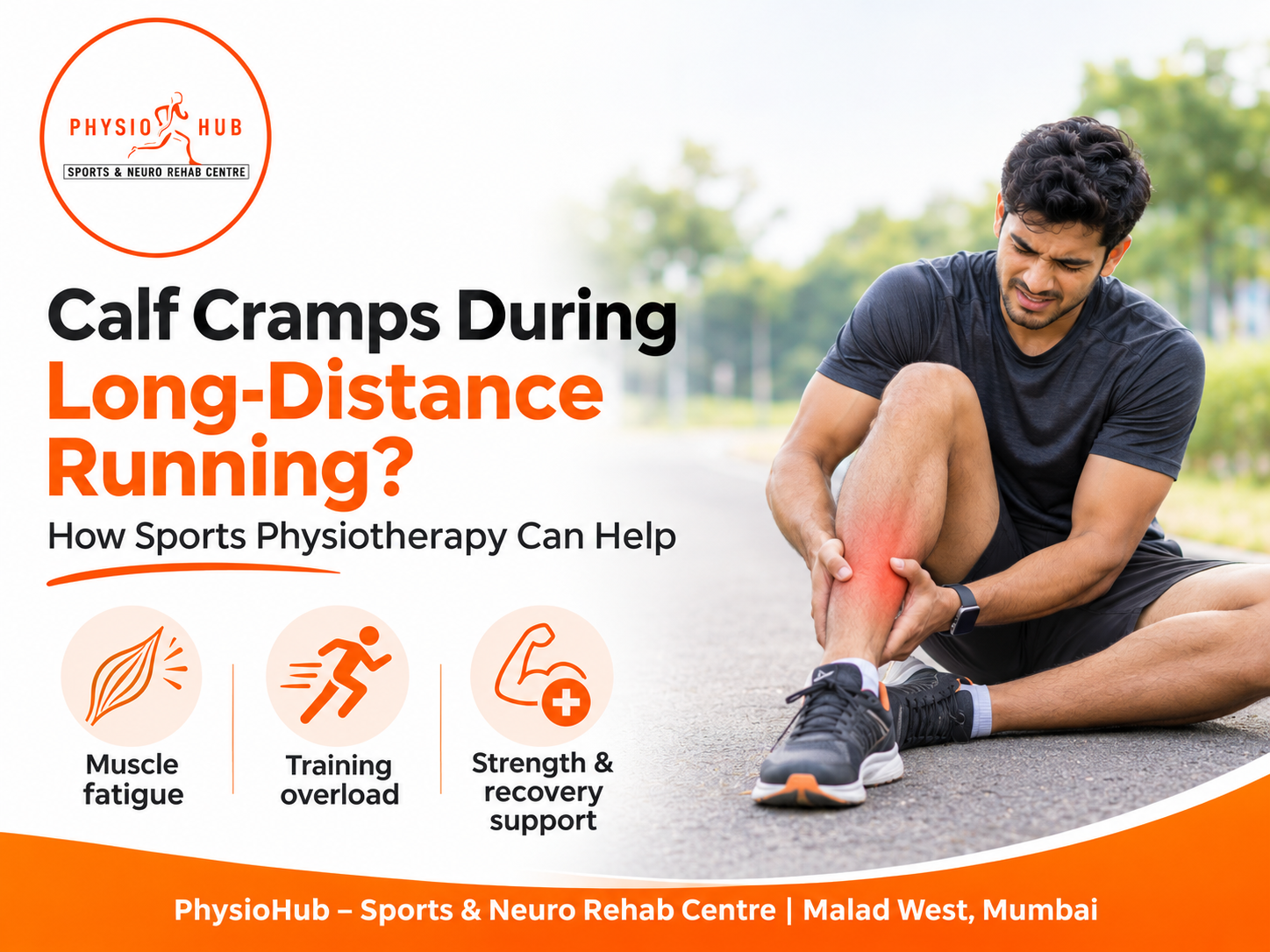
 

Imagine you’re halfway through your morning run, feeling energetic and maintaining a comfortable pace. Suddenly, your calf tightens, making every step painful. You slow down, stretch your leg, and wonder why this keeps happening.

Sound familiar?

Calf cramps are a frustrating problem for long-distance runners, marathon participants, and fitness enthusiasts. They can appear without much warning, interrupt training sessions, and leave you worried about your next run.

Many runners assume calf cramps happen only because of dehydration or low electrolytes. However, the real explanation is often more complicated. Muscle fatigue, training demands, running mechanics, and individual physical factors may all play a role.

Ignoring repeated cramps can affect your confidence and training consistency. That’s why understanding your body’s response to long-distance running matters.

With guidance from a physiotherapist in Malad, Mumbai, runners can assess muscle strength, movement patterns, and possible triggers behind recurring cramps.

At PhysioHub – Sports & Neuro Rehab Centre, sports physiotherapy in Malad focuses on identifying movement problems, improving physical capacity, and helping runners return to training with greater confidence.

Why Do Calf Cramps Occur During Long-Distance Running?

Calf cramps during long-distance running are sudden, painful, involuntary muscle contractions. They may be linked to muscle fatigue, running demands, previous cramping episodes, and individual physical factors. Sports physiotherapy helps assess possible triggers, improve calf strength and endurance, guide training changes, and develop personalised strategies to manage recurring cramps.

What Are Calf Cramps During Long-Distance Running?

A calf cramp is a sudden, uncontrollable tightening of the muscles at the back of your lower leg. It commonly affects the gastrocnemius or soleus muscle, which helps you walk, run, and push off the ground.

During long-distance running, these muscles work repeatedly to support your body and propel you forward.

When a cramp occurs, you may experience:

  • Sudden, sharp pain in the calf.

  • A tight or hard feeling in the muscle.

  • Difficulty walking or continuing to run.

  • Temporary stiffness or tenderness after the cramp.

Most exercise-related cramps settle within a short period. However, recurring cramps deserve attention, especially when they affect your training.

What Causes Calf Cramps During Long-Distance Running?

There isn’t always one clear reason for calf cramps. Research suggests exercise-associated muscle cramping can involve several interacting factors.

Some possible contributors include:

  • Muscle fatigue: Running longer or harder than your muscles are prepared for may contribute to cramping.

  • Sudden training increases: Rapid changes in running distance, speed, or intensity may place unfamiliar demands on the calves.

  • Limited muscular endurance: Your calf muscles may struggle to maintain repeated contractions throughout a long run.

  • Running mechanics: Stride patterns and movement habits can influence how much work your calf muscles perform.

  • Hydration and nutrition: These remain important for general performance and health, although dehydration or electrolyte loss does not explain every running cramp.

  • Previous cramping history: Runners who have experienced exercise-related cramps may be more likely to experience them again.

A 2026 systematic review involving 11,274 participants found that a previous history of exercise-associated cramps was associated with approximately 4.4 times higher odds of future cramping. Other proposed risk factors showed less consistent evidence.

This is why a personalised assessment can be more useful than relying on a single prevention tip.

How Does Sports Physiotherapy Help Manage Calf Cramps?

physiotherapist in malad | physiohub

Sports physiotherapy in Malad takes a structured approach to understanding why cramps may occur and what a runner can do about them.

A Sports Physiotherapist in Mumbai may use the following steps:

Step 1: Assess Muscle Strength and Flexibility

The physiotherapist examines calf strength, ankle mobility, muscle endurance, and any pain or stiffness.

This helps identify physical limitations that may affect running comfort.

Step 2: Evaluate Running Mechanics

Your walking and running movements may be assessed to understand how your calves handle repeated loading.

For example, a runner who places high demands on the forefoot may require specific calf-strengthening or technique advice.

Step 3: Develop a Strengthening Programme

Exercises may include:

  • Standing calf raises.

  • Bent-knee calf raises.

  • Controlled heel-lowering exercises.

  • Single-leg balance training.

  • Progressive calf endurance exercises.

The number of repetitions and difficulty should match the runner’s current capacity.

Step 4: Guide Recovery and Training

A physiotherapist may recommend changes to running volume, intensity, rest periods, and recovery routines.

Appropriate stretching and hands-on treatment may also be considered when clinically indicated.

Step 5: Support a Gradual Return to Running

Progress is reviewed through strength, endurance, symptoms, and running tolerance.

The aim is to help runners manage discomfort and build the capacity needed for their chosen distance.

Sports physiotherapy combines physical assessment, targeted strengthening, running-load management, and recovery guidance. Its goal is to address individual factors that may contribute to recurring calf cramps.

What Are the Benefits of Sports Physiotherapy for Runners?

Regular sports physiotherapy in Malad can support runners in several ways, particularly when cramps are frequent or affect performance.

  • Improved calf strength: Progressive exercises help muscles manage the repeated demands of running.

  • Better muscular endurance: Endurance training may help calves tolerate longer running sessions.

  • Improved movement control: Gait assessment can identify movement patterns worth addressing.

  • Personalised injury prevention: Rehabilitation considers previous injuries, physical limitations, and training goals.

  • Greater running confidence: A structured programme helps runners understand how to progress safely.

For athletes searching for a Sports Physiotherapist in Malad, an individual assessment can help identify whether calf cramps are related to training demands or require further medical investigation.

Sports Physiotherapy vs Home Remedies: Which Is Better for Calf Cramps?

Many runners try stretching, drinking water, or taking electrolytes whenever cramps occur.

These approaches may be useful in certain situations, but they do not always address recurring symptoms.

Approach Main purpose Limitations
Gentle stretching Relieves an active cramp Does not identify recurring triggers
Hydration Supports normal fluid balance May not prevent all cramps
Massage May temporarily ease muscle discomfort Limited evidence for preventing recurrence
Sports physiotherapy Assesses strength, endurance, movement, and training Requires consistent participation
Guided strength training Builds muscular capacity over time Needs appropriate progression

Evidence-based sports medicine reviews support gentle static stretching for immediate relief and individualised assessment for preventing future episodes.

If a calf suddenly cramps during running, stop, gently stretch the affected muscle, and avoid forcing yourself to continue through severe pain.

Who Should Consult a Sports Physiotherapist for Calf Cramps?

Not every occasional calf cramp requires treatment. However, repeated episodes shouldn’t become something you simply accept as part of running.

Consider consulting a physiotherapist if:

  • Your calves cramp regularly during long runs.

  • You experience repeated tightness despite adjusting your training.

  • Calf discomfort affects your running distance or speed.

  • You are preparing for a marathon or endurance event.

  • You are returning to running after a lower-limb injury.

  • You experience recurring calf problems alongside ankle or knee discomfort.

A professional assessment can also benefit runners recovering from previous injuries.

For example, someone undergoing ACL rehab in Malad may need progressive lower-limb strengthening before returning to demanding running activities.

Important: Sudden calf swelling, redness, warmth, severe persistent pain, or unusual weakness needs medical assessment. Seek urgent care for calf symptoms accompanied by chest pain or breathlessness.

How Much Does Sports Physiotherapy for Calf Cramps Cost in Malad?

The cost of physiotherapy near Malad, Mumbai depends on the type of assessment, individual treatment needs, and rehabilitation programme.

Common pricing factors include:

  • Initial consultation: A detailed assessment may involve strength, mobility, and movement testing.

  • Treatment requirements: Sessions may involve exercise therapy, manual therapy, or specialised rehabilitation techniques.

  • Number of sessions: Recurring problems may require a longer strengthening programme.

  • Individual goals: Marathon preparation and post-injury rehabilitation may involve different levels of support.

Rather than choosing treatment based only on session fees, consider the physiotherapist’s qualifications, assessment process, and approach to personalised rehabilitation.

For current consultation charges, contact PhysioHub directly.

What Are the Latest Sports Physiotherapy Trends for Runners in 2026?

Sports rehabilitation continues to evolve, with growing attention to personalised training, objective movement assessment, and rehabilitation monitoring.

Some developments relevant to runners include:

  • Wearable fitness technology: Smartwatches and fitness devices can help track running distance, heart rate, and training patterns.

  • Sensor-based gait analysis: Wearable movement sensors are being studied for their ability to assess running mechanics and loading.

  • Individualised strength programmes: Exercise plans can be adjusted according to the runner’s current capacity and rehabilitation progress.

  • Training-load monitoring: Reviewing running volume and intensity helps support gradual progression.

The American College of Sports Medicine identified wearable technology as its leading fitness trend for 2026. A systematic review published in January 2026 also highlighted the emerging use of wearable sensors in gait analysis and sports rehabilitation.

These technologies can support clinical decisions, but they do not replace professional assessment or guarantee that cramps can be prevented.

Why Choose PhysioHub – Sports & Neuro Rehab Centre in Malad?

When calf cramps repeatedly interrupt your runs, understanding the possible cause is an important first step.

At PhysioHub – Sports & Neuro Rehab Centre, runners can access physiotherapy services focused on sports rehabilitation, muscle strength, mobility, and movement recovery.

The centre is led by Dr. Pooja Mehta, who has over 17 years of experience and a background in sports physiotherapy, osteopathy, and musculoskeletal rehabilitation.

drpoojaphysiohub.com

PhysioHub’s approach includes:

  • Individual physiotherapy assessments.

  • Sports injury rehabilitation and strengthening.

  • Mobility and movement improvement.

  • Personalised exercise programmes.

  • Rehabilitation guidance based on individual goals.

Alongside sports rehabilitation, PhysioHub offers other Physiotherapy Services in Malad, Mumbai, including neck pain treatment in Malad Mumbai, shoulder pain treatment in Malad Mumbai, osteopathy in Malad, and neuro physiotherapy in Malad.

Its wider rehabilitation services also address knee replacement recovery in Malad Mumbai, rehab exercises for knee ligament injuries, and neurological conditions requiring specialised care.

For people seeking a Neuro rehab centre in Malad, Mumbai, or a Chiropractor in Malad, Mumbai, the clinic provides additional rehabilitation and manual therapy services.

The goal is to help individuals understand their physical limitations and work towards better everyday movement and sporting activity.

Frequently Asked Questions (FAQs)

1. Why do my calves cramp during long-distance running?

Calf cramps may occur due to muscle fatigue, training demands, and individual physical factors. Previous cramping episodes are also associated with a higher risk of recurrence. A sports physiotherapist can help assess possible contributing factors.

2. Can sports physiotherapy prevent calf cramps while running?

Sports physiotherapy may help reduce individual risk factors through strengthening, endurance exercises, running assessments, and training guidance. However, no treatment can guarantee complete prevention of exercise-related cramps.

3. What should I do immediately when my calf cramps during a run?

Stop running and gently stretch the affected calf. Rest until the cramp settles, and avoid pushing through severe pain. If cramps repeatedly interrupt your runs, seek professional advice.

4. Should I continue running if my calves keep cramping?

Continuing through painful or repeated cramps is not advisable. Reduce or stop the activity, assess your symptoms, and seek guidance if the problem continues. Returning gradually is generally safer than forcing yourself through discomfort.

5. When should I visit a physiotherapist for recurring calf cramps?

If calf cramps regularly affect your running distance, training routine, or comfort, consult a physiotherapist. A qualified professional can assess muscle function, identify possible triggers, and recommend a suitable rehabilitation plan.

Take the Next Step Towards Comfortable Running

Calf cramps shouldn’t repeatedly hold you back from enjoying your runs.

Whether you’re preparing for a marathon, building your running endurance, or struggling with recurring calf tightness, professional assessment can help you understand what your muscles need.

At PhysioHub – Sports & Neuro Rehab Centre, Dr. Pooja Mehta and her team provide personalised sports rehabilitation and physiotherapy services.

For more information contact:

PhysioHub -sports &neuro rehab centre

Are you experiencing neck stiffness after long office hours, knee pain while climbing stairs, or shoulder discomfort that refuses to go away? You may have considered physiotherapy but wondered, “How much will it cost, and how many sessions will I need?”

It’s a common concern, especially when you’re already managing medical expenses or recovering from an injury.

When searching for a physiotherapist in Malad, Mumbai, you’ll notice that treatment charges vary between clinics. Some offer basic pain management, while others provide specialised rehabilitation for sports injuries, neurological conditions, and post-surgical recovery.

But does paying more always mean better treatment? Not necessarily.

The right physiotherapy programme depends on your condition, the therapist’s experience, the treatment methods used, and your recovery goals.

At PhysioHub, led by Dr. Pooja Mehta, physiotherapy focuses on understanding the patient’s movement difficulties and developing an individual rehabilitation approach.

This guide explains expected physiotherapy costs in Mumbai, what influences session charges, and how to choose suitable care without compromising your recovery.

How Much Does a Physiotherapy Session Cost?

A physiotherapy session in Mumbai generally costs around ₹600 to ₹2,000, depending on the clinic, treatment complexity, therapist’s experience, and session duration. Specialist rehabilitation and home visits may cost more. The exact cost of physiotherapy in Malad Mumbai depends on your assessment, treatment plan, and number of sessions required.

What Is Physiotherapy, and What Does a Physiotherapy Session Include?

Physiotherapy is a healthcare treatment that helps people improve movement, manage pain, regain strength, and recover physical function after injury, illness, or surgery.

It combines movement exercises, hands-on techniques, patient education, and selected therapeutic equipment based on individual needs.

A typical session of physiotherapy in Malad, Mumbai may involve:

  • Physical assessment: Understanding pain, posture, joint mobility, muscle strength, and daily movement limitations.

  • Manual therapy: Hands-on techniques to support joint mobility and manage muscle discomfort when appropriate.

  • Therapeutic exercises: Guided movements designed to improve strength, flexibility, and stability.

  • Pain management: Selected treatments such as TENS, ultrasound, or laser therapy where clinically indicated.

  • Home exercise guidance: Simple exercises and activity advice to support progress between appointments.

For example, someone with neck stiffness from desk work may need posture education and strengthening exercises.

A person recovering from knee surgery may require a more detailed rehabilitation programme involving strength, balance, and walking practice.

Both need physiotherapy, but their treatment plans and costs can differ significantly.

Why Do People Need Physiotherapy Services?

Pain doesn’t always begin with a serious injury. Sometimes, it develops slowly because of daily habits, repetitive movements, or reduced physical activity.

People commonly seek Physiotherapy Services in Malad, Mumbai for:

  • Neck and shoulder pain: Prolonged laptop use, poor workstation setup, and repetitive activities can contribute to discomfort. Individuals may seek neck pain treatment in Malad Mumbai or shoulder pain treatment in Malad Mumbai.

  • Sports injuries: Running, cricket, badminton, and gym workouts can lead to muscle strains, ligament injuries, and joint problems.

  • Knee problems: Arthritis, ligament injuries, and post-surgical stiffness may affect walking and stair climbing.

  • Neurological conditions: Stroke, Parkinson’s disease, and nerve-related movement difficulties may require specialised rehabilitation.

  • Post-surgical recovery: Physiotherapy helps patients work towards restoring mobility, strength, and independence after certain surgeries.

  • Persistent back pain: Reduced mobility, muscle weakness, and prolonged sitting may contribute to recurring discomfort.

Seeking appropriate care early can help address movement problems before they become harder to manage.

How Does a Physiotherapy Treatment Plan Work at PhysioHub?

physiotherapist in Malad Mumbai | Physiohub

If you’re visiting a physiotherapy clinic for the first time, you might wonder what happens beyond the initial consultation.

At PhysioHub, rehabilitation is centred on understanding your condition and helping you work towards functional goals.

Step 1: Initial Assessment

The physiotherapist discusses your symptoms, medical history, lifestyle, and any previous injuries.

Movement, strength, flexibility, posture, and functional difficulties may also be assessed.

Step 2: Identifying Your Rehabilitation Needs

Not every patient needs the same treatment.

Someone requiring ACL rehab in Malad Mumbai may need a progressive strengthening and stability programme, while a patient with shoulder stiffness may need mobility exercises and gradual strengthening.

Step 3: Creating a Personalised Treatment Plan

The therapist recommends appropriate exercises, rehabilitation techniques, and an estimated review schedule.

Your treatment plan may change depending on your symptoms and response.

Step 4: Guided Treatment Sessions

Sessions may involve exercise therapy, movement retraining, manual techniques, or suitable therapeutic equipment.

Step 5: Monitoring Recovery

Progress is reviewed through improvements in pain, strength, joint movement, and everyday activities.

This helps determine whether continued sessions, modified exercises, or further medical assessment are needed.

What Are the Benefits of Choosing Professional Physiotherapy?

Good physiotherapy is not only about temporary pain relief. It also helps patients understand their bodies and build confidence in movement.

Important benefits include:

  • Better mobility: Helps improve joint movement and flexibility.

  • Improved strength: Supports muscles needed for walking, lifting, balance, and sports activities.

  • Pain management: Exercise-based rehabilitation can help manage certain musculoskeletal conditions.

  • Post-injury recovery: Structured rehab exercises for knee ligament injuries can support a gradual return to activity.

  • Improved independence: Neurological rehabilitation can help patients practise daily movements and functional tasks.

  • Reduced fear of movement: Guided exercises help patients understand which activities are appropriate during recovery.

  • Long-term self-management: Home exercises and movement education help patients maintain progress.

Consider someone who avoids stairs because of knee pain. The goal isn’t simply to reduce discomfort during a session. It’s to help that person build enough strength and confidence to manage everyday activities more comfortably.

That is why a well-planned rehabilitation programme matters.

Physiotherapy costs depend on the care you need, not just the equipment used. A proper assessment, individual treatment plan, supervised exercises, and progress reviews are important when comparing clinics.

Physiotherapy at a Clinic vs Home Visits: Which Is Better?

Both clinic-based physiotherapy and home visits can support rehabilitation. The better option depends on your condition, mobility, convenience, and treatment requirements.

Factor Clinic Physiotherapy Home Physiotherapy
Treatment setting Dedicated rehabilitation centre Patient’s home
Equipment Access to clinic-based equipment Mostly portable equipment
Convenience Requires travel Convenient for limited mobility
Supervision Direct therapist guidance Direct therapist guidance
Cost Generally more affordable May include travel charges
Suitable for Sports rehab, exercise programmes, specialised treatment Elderly patients, mobility limitations, selected post-surgical cases

People searching for a “physiotherapist near me” or “physiotherapy near me” should consider more than distance or price.

For example, someone seeking knee replacement recovery in Malad Mumbai may benefit from access to suitable rehabilitation equipment, while a person with severe mobility limitations may find home-based sessions more practical.

Who Should Consider Physiotherapy?

Physiotherapy can help people of different ages and activity levels.

You may benefit from an assessment if you are:

  • An office professional experiencing recurring neck or back pain.

  • An athlete seeking a Sports Physiotherapist in Malad.

  • Recovering from ACL surgery, fractures, or joint replacement.

  • Experiencing persistent shoulder or knee stiffness.

  • Looking for neuro physiotherapy in Malad Mumbai after a stroke.

  • An older adult struggling with balance or walking.

  • Managing a condition that affects everyday movement.

For complex neurological conditions, choosing a qualified team at a Neuro rehab centre in Malad, Mumbai, or a Neuro rehab centre in Mumbai may be important.

Patients exploring osteopathy in Malad or searching for a Chiropractor near me, should also check the practitioner’s qualifications, treatment approach, and suitability for their condition.

What Factors Affect Physiotherapy Session Costs in Mumbai?

The cost of physiotherapy in Mumbai varies because every patient’s rehabilitation needs are different.

Published 2026 market estimates suggest the following indicative charges. These are not PhysioHub’s confirmed prices.

Physiotherapy service Indicative cost
Initial physiotherapy assessment ₹800–₹1,800
Regular clinic follow-up ₹600–₹1,500
Specialist rehabilitation session ₹1,500–₹2,000 or more
Home physiotherapy visit ₹800–₹2,000 or more

Your final treatment cost may depend on:

  • Condition: Simple muscle discomfort and complex neurological rehabilitation require different levels of care.

  • Treatment duration: Longer or more intensive sessions may have higher charges.

  • Therapist’s expertise: Specialist experience in sports or neurological rehabilitation may affect fees.

  • Equipment: Advanced rehabilitation technology may involve additional costs.

  • Session frequency: Some patients need short-term care, while others require rehabilitation over several weeks or months.

For example, eight sessions priced at ₹1,000 each would cost ₹8,000, excluding any separate assessment charges.

Before beginning treatment, ask about the cost per session, expected frequency, review schedule, and any additional fees. Session estimates should be revised as your recovery progresses.

What Are the Latest Physiotherapy Trends in 2026?

Physiotherapy in 2026 increasingly combines traditional rehabilitation techniques with technology-supported assessment.

Some developing approaches include:

  • Personalised rehabilitation: Exercise programmes designed around individual goals and abilities.

  • Movement tracking: Wearable sensors and digital tools that help measure movement quality.

  • Technology-supported recovery: Selected clinics use specialised equipment alongside active rehabilitation.

  • Sports-specific programmes: Rehabilitation that focuses on strength, balance, agility, and safe return to sport.

  • Hybrid rehabilitation: Combining in-person assessments with remote exercise guidance where appropriate.

A 2026 review covering 55 studies found that sensor-based technologies may support movement assessment and exercise feedback. However, larger clinical studies are still needed to establish their long-term benefits.

Technology can support treatment, but it cannot replace a qualified clinical assessment.

Why Choose PhysioHub in Malad,Mumbai?

When dealing with ongoing pain or recovering from an injury, finding a physiotherapist who understands your needs is important.

PhysioHub Advance Sports Rehab & Neuro, led by Dr. Pooja Mehta, provides rehabilitation services with a focus on sports injuries, neurological conditions, and musculoskeletal recovery.

Patients may seek support for:

  • Sports injury rehabilitation and ACL recovery.f

  • Shoulder pain treatment in Malad, Mumbai.

  • Knee pain and post-surgical rehabilitation.

  • Neuro rehabilitation and movement difficulties.

  • Physiotherapy-led mobility and strengthening programmes.

PhysioHub also offers selected advanced treatment technologies, including laser therapy, shockwave therapy, and spinal decompression, when appropriate to the patient’s clinical needs.

Whether you’re comparing a Sports Physiotherapist in Mumbai, a physiotherapist in Malad West, or a Chiropractor in Malad Mumbai, prioritise professional qualifications, suitable assessment, and transparent treatment planning.

Frequently Asked Questions About Physiotherapy Costs in Mumbai

1. How much does one physiotherapy session cost in Mumbai?

A typical clinic session may cost approximately ₹600–₹2,000. Charges vary according to treatment complexity, professional expertise, and the clinic. Specialist or home-based care may cost more.

2. How many physiotherapy sessions are needed for pain relief?

There is no fixed number. Some people improve within a few sessions, while others need longer rehabilitation. Your physiotherapist will assess your progress and recommend an appropriate schedule.

3. Is physiotherapy expensive in Malad West?

Physiotherapy charges vary between clinics. Compare the assessment process, treatment quality, session duration, and professional expertise rather than choosing solely on price.

4. Is physiotherapy helpful for sports injuries and knee pain?

Yes. Physiotherapy can support strength, movement, balance, and functional recovery after many sports injuries. The programme depends on the injury, its severity, and medical advice.

5. Should I choose a physiotherapist or chiropractor for back pain?

The appropriate professional depends on your diagnosis and treatment needs. A physiotherapist can assess movement problems and provide exercise-based rehabilitation. Seek medical evaluation for severe symptoms, progressive weakness, or bladder or bowel changes.

Take the First Step Towards Better Movement with PhysioHub

Pain should not have to control your routine, work, or favourite activities.

If you’re considering physiotherapy in Malad, start with a professional assessment to understand your condition, treatment options, and likely rehabilitation costs.

At PhysioHub, Dr. Pooja Mehta and the rehabilitation team focus on helping patients work towards better mobility, strength, and confidence through individual treatment planning.

Book a physiotherapy consultation at PhysioHub Advance Sports Rehab & Neuro, Malad West, Mumbai, to discuss your condition and obtain current treatment charges.

For more information contact:

PhysioHub


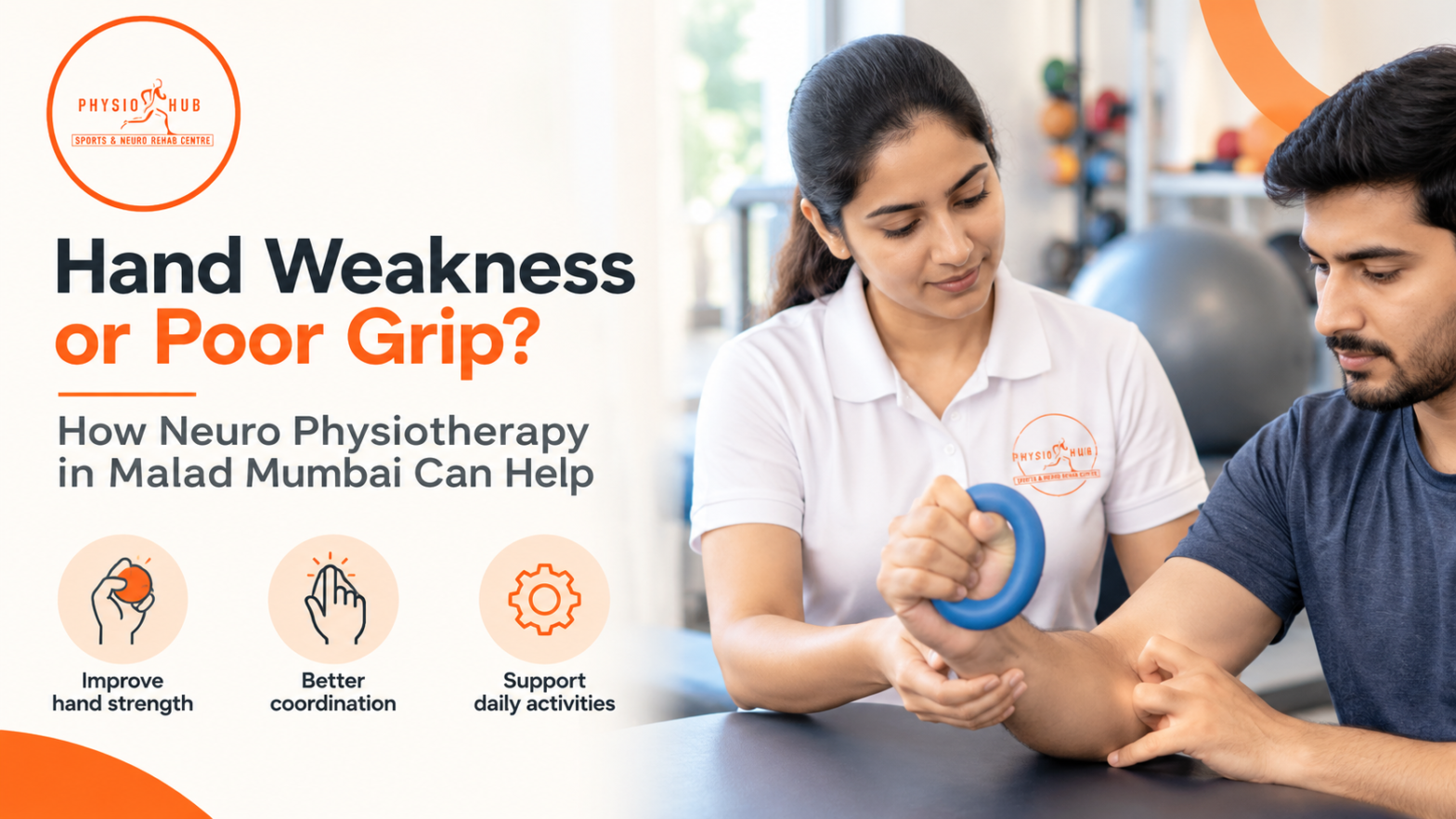
Have you started dropping your phone more often? Does opening a bottle, holding a cup, turning a key or buttoning a shirt feel harder than it used to? These may seem like small inconveniences, but when hand weakness or poor grip begins affecting everyday tasks, it deserves attention.

Hand function depends on more than muscle strength. Your brain, nerves, muscles, joints and coordination all need to work together. A change anywhere in this system may affect how firmly you grip an object or how accurately you move your fingers.

At PhysioHub, a physiotherapist in Malad, Mumbai assesses how your hand and arm are functioning rather than looking only at the symptom. For people with neurological movement difficulties, Neuro physio therapy in Malad may focus on strength, coordination, movement control and functional activities.

The aim is practical: helping you use your hand more confidently during the activities that matter in everyday life.

Can Neuro Physiotherapy Help With Hand Weakness and Poor Grip?

Neuro physiotherapy may help improve hand strength, coordination and functional movement when weakness or poor grip is associated with a neurological or nerve-related condition. Treatment begins with an assessment and may include strengthening, coordination exercises, task-specific practice and movement retraining based on the person’s abilities and rehabilitation goals.

What Is Neuro Physiotherapy for Hand Weakness?

Neuro physiotherapy is rehabilitation designed for people whose movement and physical function have been affected by the nervous system.

When the hand is involved, the problem may not simply be that the muscles are “weak.” A person may have difficulty activating certain muscles, coordinating the fingers, controlling the wrist or performing a precise movement.

For example, someone may have enough strength to squeeze a therapy ball but still struggle to pick up a coin or hold a spoon steadily.

A physiotherapist in Malad West may therefore assess the whole upper limb, including the shoulder, elbow, wrist, hand and fingers. The therapist may also look at sensation, coordination and how the hand performs during real tasks.

This helps create a rehabilitation programme based on what the person actually needs.

Hand weakness is not always only a strength problem. Neuro physiotherapy looks at strength, coordination, movement control and the ability to perform everyday tasks.

What Can Cause Weak Grip or Difficulty Holding Objects?

There are many possible reasons for changes in hand function. This is why an assessment matters before starting exercises on your own.

Possible factors may include:

  • Neurological conditions affecting movement and coordination
  • Recovery after a stroke or other neurological event
  • Peripheral nerve involvement
  • Reduced muscle activation or strength
  • Poor hand and finger coordination
  • Changes in sensation
  • Reduced wrist or finger mobility
  • Long periods of reduced hand use
  • Injury or recovery after surgery
  • Difficulty controlling the arm and hand together

You might first notice the problem during ordinary activities. A coffee mug suddenly feels heavier. Writing for several minutes becomes tiring. You struggle with buttons or zips. Objects occasionally slip from your hand.

These changes do not automatically indicate a serious neurological condition. However, persistent or worsening weakness should be medically assessed, particularly when it appears suddenly or occurs with other neurological symptoms.

How Does Neuro Physiotherapy for Hand Function Work?

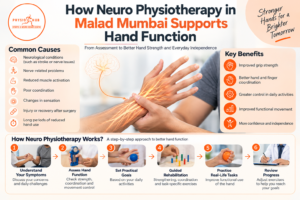
neurophysiotherapist in malad mumbai | physiohub

At a Neuro rehab centre in Malad Mumbai, rehabilitation should begin by understanding what the patient can currently do and which activities are difficult.

Step 1: Understanding Your Symptoms

Your physiotherapist may ask when the weakness started, whether one or both hands are affected and which everyday activities have become difficult.

Your medical history, previous injuries and neurological diagnosis, when applicable, are also important.

Step 2: Assessing Hand and Arm Function

The assessment may look at:

  • Grip and hand strength
  • Finger and wrist movement
  • Coordination
  • Muscle control
  • Upper-limb mobility
  • Functional use of the hand
  • Ability to grasp and release objects
  • Everyday activities that matter to the patient

Step 3: Setting Practical Goals

Goals should connect rehabilitation to daily life.

For one person, the goal might be holding a glass safely. For another, it could be writing, using a computer, cooking or returning to work.

Step 4: Guided Rehabilitation

Depending on the findings, Physiotherapy in Malad, Mumbai may involve strengthening exercises, coordination activities, repetitive task practice and functional movement training.

Exercises should be adjusted to the person rather than following the same routine for everyone.

Step 5: Practising Real-Life Tasks

Rehabilitation becomes more meaningful when it connects with everyday activities.

A therapist may incorporate safe practice involving gripping, reaching, holding, releasing or manipulating suitable objects. This can help bridge the gap between an exercise session and daily independence.

Step 6: Reviewing Progress

Hand function may change gradually. Regular reassessment allows the physiotherapist to adjust the difficulty and type of exercises according to progress.

Neuro rehabilitation usually follows a simple pathway: assess the problem, identify meaningful goals, practise targeted movements and gradually progress toward everyday activities.

What Are the Benefits of Neuro Physiotherapy for Hand Weakness?

The potential benefits depend on the underlying condition and severity of impairment. A personalised programme may support:

  • Better grip strength
  • Improved hand and finger coordination
  • Better control while grasping and releasing
  • Improved upper-limb movement
  • Greater confidence during daily activities
  • Better ability to practise functional tasks
  • Improved independence where achievable
  • Structured progression instead of random exercises

A Neuro rehab centre in Mumbai may also address other movement difficulties when hand weakness occurs alongside problems with walking, balance or general mobility.

Neuro Physiotherapy vs General Exercise: What’s the Difference?

Approach Neuro Physiotherapy General Exercise
Assessment Based on neurological and functional movement needs Usually general fitness focused
Programme Personalised to specific limitations Often follows a standard routine
Main focus Movement control, coordination and function General strength and fitness
Daily tasks Can include task-specific practice Usually not the main focus
Progression Adjusted according to response and goals Often based on exercise difficulty
Supervision Guided by a trained professional May be independent

General exercise can still play an important role in staying active. However, someone experiencing neurological hand weakness may need a more targeted approach.

Who May Need Neuro Physiotherapy for Hand Weakness?

Consider seeking professional assessment if you notice:

  • Your grip has become noticeably weaker
  • Objects frequently slip from your hand
  • One hand is harder to use than the other
  • Buttoning clothes has become difficult
  • Writing or typing has become harder
  • Holding cutlery or a cup feels challenging
  • Your fingers feel difficult to coordinate
  • Hand weakness is affecting work or hobbies
  • Hand function has changed after a neurological condition

Searching online for a Physiotherapist near me or Physiotheraphy near me may be a starting point, but the important part is finding care appropriate for your specific condition.

Sudden new weakness, particularly with facial drooping, speech difficulty, severe headache, confusion or weakness on one side of the body, requires urgent medical attention rather than waiting for a routine physiotherapy appointment.

How Much Does Neuro Physiotherapy Cost?

There is no single cost that applies to every neuro rehabilitation programme. The overall cost may vary depending on:

  • Initial assessment requirements
  • Complexity of the condition
  • Duration of each session
  • Frequency of therapy
  • Number of sessions required
  • Individual rehabilitation goals
  • Additional rehabilitation techniques required

Rather than choosing treatment based only on the lowest session price, consider whether the programme includes a detailed assessment, personalised goals and progress reviews.

For current pricing at PhysioHub, patients can contact the clinic directly before booking an assessment.

What Are the Neuro Physiotherapy Trends in 2026?

Neuro rehabilitation continues to move toward more personalised and function-focused care.

One important direction is task-specific rehabilitation. Instead of practising movement only in isolation, rehabilitation increasingly connects exercises with activities the patient actually wants or needs to perform.

Progressive strengthening, repetitive practice and measurable functional goals also remain important parts of modern rehabilitation.

Technology can support rehabilitation in selected settings, but it does not replace clinical assessment. The most useful programme is still one designed around the individual’s condition, abilities and goals.

For patients exploring physiotherapy in Mumbai, this means looking beyond equipment alone and asking how treatment will translate into better everyday function.

Why Choose PhysioHub in Malad Mumbai?

PhysioHub provides Physiotherapy Services in Malad, Mumbai for people with neurological, musculoskeletal and sports rehabilitation needs.

Care begins with an assessment so the rehabilitation plan can reflect the person’s movement difficulties and goals.

Depending on individual requirements, services include:

People searching for a physiotherapist in Malad, Sports Physiotherapist in Mumbai, Chiropractor in Mumbai, Chiropractor Near me or physiotherapy in Mumbai can consult PhysioHub in Malad West for an assessment based on their individual needs.

FAQs About Hand Weakness and Neuro Physiotherapy

1. Can neuro physiotherapy improve weak hand grip?

Neuro physiotherapy may help improve strength, coordination and functional hand use when weakness is related to a neurological or nerve-related condition. Results depend on the underlying cause, severity and individual response to rehabilitation.

2. Why do I keep dropping things from my hand?

Dropping objects can have several causes, including weakness, reduced coordination, sensory changes, pain or nerve-related problems. A professional assessment can help identify what may be affecting your grip.

3. What exercises are used for poor hand coordination?

Exercises vary according to the condition. They may include controlled gripping and releasing, finger movements, strengthening, coordination tasks and practice of everyday activities. Exercises should be selected after assessment.

4. How long does neuro physiotherapy take to improve hand function?

There is no fixed timeline. Recovery depends on the diagnosis, severity of impairment, general health, rehabilitation goals and response to therapy. Progress should be reviewed regularly.

5. When should I see a physiotherapist for hand weakness?

Consider an assessment when weakness persists, worsens or starts interfering with daily activities such as eating, dressing, writing or holding objects. Sudden weakness accompanied by other neurological symptoms requires urgent medical evaluation.

Take the Next Step Towards Better Hand Function

Small hand movements have a big role in everyday independence. If poor grip, weakness or reduced coordination is making routine tasks harder, getting the problem assessed can help you understand what is happening and what rehabilitation may be appropriate.

Visit PhysioHub, Malad West, Mumbai for personalised neurological rehabilitation with a physiotherapist in Malad, Mumbai. A structured assessment can help establish realistic goals and a rehabilitation plan focused on the activities that matter to you.

For more information contact

PhysioHub