Chiropractor vs Physiotherapist in Malad: What’s the Difference?
Back pain after long office hours. Neck stiffness from looking at your phone. Knee pain while climbing stairs. Shoulder pain that makes even wearing a shirt difficult.
Sounds familiar?
When pain starts affecting daily life, many people feel confused about where to go. Should you visit a chiropractor in Malad? Should you choose a physiotherapist in Malad? Or is osteopathy in Malad the right option?
The confusion is common because all three may help with pain, stiffness, and movement problems. But they do not work in the same way.
A chiropractor usually focuses on spinal alignment and joint adjustments. A physiotherapist looks at pain, muscle weakness, posture, movement, balance, injury recovery, and long-term function. So, if your goal is not just quick relief but proper recovery, physiotherapy can be a more complete choice.
At Physiohub, the focus is simple: understand the root cause, reduce pain safely, improve movement, and help you return to your normal routine with confidence.
A chiropractor mainly focuses on spinal and joint adjustments, while a physiotherapist focuses on pain relief, movement correction, strength, mobility, posture, and rehabilitation. If you need long-term recovery after injury, surgery, stroke, sports damage, or chronic pain, a physiotherapist in Malad can offer a complete treatment plan.
What is the Difference Between a Chiropractor and Physiotherapist?
A chiropractor is commonly known for treating spine and joint-related problems. Chiropractic care may include hands-on adjustments to improve joint movement, reduce stiffness, and support spinal alignment.
A physiotherapist takes a broader approach. They assess how your body moves, where the pain is coming from, which muscles are weak, and how your daily habits may be adding to the problem.
For example, if you have lower back pain, the issue may not only be in your back. It could be due to weak core muscles, tight hips, poor sitting posture, or incorrect lifting habits. A physiotherapist checks these details and then creates a plan that suits your body.
Physiotherapy in Malad may include manual therapy, exercise therapy, posture correction, electrotherapy, stretching, strengthening, balance training, gait training, and rehabilitation after injury or surgery.
So, the main difference is this: chiropractic care often focuses more on adjustments, while physiotherapy focuses on complete movement recovery.
Simple answer:
Choose chiropractic care if your concern is mostly spinal stiffness or joint alignment. Choose physiotherapy if you need pain relief, injury recovery, post-surgery rehab, posture correction, strength building, neuro rehab, or long-term movement improvement.

Why Do You Need to Know the Difference?
Pain can be frustrating. It can affect work, sleep, exercise, travel, and even your mood. And when the pain keeps coming back, it becomes even more stressful.
That is why choosing the right treatment matters.
People often compare chiropractic care and physiotherapy for conditions like:
- Back pain from long sitting hours
- Neck pain due to phone or laptop use
- Shoulder stiffness or frozen shoulder
- Knee pain while walking or climbing stairs
- Sports injuries
- Sciatica or slip disc symptoms
- Post-surgery weakness
- Stroke recovery and walking difficulty
- ACL injury or ligament rehab
- Poor posture and body imbalance
- Chronic pain that keeps returning
Think of a person working at a desk for 8 to 10 hours every day. They may feel neck tightness, shoulder heaviness, and frequent headaches. A quick adjustment may give temporary relief. But if the posture, muscle weakness, and sitting habits are not corrected, the pain may return.
That is where a physiotherapist in Malad can help. Physiotherapy does not only ask, “Where is the pain?” It also asks, “Why is this pain happening again?”
This makes treatment more practical and long-lasting.
How Does Physiotherapy Work Step by Step?
At Physiohub, physiotherapy begins with understanding the person, not just the pain area. Two people may have the same knee pain, but their causes can be completely different.
One person may have arthritis. Another may have an old sports injury. Someone else may have weak hip muscles or poor walking posture.
That is why step-by-step assessment is important.
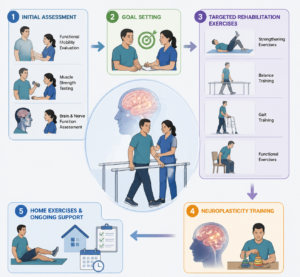
Step 1: Detailed Assessment
The physiotherapist checks your pain, movement, posture, strength, flexibility, balance, and daily activity problems.
You may be asked simple questions like:
- When did the pain start?
- What makes it worse?
- Does it affect walking, sitting, sleeping, or exercise?
- Have you had any injury or surgery before?
- Have you taken treatment earlier?
This helps the physiotherapist understand the full picture.
Step 2: Diagnosis-Based Treatment Plan
Once the assessment is done, a personalized plan is created. This plan depends on your condition, pain level, lifestyle, age, activity needs, and recovery goal.
For example, a young athlete with an ACL injury will need a different plan compared to a senior citizen with balance problems.
This is why acl rehab in Malad should always be guided properly. It is not just about doing a few exercises. It is about rebuilding strength, stability, confidence, and safe movement.
Step 3: Pain Relief and Mobility Work
In the early stage, the focus may be on reducing pain and improving movement.
This may include:
- Manual therapy
- Soft tissue release
- Gentle joint movements
- Stretching
- Heat or cold therapy
- Electrotherapy if needed
- Guided pain-free exercises
The goal is to make movement easier without pushing the body too hard.
Step 4: Strength and Stability Training
Once pain reduces, strengthening becomes very important.
Why? Because weak muscles often allow the same pain to come back.
For back pain, core strength may be needed.
For knee pain, hip and thigh strength may be important.
For shoulder pain, shoulder blade control may be required.
This stage helps the body become stronger and more stable.
Step 5: Functional Recovery
The final stage is about returning to real life.
Can you climb stairs without fear?
Can you sit at work without pain?
Can you walk confidently after a stroke?
Can you return to sports after an ACL injury?
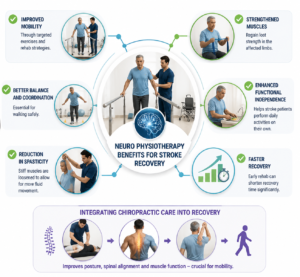
For patients recovering from stroke or neurological conditions, a neuro rehab centre in Malad can support walking practice, balance training, coordination work, and repeated movement training.
This makes recovery more meaningful because it connects treatment with daily life.
What Are the Benefits of Physiotherapy?
Physiotherapy is not only for pain relief. It helps people move better, feel stronger, and become more independent.
The benefits may include:
- Reduces pain naturally
- Improves flexibility and mobility
- Builds strength and stability
- Corrects posture and movement habits
- Supports recovery after surgery
- Helps prevent repeated injuries
- Improves balance and walking confidence
- Supports stroke and neuro rehabilitation
- Helps athletes return to sport safely
- Reduces fear of movement
- Improves daily function
- Supports better quality of life
For many patients, the biggest relief is not just physical. It is emotional too.
Imagine someone who has avoided walking outside because of knee pain. Or someone who feels scared to bend after a back injury. With the right physiotherapy plan, they slowly regain trust in their body.
That confidence matters.
Chiropractor vs Physiotherapist vs Osteopathy: Which One is Better?
There is no one-size-fits-all answer. The best option depends on your condition and what your body needs.
| Treatment Option | Main Focus | Commonly Used For | Best Suited For |
|---|---|---|---|
| Chiropractor | Spine and joint adjustment | Back stiffness, neck stiffness, spinal mobility issues | People looking for adjustment-based care |
| Physiotherapist | Pain relief, movement, strength, rehab, function | Back pain, knee pain, sports injury, stroke rehab, post-surgery recovery | People needing long-term recovery and guided exercise |
| Osteopathy | Whole-body manual approach | Body alignment, mobility, muscle and joint discomfort | People looking for hands-on whole-body care |
| Painkillers | Temporary symptom control | Short-term pain relief | Acute pain under medical advice |
| Surgery | Structural correction when needed | Severe injury, advanced joint damage, major disc or ligament issues | Cases where conservative care is not enough |
A chiropractor in Malad may be helpful for people with spinal stiffness or joint movement concerns. Osteopathy in Malad may help people who prefer a whole-body hands-on approach.
But if your problem involves injury, muscle weakness, poor posture, surgery recovery, neurological issues, or repeated pain, physiotherapy is often a more complete choice.
Physiotherapy also teaches you what to do at home, what to avoid, and how to protect your body in the long run.
Best choice for long-term recovery:
Physiotherapy is often more complete when pain is linked to weakness, injury, posture, surgery, sports damage, or neurological conditions.
Who Needs a Physiotherapist in Malad?
You should consider visiting a physiotherapist if pain is affecting your routine, sleep, work, walking, or confidence.
A physiotherapist in Malad can help if you have:
- Back pain that lasts more than a few days
- Neck pain with stiffness or headache
- Knee pain while walking or climbing stairs
- Shoulder pain or frozen shoulder
- Sciatica or pain travelling down the leg
- Sports injury or muscle strain
- ACL tear or ligament injury
- Post-fracture stiffness
- Post-surgery weakness
- Stroke recovery needs
- Parkinson’s-related movement problems
- Poor balance or fear of falling
- Desk posture-related pain
- Repeated pain despite rest or medicines
Many people wait until pain becomes severe. But early physiotherapy can often make recovery easier.
For example, if your knee pain starts only while climbing stairs, that is the right time to get checked. Waiting until you cannot walk comfortably may make treatment longer.
Physiotherapy can also help people who are not in pain right now but want to prevent future problems. This is especially useful for office workers, athletes, senior citizens, and people recovering from old injuries.
What Are the Cost and Pricing Factors?
The cost of physiotherapy depends on the condition, treatment plan, session duration, and type of care required.
Pricing may vary based on:
- Severity of pain or injury
- Acute or chronic condition
- Manual therapy needs
- Exercise rehab requirements
- Neuro rehab needs
- Post-surgery recovery stage
- Sports-specific rehab planning
- Advanced equipment or machine-assisted therapy
- Home care or clinic-based sessions
- Number of sessions needed
For example, mild neck stiffness may need fewer sessions. But stroke rehab, ACL rehab, or post-operative recovery usually needs a longer and more structured plan.
The number of sessions also depends on how your body responds. Some people improve quickly. Others may need gradual progress, especially if the condition has been present for months or years.
At Physiohub, the aim is to keep the treatment clear and honest. After assessment, patients are guided about what may be needed, why it is needed, and how the recovery plan will move forward.
What Are the Physiotherapy Industry Trends in 2026?
Physiotherapy is becoming more advanced and more patient-friendly. In 2026, the focus is not only on pain relief but also on prevention, performance, independence, and long-term health.
Important trends include:
- AI-assisted movement analysis
- Digital exercise tracking
- Hybrid physiotherapy care
- Machine-assisted gait training
- Advanced neuro rehabilitation
- Preventive physiotherapy for desk workers
- Sports performance rehab
- Posture and ergonomic correction
- Evidence-based manual therapy
- Patient education and self-management
- Multidisciplinary care combining physiotherapy, osteopathy, and rehab science
More people are now looking for treatment that is personalized. They do not want general advice like “take rest” or “do basic exercise.” They want to know what is wrong, what can be improved, and how long recovery may take.
This shift is also seen in Malad. Patients are searching for modern physiotherapy in Malad that includes assessment, advanced rehab methods, guided exercises, and progress-based care.
A trusted physiotherapist in Mumbai today is not only someone who treats pain. They also educate, guide, motivate, and help patients stay active safely.
Why Choose Physiohub in Malad?
Physiohub is a trusted choice for people looking for physiotherapy in Malad because the care is personal, structured, and focused on real recovery.
The team understands that every patient comes with a different story. Some are tired of recurring back pain. Some are worried about walking after a stroke. Some want to return to sports after an ACL injury. Some just want to sit, sleep, or climb stairs without pain.
At Physiohub, treatment is planned around your condition and your goals.
Here is why patients choose Physiohub:
- Personalized assessment before treatment
- Clear explanation of the condition
- Treatment plans based on pain, movement, and function
- Support for back pain, neck pain, knee pain, and shoulder pain
- Advanced care for sports injury and acl rehab in Malad
- Neuro rehabilitation support for stroke and balance issues
- Professional guidance for posture correction
- Exercise-based long-term recovery
- Modern techniques with a human touch
- Comfortable and supportive clinic environment
If you are searching for a chiropractor in Malad, osteopathy in Malad, or a physiotherapist in Malad, Physiohub can help you understand which approach is right for your condition.
The goal is not just to reduce pain for a few days. The goal is to help you move better, feel stronger, and live with more confidence.
FAQs
1. Is a chiropractor better than a physiotherapist for back pain?
It depends on the cause of your back pain. A chiropractor may help with spinal stiffness and joint mobility. A physiotherapist can help with pain relief, posture correction, core strength, flexibility, and long-term prevention. If your back pain keeps returning, physiotherapy may offer a more complete recovery plan.
2. When should I visit a physiotherapist in Malad?
You should visit a physiotherapist in Malad if you have pain, stiffness, weakness, injury, walking difficulty, balance problems, post-surgery recovery needs, or pain that keeps coming back. Early treatment can help prevent the condition from becoming more serious.
3. Can physiotherapy help avoid surgery?
In many cases, physiotherapy can help reduce pain, improve strength, and restore movement without surgery. However, some severe injuries or advanced conditions may still need a doctor’s opinion. A proper assessment helps decide the best next step.
4. What is the difference between osteopathy and physiotherapy?
Osteopathy often uses a whole-body manual approach to improve mobility and alignment. Physiotherapy uses assessment, exercise therapy, manual therapy, strengthening, balance training, posture correction, and rehabilitation to restore movement and function.
5. Does Physiohub offer neuro rehabilitation in Malad?
Yes. Physiohub supports patients who need neuro rehabilitation, including stroke recovery, balance training, walking practice, and movement improvement. If you are looking for a neuro rehab centre in Malad, Physiohub offers guided and structured care.
Pain should not become your normal.
If you are confused between a chiropractor, osteopathy, or physiotherapy, let Physiohub guide you with the right assessment and treatment plan.
Book your consultation with Physiohub today and meet a trusted physiotherapist in Malad for safe pain relief, better movement, and long-term recovery.