Plot No. 5, Evershine Nagar, Next To Landmark, Link Road, Malad West
Blog Category

Does your lower back hurt after sitting for hours? Do you feel a sharp pain when bending forward or getting out of bed? Sometimes, the discomfort even travels down your leg, making simple activities like walking, driving or climbing stairs difficult.

Back pain can affect anyone, from office professionals working long hours to older adults experiencing changes in their spinal discs. While occasional discomfort may settle with time, persistent pain can make everyday life frustrating.

One possible cause is a disc-related spinal condition, such as a bulging or herniated disc. These conditions may irritate nearby nerves and cause pain, tingling or numbness.

Many patients searching for a physiotherapist in Malad, Mumbai want to know whether spinal decompression therapy can help them manage their symptoms without surgery.

At PhysioHub – Sports & Neuro Rehab Centre, understanding the cause of discomfort is an important part of planning rehabilitation.

Spinal decompression is one treatment patients may hear about. But is it suitable for everyone? Let’s explore how it works, what research says about its benefits and why a personalised physiotherapy programme matters.

Can Spinal Decompression Therapy Help Relieve Disc-Related Back Pain?

Spinal decompression therapy uses controlled stretching forces to temporarily reduce loading on the spine. Some patients may experience short-term symptom relief, but research does not support routine mechanical traction for lower back pain or sciatica. A physiotherapist can assess whether it is appropriate and recommend evidence-based exercises and rehabilitation.

What Is Spinal Decompression Therapy?

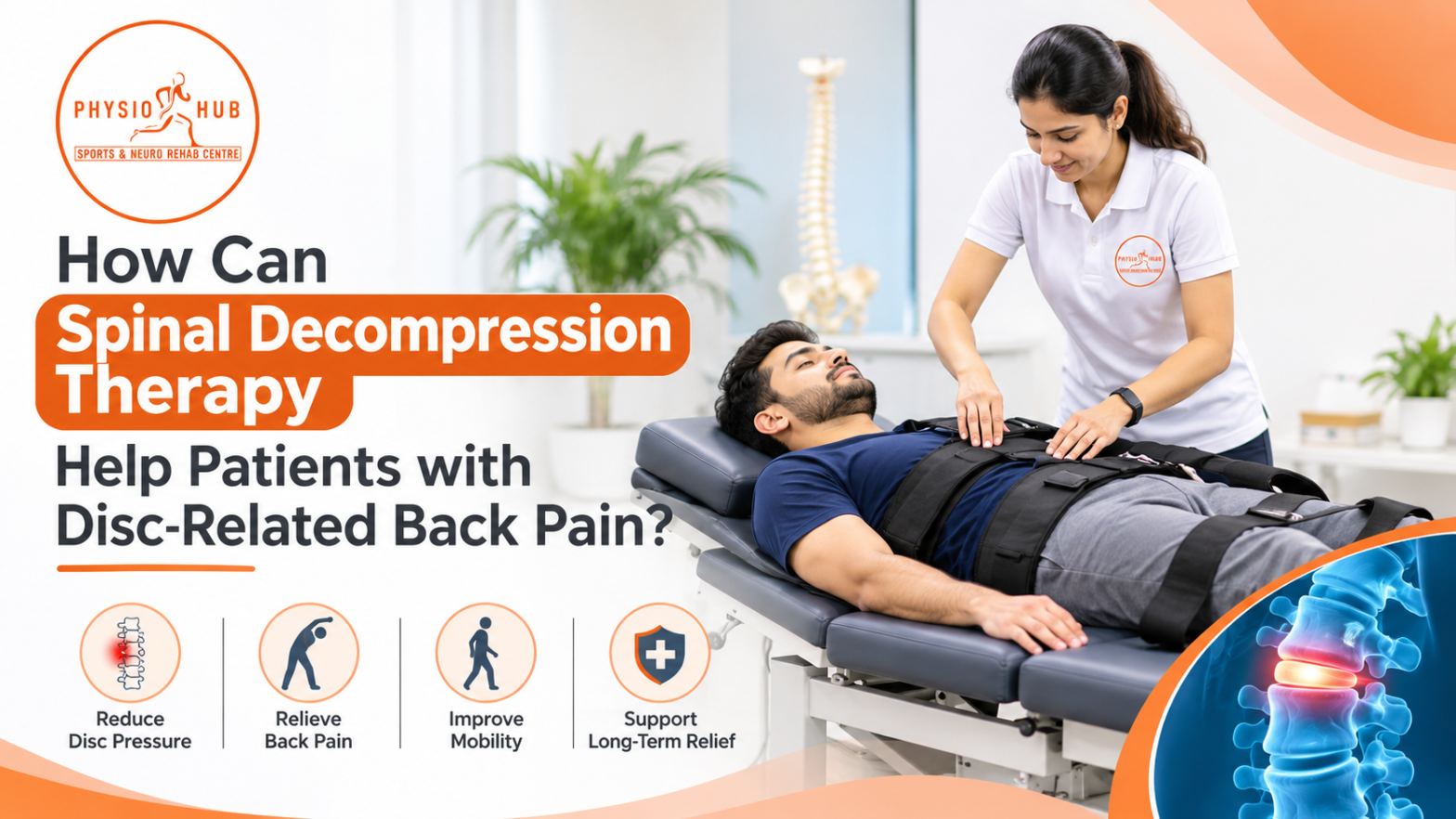
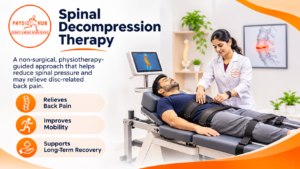
Spinal decompression therapy is a non-surgical treatment that uses a specialised traction table or mechanical device to apply controlled pulling forces to the spine.

The aim is to gently separate spinal segments and temporarily change the forces acting on discs, joints and surrounding tissues.

Your spine contains soft, cushion-like structures called intervertebral discs. These discs sit between the vertebrae and help absorb pressure during daily movement.

When a disc bulges or herniates, it may irritate a nearby nerve. However, not every disc bulge causes pain, and some are found in people without symptoms.

Mechanical decompression is sometimes promoted as a way to reduce disc pressure. Yet there is limited reliable evidence that it permanently restores disc position or provides lasting relief.

Importantly, non-surgical spinal decompression is different from spinal decompression surgery, which may be considered for selected patients with persistent nerve compression.

According to the NICE clinical guidelines, traction is not recommended as a routine treatment for lower back pain with or without sciatica.

What Causes Disc-Related Back Pain, and Why Is Physiotherapy Important?

Disc-related discomfort can develop for several reasons. Sometimes symptoms appear suddenly, while in other cases they build gradually.

Common contributing factors include:

  • Age-related disc changes: Spinal discs naturally lose some water content and flexibility with age.

  • Disc herniation: Disc material can move beyond its usual boundary and sometimes irritate nearby nerves.

  • Repeated physical loading: Frequent heavy lifting or bending may contribute to symptoms in some individuals.

  • Prolonged sitting: Remaining in one position may aggravate existing back discomfort.

  • Reduced physical conditioning: Limited strength and movement tolerance can make everyday tasks harder.

  • Previous back injuries: Earlier episodes may increase the likelihood of recurring discomfort.

For example, someone working at a desk for eight hours may notice increasing stiffness by evening. Another person may experience pain while lifting a heavy suitcase.

Does this always mean a slipped disc? Not necessarily.

A qualified physiotherapist in Malad west can examine movement, muscle strength, nerve symptoms and daily activity patterns to identify possible causes.

Professional Physiotherapy Services in Malad, Mumbai can focus on improving function and helping patients return to activities they have been avoiding.

How Does Spinal Decompression Therapy Work? A Step-by-Step Explanation
physiotherapist in malad Mumbai | physiohub

Before considering any decompression procedure, a detailed assessment is necessary.

A typical clinical process may involve the following steps.

Step 1: Understanding Your Symptoms

The physiotherapist asks about your pain, medical history, previous injuries and activities that make symptoms better or worse.

They may also check whether the pain travels into your legs or affects walking.

Step 2: Physical Examination

Your posture, spinal movement, muscle strength, reflexes and sensation may be assessed.

An MRI is not always necessary. Imaging is usually considered when symptoms, examination findings or treatment decisions justify it.

Step 3: Deciding Whether Traction Is Appropriate

If mechanical traction is being considered, the clinician should explain the uncertain benefits, possible risks and other treatment options.

Current guidelines generally favour active rehabilitation over routine traction.

Step 4: Supervised Application, If Clinically Justified

During mechanical traction, a patient lies on a specialised table while a device applies controlled pulling forces.

The settings are adjusted by a trained professional. Treatment should be stopped if symptoms worsen.

Step 5: Rehabilitation and Follow-Up

Regardless of whether traction is used, recovery usually requires more than passive treatment.

A structured programme may include:

  • Gentle mobility exercises

  • Progressive core and hip strengthening

  • Walking and activity progression

  • Guidance on lifting and sitting comfortably

  • Home exercises and regular reassessment

The main goal is to help patients move confidently and manage their symptoms over time.

What Are the Potential Benefits of Spinal Decompression Therapy?

Some patients may report temporary relief following mechanical traction. However, these effects are not consistent across clinical studies.

Possible short-term effects include:

  • Temporary pain relief: Certain individuals may feel more comfortable immediately after treatment.

  • Reduced feeling of stiffness: Gentle stretching may provide a temporary sense of relaxation.

  • Improved movement comfort: Some patients may find certain movements easier for a short period.

  • Support during supervised care: When appropriate, the treatment may be discussed within a broader rehabilitation plan rather than offered alone.

These possibilities should not be confused with proven long-term benefits.

The 2021 Journal of Orthopaedic & Sports Physical Therapy clinical practice guideline found that mechanical traction generally did not add meaningful benefits for chronic lower back pain with leg symptoms when combined with other treatments.

In contrast, appropriate exercise, education and gradual return to activity remain central parts of recommended care.

  • Spinal decompression devices use controlled traction forces.

  • They do not reliably reverse disc herniation.

  • Long-term benefits remain uncertain.

  • Exercise-based physiotherapy has stronger guideline support.

  • Treatment should follow a professional assessment.

Spinal Decompression Therapy vs Other Back Pain Treatments: Which Is Better?

Not every patient needs the same treatment. The right approach depends on symptoms, clinical findings and recovery goals.

Treatment Main Purpose Important Consideration
Spinal decompression traction Apply controlled spinal stretching Not routinely recommended for lower back pain or sciatica
Exercise-based physiotherapy Improve strength, mobility and function Recommended for many patients
Manual therapy Address movement limitations and discomfort Best considered alongside exercise
Medication Manage pain and inflammation when appropriate Requires medical advice and risk assessment
Spinal decompression surgery Relieve selected cases of confirmed nerve compression Considered when clinically indicated

Patients seeking Physiotherapy in Malad, Mumbai may benefit from discussing these options before choosing a treatment.

Those exploring osteopathy in Malad or searching for a Chiropractor in Malad, Mumbai should also understand that manual treatments are not replacements for comprehensive medical assessment.

Who Is a Good Candidate for Spinal Decompression Therapy?

Not everyone with a disc problem is a suitable candidate for mechanical traction.

Patients commonly asking about this treatment include those experiencing:

  • Persistent lower back pain

  • Disc-related leg discomfort

  • Sciatica-like symptoms

  • Recurrent stiffness affecting daily activities

  • Difficulty returning to normal movement after a back pain episode

However, having these symptoms does not automatically mean traction will help.

A physiotherapist near Malad can assess whether active rehabilitation, medical referral or another treatment is more appropriate.

Patients with significant osteoporosis, spinal instability, certain fractures or other serious spinal conditions may be unsuitable for traction.

Seek urgent medical attention if back pain is accompanied by new bladder or bowel control problems, numbness around the groin, or severe or progressive leg weakness.

Patients with other conditions may require different programmes. For example, neck pain treatment in Malad, Mumbai, shoulder pain treatment in Malad, Mumbai, and ACL rehab in Malad involve different rehabilitation goals.

Similarly, individuals needing rehab exercises for knee ligament injuries or knee replacement recovery in Malad Mumbai should receive condition-specific guidance.

How Much Does Spinal Decompression Therapy Cost in Malad, Mumbai?

The cost of treatment can vary depending on the clinic, assessment requirements and overall rehabilitation plan.

Factors that may influence pricing include:

  • Initial consultation: A detailed examination may be charged separately.

  • Treatment approach: Machine-based sessions and supervised exercise programmes may have different costs.

  • Number of visits: The schedule depends on symptoms, progress and clinical need.

  • Additional rehabilitation: Strengthening, mobility training and follow-up assessments may affect overall costs.

  • Professional expertise: The therapist’s qualifications and the level of supervision may influence fees.

Instead of choosing treatment based only on session prices, ask what the programme includes and whether the proposed approach is supported by clinical evidence.

Someone searching for a Physiotherapist near me, Chiropractor Near me, or even the misspelled phrase Physiotheraphy near me should prioritise qualified professionals, transparent pricing and appropriate clinical assessment.

What Are the Latest Trends in Spinal Rehabilitation in 2026?

Spinal rehabilitation continues to move towards personalised, evidence-informed care.

Rather than relying only on machines, physiotherapy increasingly focuses on helping people understand pain and improve their ability to move.

Important approaches in 2026 include:

1. Personalised exercise programmes

Exercise plans can be adapted according to symptoms, fitness levels, physical limitations and daily routines.

2. Active rehabilitation

Patients are encouraged to build strength, improve movement tolerance and return gradually to everyday activities.

3. Digital exercise support

Video demonstrations, home exercise platforms and remote follow-ups can help selected patients practise between appointments. Emerging research supports cautious use under professional supervision.

4. Better patient education

Understanding disc-related pain can reduce unnecessary fear of movement and support informed decisions.

5. Integrated rehabilitation

Patients with neurological conditions may require Neuro physio therapy in Malad or support from a Neuro rehab centre in Mumbai.

A qualified Sports Physiotherapist in Mumbai can also help active individuals return to exercise safely after a back pain episode.

Why Choose PhysioHub – Sports & Neuro Rehab Centre in Malad?

Living with back pain can be tiring, especially when symptoms interrupt work, sleep or everyday activities.

At PhysioHub – Sports & Neuro Rehab Centre, Malad West, rehabilitation focuses on understanding each patient’s symptoms and movement needs.

Led by Dr. Pooja Mehta, PhysioHub provides physiotherapy support for musculoskeletal, sports and neurological conditions.

Patients looking for Physiotherapy in Malad can enquire about assessment, exercise-based rehabilitation, spine care and suitable treatment options.

PhysioHub’s services also cover other rehabilitation needs, including sports injuries, joint discomfort and neurological recovery.

Whether someone needs a Sports Physiotherapist in Malad, guidance for recurring back discomfort or specialist support from a Neuro rehab centre in Malad, Mumbai, the priority should be safe, individualised rehabilitation.

Patients exploring neck pain treatment in Malad Mumbai or shoulder pain treatment in Malad Mumbai can also seek appropriate assessments rather than assuming all spinal or joint symptoms require the same treatment.

FAQs About Spinal Decompression Therapy

1. Can spinal decompression therapy cure a slipped disc?

No. Mechanical decompression has not been shown to reliably cure or permanently reposition a slipped disc. Many disc-related symptoms improve with appropriate conservative care.

2. Is spinal decompression therapy painful?

Mechanical traction is intended to be controlled, but some patients may experience discomfort or worsening symptoms. The procedure should be stopped if this happens.

3. How many spinal decompression sessions are needed?

There is no established ideal number of sessions. Because routine traction is not recommended by major guidelines, repeated sessions should not be assumed necessary.

4. Can physiotherapy help disc-related back pain without surgery?

Yes. Many patients improve with exercise-based physiotherapy, education, activity changes and appropriate medical care. Surgery is considered for selected cases.

5. When should I consult a physiotherapist for back pain?

Consult a physiotherapist when pain keeps returning, limits everyday movement or fails to improve. Seek prompt medical evaluation for worsening weakness or significant nerve symptoms.

Take the First Step Towards Better Spine Health

Back pain should not have to control how you work, move or enjoy your day.

If you experience persistent lower back discomfort, leg pain or difficulty with everyday movements, getting a proper assessment is a sensible first step.

At PhysioHub – Sports & Neuro Rehab Centre, Malad West, patients can explore personalised rehabilitation options designed around their condition and recovery goals

Move with confidence. Build strength. Take care of your spine.

For more information contact:

PhysioHub -sports &neuro rehab centre


Are you experiencing neck stiffness after long office hours, knee pain while climbing stairs, or shoulder discomfort that refuses to go away? You may have considered physiotherapy but wondered, “How much will it cost, and how many sessions will I need?”

It’s a common concern, especially when you’re already managing medical expenses or recovering from an injury.

When searching for a physiotherapist in Malad, Mumbai, you’ll notice that treatment charges vary between clinics. Some offer basic pain management, while others provide specialised rehabilitation for sports injuries, neurological conditions, and post-surgical recovery.

But does paying more always mean better treatment? Not necessarily.

The right physiotherapy programme depends on your condition, the therapist’s experience, the treatment methods used, and your recovery goals.

At PhysioHub, led by Dr. Pooja Mehta, physiotherapy focuses on understanding the patient’s movement difficulties and developing an individual rehabilitation approach.

This guide explains expected physiotherapy costs in Mumbai, what influences session charges, and how to choose suitable care without compromising your recovery.

How Much Does a Physiotherapy Session Cost?

A physiotherapy session in Mumbai generally costs around ₹600 to ₹2,000, depending on the clinic, treatment complexity, therapist’s experience, and session duration. Specialist rehabilitation and home visits may cost more. The exact cost of physiotherapy in Malad Mumbai depends on your assessment, treatment plan, and number of sessions required.

What Is Physiotherapy, and What Does a Physiotherapy Session Include?

Physiotherapy is a healthcare treatment that helps people improve movement, manage pain, regain strength, and recover physical function after injury, illness, or surgery.

It combines movement exercises, hands-on techniques, patient education, and selected therapeutic equipment based on individual needs.

A typical session of physiotherapy in Malad, Mumbai may involve:

  • Physical assessment: Understanding pain, posture, joint mobility, muscle strength, and daily movement limitations.

  • Manual therapy: Hands-on techniques to support joint mobility and manage muscle discomfort when appropriate.

  • Therapeutic exercises: Guided movements designed to improve strength, flexibility, and stability.

  • Pain management: Selected treatments such as TENS, ultrasound, or laser therapy where clinically indicated.

  • Home exercise guidance: Simple exercises and activity advice to support progress between appointments.

For example, someone with neck stiffness from desk work may need posture education and strengthening exercises.

A person recovering from knee surgery may require a more detailed rehabilitation programme involving strength, balance, and walking practice.

Both need physiotherapy, but their treatment plans and costs can differ significantly.

Why Do People Need Physiotherapy Services?

Pain doesn’t always begin with a serious injury. Sometimes, it develops slowly because of daily habits, repetitive movements, or reduced physical activity.

People commonly seek Physiotherapy Services in Malad, Mumbai for:

  • Neck and shoulder pain: Prolonged laptop use, poor workstation setup, and repetitive activities can contribute to discomfort. Individuals may seek neck pain treatment in Malad Mumbai or shoulder pain treatment in Malad Mumbai.

  • Sports injuries: Running, cricket, badminton, and gym workouts can lead to muscle strains, ligament injuries, and joint problems.

  • Knee problems: Arthritis, ligament injuries, and post-surgical stiffness may affect walking and stair climbing.

  • Neurological conditions: Stroke, Parkinson’s disease, and nerve-related movement difficulties may require specialised rehabilitation.

  • Post-surgical recovery: Physiotherapy helps patients work towards restoring mobility, strength, and independence after certain surgeries.

  • Persistent back pain: Reduced mobility, muscle weakness, and prolonged sitting may contribute to recurring discomfort.

Seeking appropriate care early can help address movement problems before they become harder to manage.

How Does a Physiotherapy Treatment Plan Work at PhysioHub?

physiotherapist in Malad Mumbai | Physiohub

If you’re visiting a physiotherapy clinic for the first time, you might wonder what happens beyond the initial consultation.

At PhysioHub, rehabilitation is centred on understanding your condition and helping you work towards functional goals.

Step 1: Initial Assessment

The physiotherapist discusses your symptoms, medical history, lifestyle, and any previous injuries.

Movement, strength, flexibility, posture, and functional difficulties may also be assessed.

Step 2: Identifying Your Rehabilitation Needs

Not every patient needs the same treatment.

Someone requiring ACL rehab in Malad Mumbai may need a progressive strengthening and stability programme, while a patient with shoulder stiffness may need mobility exercises and gradual strengthening.

Step 3: Creating a Personalised Treatment Plan

The therapist recommends appropriate exercises, rehabilitation techniques, and an estimated review schedule.

Your treatment plan may change depending on your symptoms and response.

Step 4: Guided Treatment Sessions

Sessions may involve exercise therapy, movement retraining, manual techniques, or suitable therapeutic equipment.

Step 5: Monitoring Recovery

Progress is reviewed through improvements in pain, strength, joint movement, and everyday activities.

This helps determine whether continued sessions, modified exercises, or further medical assessment are needed.

What Are the Benefits of Choosing Professional Physiotherapy?

Good physiotherapy is not only about temporary pain relief. It also helps patients understand their bodies and build confidence in movement.

Important benefits include:

  • Better mobility: Helps improve joint movement and flexibility.

  • Improved strength: Supports muscles needed for walking, lifting, balance, and sports activities.

  • Pain management: Exercise-based rehabilitation can help manage certain musculoskeletal conditions.

  • Post-injury recovery: Structured rehab exercises for knee ligament injuries can support a gradual return to activity.

  • Improved independence: Neurological rehabilitation can help patients practise daily movements and functional tasks.

  • Reduced fear of movement: Guided exercises help patients understand which activities are appropriate during recovery.

  • Long-term self-management: Home exercises and movement education help patients maintain progress.

Consider someone who avoids stairs because of knee pain. The goal isn’t simply to reduce discomfort during a session. It’s to help that person build enough strength and confidence to manage everyday activities more comfortably.

That is why a well-planned rehabilitation programme matters.

Physiotherapy costs depend on the care you need, not just the equipment used. A proper assessment, individual treatment plan, supervised exercises, and progress reviews are important when comparing clinics.

Physiotherapy at a Clinic vs Home Visits: Which Is Better?

Both clinic-based physiotherapy and home visits can support rehabilitation. The better option depends on your condition, mobility, convenience, and treatment requirements.

Factor Clinic Physiotherapy Home Physiotherapy
Treatment setting Dedicated rehabilitation centre Patient’s home
Equipment Access to clinic-based equipment Mostly portable equipment
Convenience Requires travel Convenient for limited mobility
Supervision Direct therapist guidance Direct therapist guidance
Cost Generally more affordable May include travel charges
Suitable for Sports rehab, exercise programmes, specialised treatment Elderly patients, mobility limitations, selected post-surgical cases

People searching for a “physiotherapist near me” or “physiotherapy near me” should consider more than distance or price.

For example, someone seeking knee replacement recovery in Malad Mumbai may benefit from access to suitable rehabilitation equipment, while a person with severe mobility limitations may find home-based sessions more practical.

Who Should Consider Physiotherapy?

Physiotherapy can help people of different ages and activity levels.

You may benefit from an assessment if you are:

  • An office professional experiencing recurring neck or back pain.

  • An athlete seeking a Sports Physiotherapist in Malad.

  • Recovering from ACL surgery, fractures, or joint replacement.

  • Experiencing persistent shoulder or knee stiffness.

  • Looking for neuro physiotherapy in Malad Mumbai after a stroke.

  • An older adult struggling with balance or walking.

  • Managing a condition that affects everyday movement.

For complex neurological conditions, choosing a qualified team at a Neuro rehab centre in Malad, Mumbai, or a Neuro rehab centre in Mumbai may be important.

Patients exploring osteopathy in Malad or searching for a Chiropractor near me, should also check the practitioner’s qualifications, treatment approach, and suitability for their condition.

What Factors Affect Physiotherapy Session Costs in Mumbai?

The cost of physiotherapy in Mumbai varies because every patient’s rehabilitation needs are different.

Published 2026 market estimates suggest the following indicative charges. These are not PhysioHub’s confirmed prices.

Physiotherapy service Indicative cost
Initial physiotherapy assessment ₹800–₹1,800
Regular clinic follow-up ₹600–₹1,500
Specialist rehabilitation session ₹1,500–₹2,000 or more
Home physiotherapy visit ₹800–₹2,000 or more

Your final treatment cost may depend on:

  • Condition: Simple muscle discomfort and complex neurological rehabilitation require different levels of care.

  • Treatment duration: Longer or more intensive sessions may have higher charges.

  • Therapist’s expertise: Specialist experience in sports or neurological rehabilitation may affect fees.

  • Equipment: Advanced rehabilitation technology may involve additional costs.

  • Session frequency: Some patients need short-term care, while others require rehabilitation over several weeks or months.

For example, eight sessions priced at ₹1,000 each would cost ₹8,000, excluding any separate assessment charges.

Before beginning treatment, ask about the cost per session, expected frequency, review schedule, and any additional fees. Session estimates should be revised as your recovery progresses.

What Are the Latest Physiotherapy Trends in 2026?

Physiotherapy in 2026 increasingly combines traditional rehabilitation techniques with technology-supported assessment.

Some developing approaches include:

  • Personalised rehabilitation: Exercise programmes designed around individual goals and abilities.

  • Movement tracking: Wearable sensors and digital tools that help measure movement quality.

  • Technology-supported recovery: Selected clinics use specialised equipment alongside active rehabilitation.

  • Sports-specific programmes: Rehabilitation that focuses on strength, balance, agility, and safe return to sport.

  • Hybrid rehabilitation: Combining in-person assessments with remote exercise guidance where appropriate.

A 2026 review covering 55 studies found that sensor-based technologies may support movement assessment and exercise feedback. However, larger clinical studies are still needed to establish their long-term benefits.

Technology can support treatment, but it cannot replace a qualified clinical assessment.

Why Choose PhysioHub in Malad,Mumbai?

When dealing with ongoing pain or recovering from an injury, finding a physiotherapist who understands your needs is important.

PhysioHub Advance Sports Rehab & Neuro, led by Dr. Pooja Mehta, provides rehabilitation services with a focus on sports injuries, neurological conditions, and musculoskeletal recovery.

Patients may seek support for:

  • Sports injury rehabilitation and ACL recovery.f

  • Shoulder pain treatment in Malad, Mumbai.

  • Knee pain and post-surgical rehabilitation.

  • Neuro rehabilitation and movement difficulties.

  • Physiotherapy-led mobility and strengthening programmes.

PhysioHub also offers selected advanced treatment technologies, including laser therapy, shockwave therapy, and spinal decompression, when appropriate to the patient’s clinical needs.

Whether you’re comparing a Sports Physiotherapist in Mumbai, a physiotherapist in Malad West, or a Chiropractor in Malad Mumbai, prioritise professional qualifications, suitable assessment, and transparent treatment planning.

Frequently Asked Questions About Physiotherapy Costs in Mumbai

1. How much does one physiotherapy session cost in Mumbai?

A typical clinic session may cost approximately ₹600–₹2,000. Charges vary according to treatment complexity, professional expertise, and the clinic. Specialist or home-based care may cost more.

2. How many physiotherapy sessions are needed for pain relief?

There is no fixed number. Some people improve within a few sessions, while others need longer rehabilitation. Your physiotherapist will assess your progress and recommend an appropriate schedule.

3. Is physiotherapy expensive in Malad West?

Physiotherapy charges vary between clinics. Compare the assessment process, treatment quality, session duration, and professional expertise rather than choosing solely on price.

4. Is physiotherapy helpful for sports injuries and knee pain?

Yes. Physiotherapy can support strength, movement, balance, and functional recovery after many sports injuries. The programme depends on the injury, its severity, and medical advice.

5. Should I choose a physiotherapist or chiropractor for back pain?

The appropriate professional depends on your diagnosis and treatment needs. A physiotherapist can assess movement problems and provide exercise-based rehabilitation. Seek medical evaluation for severe symptoms, progressive weakness, or bladder or bowel changes.

Take the First Step Towards Better Movement with PhysioHub

Pain should not have to control your routine, work, or favourite activities.

If you’re considering physiotherapy in Malad, start with a professional assessment to understand your condition, treatment options, and likely rehabilitation costs.

At PhysioHub, Dr. Pooja Mehta and the rehabilitation team focus on helping patients work towards better mobility, strength, and confidence through individual treatment planning.

Book a physiotherapy consultation at PhysioHub Advance Sports Rehab & Neuro, Malad West, Mumbai, to discuss your condition and obtain current treatment charges.

For more information contact:

PhysioHub


Physiotherapy in malad mumbai | physiohubDo you often finish your workday with a stiff neck, tight shoulders or a dull headache? Maybe you have noticed that turning your head feels uncomfortable after sitting in front of your laptop for hours.


For many working professionals, students and people working from home, neck pain has slowly become part of their daily routine. What starts as mild discomfort can sometimes develop into recurring stiffness that affects sleep, concentration and everyday movement.

Long hours of screen time, limited physical activity and poor workstation setup can place repeated strain on the muscles supporting your neck and shoulders. Even simple habits like looking down at your laptop or sitting without breaks may contribute to discomfort.

The good news? Neck pain related to prolonged laptop use can often improve with the right exercises, movement habits and professional guidance.

If you are looking for a physiotherapist in Malad Mumbai, understanding the cause of your discomfort is an important first step.

At PhysioHub, physiotherapy in Malad Mumbai focuses on identifying movement problems, improving mobility and helping individuals manage pain through a personalised rehabilitation approach.

Can Physiotherapy Help With Neck Pain Caused by Laptop Use?

Physiotherapy can help manage neck pain caused by prolonged laptop use through targeted exercises, posture guidance, mobility training and muscle strengthening. A physiotherapist assesses the possible causes of discomfort and creates a personalised treatment plan. Regular movement, ergonomic adjustments and guided rehabilitation can help improve neck mobility and reduce recurring muscle strain.

What Is Laptop-Related Neck Pain?

Laptop-related neck pain refers to discomfort, stiffness or muscle tension that develops or worsens during prolonged computer use.

It is often associated with sustained head positions, repeated movements and limited breaks throughout the day.

When you look down at a laptop screen for a long time, your neck muscles must work to support your head in that position. Over time, this may contribute to muscle fatigue and discomfort.

Common symptoms include neck stiffness, upper-back tightness, shoulder discomfort, reduced neck movement and tension-type headaches.

Some people also experience pain around the shoulder blades, especially after completing a long workday.

Laptop-related neck pain is sometimes described as tech neck. However, not every case has the same cause. A proper assessment helps distinguish common muscle-related discomfort from problems involving nerves, joints or other structures.

What Causes Neck Pain After Long Hours on a Laptop?

Several everyday habits may contribute to neck pain, often without us noticing.

  • Poor screen positioning: Looking down at a laptop placed too low can increase strain on the neck muscles.

  • Prolonged sitting: Remaining in one position for several hours may cause muscle fatigue and stiffness.

  • Limited movement breaks: Working continuously without getting up reduces opportunities for muscles and joints to move.

  • Unsupported sitting: A chair without adequate back support may make comfortable sitting more difficult.

  • Muscle weakness: Reduced strength or endurance in the neck and upper-back muscles can affect tolerance for prolonged desk work.

  • Stress-related tension: Stress may increase muscle tension around the neck and shoulders.

  • Incorrect keyboard placement: Reaching forward while typing can contribute to shoulder and upper-back discomfort.

Think about your usual workday. Do you lean towards your laptop while reading emails? Do you spend hours attending meetings without standing up?

These small habits may be contributing to your neck discomfort.

Common Causes of Laptop-Related Neck Pain

Neck discomfort is often linked to prolonged static positions, an unsuitable workstation and reduced movement. Improving screen placement, taking regular breaks and strengthening supporting muscles may help manage symptoms.

How Does Physiotherapy Work for Laptop-Related Neck Pain?

physiotherapist in malad mumbai | phyioshub

Physiotherapy is not simply about relaxing tight muscles. It focuses on understanding why pain develops and helping your body move more comfortably.

When you consult a professional for neck pain treatment in Malad Mumbai, the rehabilitation process may include the following steps.

Step 1: Detailed Neck and Posture Assessment

The physiotherapist begins by understanding your symptoms, working hours, daily routine and medical history.

They may assess neck movement, muscle strength, shoulder mobility and activities that increase or reduce your pain.

This helps identify possible contributing factors and whether further medical evaluation is required.

Step 2: Personalised Pain Management

Depending on the assessment, treatment may include gentle movements, specific exercises and appropriate hands-on techniques.

The aim is to reduce discomfort while keeping you safely active.

Step 3: Neck and Shoulder Mobility Exercises

Gentle, controlled exercises may help restore comfortable neck movement and reduce stiffness.

For people experiencing both neck and upper-body discomfort, a physiotherapist may also recommend exercises used in shoulder pain treatment in Malad, Mumbai.

Step 4: Strengthening Supporting Muscles

Your neck does not work alone. The upper back, shoulders and surrounding muscles help support comfortable movement.

A physiotherapist may introduce exercises such as chin tucks, shoulder-blade strengthening and controlled neck movements based on your condition.

Step 5: Workstation and Lifestyle Guidance

Treatment also involves reviewing the habits that may be contributing to pain.

Simple recommendations may include raising the laptop screen, using an external keyboard, adjusting chair support and introducing movement breaks.

Step 6: Progress Monitoring

As symptoms improve, exercise difficulty and activity levels can be adjusted.

The objective is not just temporary pain relief but helping you manage daily activities with greater comfort and confidence.

A clinical guideline published in 2025 supports physical activity, education and exercise-based care as central parts of managing nonspecific neck pain


What Are the Benefits of Physiotherapy for Neck Pain?

Choosing suitable Physiotherapy Services in Malad, Mumbai may provide several benefits for people experiencing recurring neck discomfort.

  • Reduced muscle stiffness: Guided exercises may help ease tension and improve comfortable movement.

  • Improved neck mobility: Rehabilitation can help make activities such as turning your head or looking sideways easier.

  • Better muscle endurance: Strengthening exercises may improve tolerance for prolonged desk work.

  • Workstation awareness: Learning how to position your screen and chair may reduce unnecessary physical strain.

  • Improved shoulder movement: Physiotherapy can address related shoulder and upper-back stiffness.

  • Better daily comfort: Reduced discomfort may make working, driving and sleeping more manageable.

  • Long-term self-management: Understanding exercises and movement habits can help you respond to future symptoms.

The benefits vary depending on the cause, severity and duration of pain.

Physiotherapy vs Massage vs Home Exercises: Which Is Better for Neck Pain?

People often try different methods to manage neck stiffness. Each option has its place, but they do not offer the same level of assessment or guidance.

Treatment option Main purpose Important consideration
Physiotherapy Assess pain, improve mobility and build strength Provides a structured, individualised plan
Massage Offer short-term relaxation and comfort May not address contributing movement or strength problems
Home exercises Maintain mobility and strength Exercise choice should match the person’s condition
Pain-relief medication Help manage symptoms temporarily Does not replace rehabilitation and requires appropriate medical advice
Ergonomic adjustments Reduce unnecessary workstation strain Most useful when combined with regular movement

If discomfort keeps returning despite rest or home remedies, consulting a physiotherapist in Malad West can help identify possible reasons.

Some individuals also explore a Chiropractor in Malad, Mumbai or osteopathy in Malad for musculoskeletal discomfort.

However, manual treatment is not necessary for everyone. Exercise-based rehabilitation, appropriate assessment and safe movement remain important parts of neck pain management.

Who Should Consider Physiotherapy for Laptop-Related Neck Pain?

Not every episode of neck stiffness requires professional treatment. Mild discomfort sometimes improves with movement, rest breaks and small workstation adjustments.

However, certain symptoms deserve attention.

Consider consulting a physiotherapist in Mumbai if you experience:

  • Neck stiffness that continues for several days or keeps returning.

  • Pain that increases during laptop work.

  • Difficulty turning your head comfortably.

  • Recurring shoulder or upper-back tightness.

  • Neck discomfort affecting sleep or daily activities.

  • Headaches associated with neck stiffness.

  • Symptoms that do not improve with simple lifestyle changes.

If neck pain is accompanied by tingling, numbness or weakness in the arms, medical evaluation is important. Sudden severe pain, major trauma, fever or new problems with balance or coordination require prompt medical attention.

Some neurological conditions require specialised assessment and Neuro physiotherapy in Malad Mumbai. In appropriate cases, a Neuro rehab centre in Malad Mumbai or a Neuro rehab centre in Mumbai may provide rehabilitation for neurological movement problems.

Not every neck pain case requires neurological rehabilitation.

How Much Does Neck Pain Physiotherapy Cost in Malad Mumbai?

The cost of Physiotherapy in Malad depends on the individual condition and recommended treatment plan.

Common pricing factors include:

  • Initial assessment: A detailed evaluation of pain, mobility and related symptoms.

  • Condition complexity: Persistent or complicated symptoms may require additional assessment.

  • Treatment duration: The number of sessions depends on progress and rehabilitation goals.

  • Therapy approach: Exercise training and other appropriate techniques can influence the plan.

  • Follow-up requirements: Some individuals need continued guidance to maintain progress.

A professional assessment can help determine the appropriate care plan before estimating the overall cost.

Rather than selecting treatment based only on session fees, consider the quality of assessment, exercise guidance and rehabilitation support.

What Are the Physiotherapy Trends for Neck Pain Management in 2026?

In 2026, neck pain rehabilitation continues to emphasise active recovery, patient education and personalised care.

Several approaches are particularly relevant for people who spend long hours working on laptops.

1. Exercise-based rehabilitation

Treatment increasingly focuses on helping patients build strength, improve mobility and manage symptoms through active participation rather than relying only on passive treatments.

2. Ergonomic awareness

People are paying closer attention to their home and office workstations. Laptop stands, external keyboards and adjustable screens can help support more comfortable working positions.

3. Personalised exercise programmes

Rather than recommending identical exercises to everyone, physiotherapists can adapt rehabilitation to each person’s symptoms, movement limitations and work requirements.

4. Digital exercise guidance

Videos, exercise reminders and remote follow-ups can support rehabilitation between appointments when used appropriately.

5. Preventive movement habits

Regular activity and short breaks are becoming important parts of workplace wellness discussions.

These approaches align with modern clinical guidance that emphasises physical activity and self-management for nonspecific neck pain.

Why Choose PhysioHub for Physiotherapy in Malad Mumbai?

When neck pain starts affecting everyday comfort, having the right professional guidance can make rehabilitation easier to understand.

PhysioHub Advance Sports Rehab & Neuro, located in Malad West, provides physiotherapy and rehabilitation services for different musculoskeletal and movement-related concerns.

Under the guidance of Dr. Pooja Mehta, a sports physiotherapist, the clinic offers an approach centred on individual assessment and rehabilitation needs.

Depending on clinical suitability, treatment may involve mobility exercises, strengthening, posture education and selected manual techniques.

PhysioHub also provides services related to sports rehabilitation, including ACL rehab in Malad rehab exercises for knee ligament injuries and knee replacement recovery in Malad Mumbai.

Individuals searching for a Sports Physiotherapist in Malad or Sports Physiotherapist in Mumbai may also explore rehabilitation support for sports-related movement problems.

The clinic offers services involving chiropractic and osteopathic approaches where clinically appropriate. People searching for a Chiropractor in Mumbai or a Chiropractor near me should seek a qualified professional assessment before undergoing neck manipulation.

Whether you search for a Physiotherapist near me, Physiotheraphy near me or Physiotherapy in Mumbai, the important thing is finding care suited to your symptoms and goals.

FAQs About Neck Pain and Physiotherapy

1. Can physiotherapy help with neck pain caused by working on a laptop?

Yes. Physiotherapy may help improve neck mobility, muscle strength and movement habits. A personalised programme can address factors contributing to discomfort, including prolonged sitting and limited movement.

2. How long does physiotherapy take to improve neck pain?

Recovery time varies. Mild muscle-related discomfort may improve over days or weeks, while persistent symptoms may require longer rehabilitation. The cause of pain, exercise consistency and individual response influence recovery.

3. What exercises are helpful for neck pain from laptop use?

Common exercises include gentle neck rotations, chin tucks, shoulder-blade squeezes and upper-back mobility movements. However, exercises should be selected according to your symptoms and physical assessment.

4. When should I visit a physiotherapist for neck pain?

Consider physiotherapy if neck pain repeatedly returns, restricts movement or affects work and sleep. Seek medical advice promptly if symptoms include progressive weakness, significant numbness or other concerning neurological signs.

5. Can physiotherapy help with neck pain and shoulder stiffness together?

Yes. Neck and shoulder discomfort can be connected through shared muscles, movement patterns and daily activities. A physiotherapist can assess both regions and recommend suitable exercises to improve mobility and strength.

Get Professional Neck Pain Treatment at PhysioHub in Malad Mumbai

Neck pain should not become something you simply accept as part of your workday.

If long laptop hours leave you with recurring stiffness, tight shoulders or uncomfortable neck movements, it may be time to review your movement habits and seek professional guidance.

At PhysioHub, rehabilitation focuses on understanding your symptoms and helping you work towards better mobility, strength and everyday comfort.

Book a physiotherapy consultation at PhysioHub, Malad West and take a step towards managing neck discomfort with a personalised rehabilitation plan.

For more information contact

PhysioHub

Chronic shoulder pain is a common condition affecting people of all ages, often caused by overuse, injury, or poor posture. It can disrupt daily activities, sports, and work life. Fortunately, treatments like shockwave therapy, physiotherapy machines, and targeted exercises can offer significant relief, restoring mobility and reducing pain.

At Physio Hub, a leading neuro and sports rehab centre in Malad, Mumbai, we specialize in helping individuals manage and recover from shoulder pain. Our approach combines modern techniques with personalized care to ensure optimal recovery.

What is Chronic Shoulder Pain?
neuro and sports rehab centre in malad

Chronic shoulder pain refers to long-lasting pain that persists for several weeks or months. It can stem from various causes such as muscle strain, rotator cuff injuries, or shoulder impingement. Typically, shoulder pain becomes chronic when the underlying issue is not addressed properly, leading to persistent inflammation and reduced mobility.

Key facts about chronic shoulder pain:

  • Duration: Typically lasts more than 3 months.
  • Common causes: Overuse, injury, poor posture, and muscle imbalances.
  • Result: Reduced shoulder movement, stiffness, and persistent discomfort.

Treatment options like shockwave therapy, physiotherapy machines, and exercise regimens can provide relief and help restore normal shoulder function. At Physio Hub, we use these therapies to treat shoulder conditions effectively.

Who Needs Chronic Shoulder Pain Treatment?

Chronic shoulder pain can affect anyone, but certain groups are more prone to it:

  • Athletes: Sports like tennis, cricket, swimming, and weightlifting can put excessive strain on the shoulder.
  • Housewives: Repetitive tasks like lifting heavy objects or reaching overhead can cause shoulder issues.
  • Office workers: Sitting for prolonged hours with poor posture or repetitive arm movements can lead to shoulder discomfort.
  • Seniors: Age-related wear and tear on shoulder joints increases the risk of chronic pain.

If you experience any of the following, you may benefit from treatment:

  • Persistent pain or discomfort in the shoulder
  • Difficulty reaching overhead or lifting objects
  • Stiffness in the shoulder joint
  • Pain that interferes with daily activities or sports

Symptoms / Causes of Chronic Shoulder Pain

Understanding the symptoms and causes of shoulder pain is key to finding the right treatment. Some of the common symptoms include:

Symptoms of Chronic Shoulder Pain

  • Persistent aching or sharp pain in the shoulder
  • Limited range of motion
  • Pain when raising the arm overhead
  • Tenderness or swelling around the shoulder joint
  • Discomfort during or after physical activity

Causes of Shoulder Pain

  • Rotator cuff injuries: Damage to the tendons or muscles around the shoulder.
  • Frozen shoulder: Stiffness and pain restricting movement.
  • Tendinitis: Inflammation of the shoulder tendons.
  • Shoulder impingement: Compression of the tendons or bursa in the shoulder joint.
  • Bursitis: Inflammation of the fluid-filled sacs in the shoulder.

At Physio Hub, our sports physiotherapy in Malad focuses on identifying the root cause of the pain, so we can provide an effective treatment plan tailored to your needs.

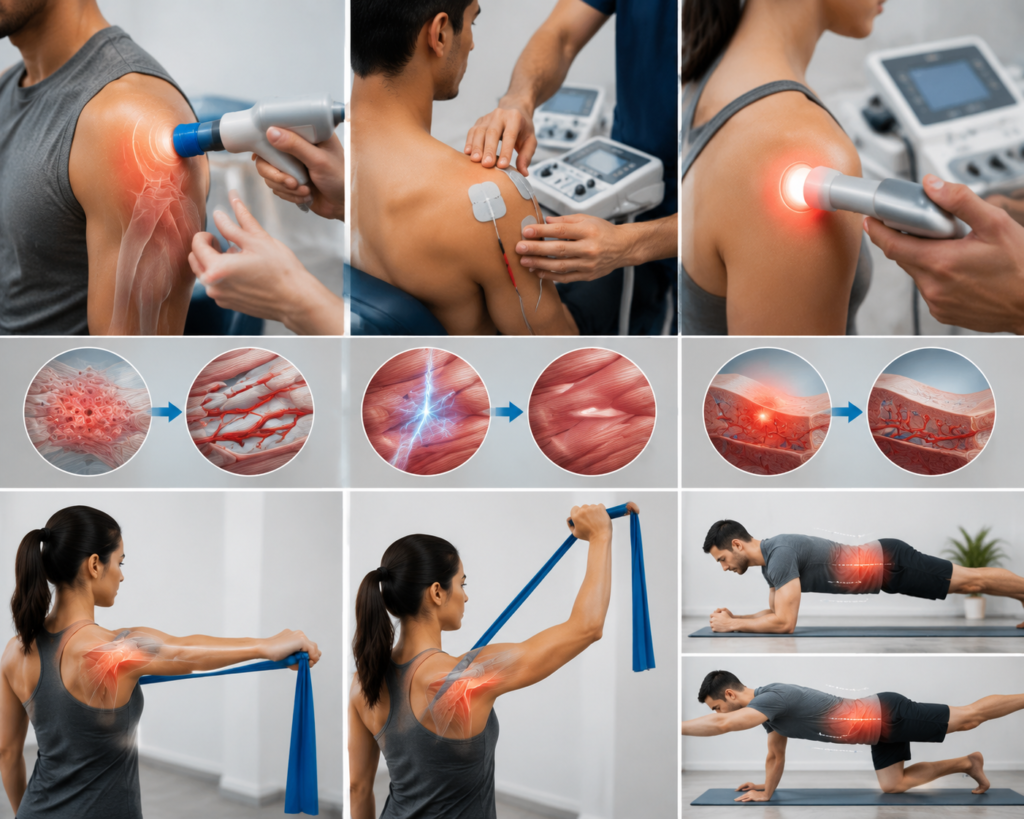
Benefits of Shockwave Therapy, Physiotherapy Machines, and Exercises
make image of this describtion add no text

Here’s how shockwave therapy, physiotherapy machines, and exercises work together to help cure chronic shoulder pain:

Shockwave Therapy

  • Non-invasive treatment that uses sound waves to reduce pain and promote healing in damaged tissues.
  • Stimulates blood flow, accelerating tissue repair.
  • Breaks down scar tissue and adhesions, improving mobility.
  • Reduces inflammation and muscle tightness.

Physiotherapy Machines

  • Machines like ultrasound therapy, electrotherapy, and laser therapy help in pain reduction and muscle relaxation.
  • Electrotherapy uses electrical impulses to relieve muscle spasms and enhance tissue healing.
  • Laser therapy promotes healing by increasing blood flow and reducing inflammation in the affected area.

Targeted Shoulder Exercises

  • Strengthening exercises for the rotator cuff muscles help stabilize the shoulder joint.
  • Stretching exercises improve range of motion and reduce stiffness.
  • Core-strengthening exercises reduce the burden on the shoulder joint by improving overall posture and muscle balance.

Procedure Explained Initial Assessment:

1. At Physio Hub,
our physiotherapists conduct a thorough assessment of your shoulder pain, identifying the root cause and designing a personalized treatment plan.

      2.Shockwave Therapy:

A gel is applied to the affected area, and a handheld device emits high-frequency sound waves to stimulate healing. This session typically lasts 15-20 minutes.

      3.Physiotherapy Machine Treatment:

Sessions may include electrotherapy or laser therapy, each lasting about 20-30 minutes, depending on the severity of the pain.

      4.Exercise Plan:

We provide a customized exercise routine designed to target specific muscles, improve shoulder mobility, and prevent future injuries. The plan is designed for at-home and in-clinic rehabilitation.

Recovery Time

The recovery time for chronic shoulder pain treatment varies depending on the severity of the condition and the therapy used:

  • Shockwave therapy: Most patients feel relief after 2-3 sessions, but full recovery may take 4-6 weeks.
  • Physiotherapy machines: Typically, patients notice significant improvements within 2-3 weeks of consistent treatment.
  • Exercise rehabilitation: Regular exercise can improve strength and mobility in 2-4 weeks, but full recovery may take 6-8 weeks.

Cost of Shoulder Pain Treatment in Malad

The cost of chronic shoulder pain treatment in Malad varies depending on the type of treatment chosen. Below is an estimate:

  • Shockwave Therapy: ₹1,500 – ₹3,000 per session.
  • Physiotherapy Sessions: ₹800 – ₹1,500 per session.
  • Complete Rehabilitation Package: ₹8,000 – ₹15,000 for a 5-10 session plan.

The total cost will depend on the specific therapies recommended by your physiotherapist.

Comparison: Physiotherapy vs Surgery

Treatment Benefits Downsides
Physiotherapy Non-invasive, promotes natural healing, less expensive Requires consistent effort, may take time
Surgery Provides fast relief for severe cases Expensive, involves recovery time, potential risks

In most cases, physiotherapy is the preferred option, as it is less invasive and offers long-term benefits without the risks of surgery.

Risks or Safety

  • Shockwave therapy is generally safe but may cause mild discomfort during treatment. It should not be used on individuals with certain conditions like blood clot disorders or pregnancy.
  • Physiotherapy and exercise treatments are also safe, but it’s important to follow the prescribed regimen to avoid strain or injury.
  • Chiropractor care may also help with shoulder pain, but it should be used in combination with other treatments to achieve optimal results.

FAQs

1. How does shockwave therapy help with shoulder pain?

Shockwave therapy uses high-frequency sound waves to stimulate healing, reduce inflammation, and break down scar tissue in the shoulder.

2. Is physiotherapy effective for shoulder pain?

Yes, physiotherapy can effectively treat shoulder pain by improving mobility, strengthening muscles, and addressing postural issues.

3. How long does it take to recover from shoulder pain?

Recovery time varies, but with proper treatment (shockwave therapy, physiotherapy, and exercises), significant improvements can be seen in 4-6 weeks.

4. Can I avoid surgery for chronic shoulder pain?

Yes, most shoulder pain can be managed with physiotherapy and shockwave therapy, which may eliminate the need for surgery.

Conclusion: Book Your Shoulder Pain Treatment Today!

Chronic shoulder pain can significantly impact your quality of life. But with the right treatment at Physio Hub, you can get back to pain-free movement. Whether through shockwave therapy, physiotherapy machines, or targeted exercises, we offer comprehensive solutions tailored to your needs.

If you’re searching for the best physiotherapy for shoulder pain, book a consultation with us today and start your journey to recovery!

Book Your Appointment Now at Physio Hub Malad!