
Have you ever found yourself stretching, only to feel like your muscles are still tight, stiff, or sore? It’s frustrating, right? You dedicate time to stretch, hoping for relief, but the comfort is always short-lived. While stretching is a great tool, it’s just one piece of the puzzle. In this blog, we’ll dive into why stretching alone isn’t enough to fix muscle tightness and how you can take a more holistic approach to truly relax those tight muscles for good.
What is Muscle Tightness?
Muscle tightness is something we all deal with at one point or another. Whether you’ve been at the gym, sitting at your desk for hours, or just waking up with a stiff neck, tight muscles can make everyday activities feel uncomfortable. It’s that feeling of tension or stiffness in your muscles that doesn’t seem to go away.
But here’s the thing: while stretching might give you some temporary relief, it doesn’t always address the root causes of muscle tightness. In fact, treating tight muscles requires more than just a good stretch—it’s about focusing on deeper treatments that target the muscles, nerves, and even your posture.
Who Needs This Treatment?
Anyone can experience muscle tightness, but certain groups are more likely to struggle with it:
- Athletes: After a rigorous workout or sports activity, muscles can become tight and sore.
- Office Workers: Sitting in one position for hours at a time can lead to tightness, especially in the back, neck, and shoulders.
- Seniors: As we age, our muscles lose some flexibility, and tightness becomes more common.
- People with Chronic Conditions: If you deal with conditions like fibromyalgia or sciatica, tight muscles are often part of the package.
Symptoms and Causes of Muscle Tightness
So, how do you know if you’re dealing with muscle tightness? It often comes with a few telltale signs:
- Pain: A dull, achy feeling in the affected muscles.
- Reduced Range of Motion: You may notice that your movements feel restricted or stiff.
- Stiffness: It might feel like your muscles are “locked” in place.
- Soreness After Exercise: Especially if you’ve worked hard, your muscles might feel tight the day after.
Common Causes of Muscle Tightness:
- Overuse: Engaging in physical activities that overexert your muscles can lead to tightness.
- Dehydration: Not drinking enough water can lead to muscle cramps and tightness.
- Poor Posture: Sitting or standing improperly for long periods puts strain on certain muscle groups.
- Lack of Movement: Sitting or standing still for too long can cause muscles to tighten.
- Injuries: A muscle strain or injury can cause tightness as part of the healing process.
Benefits of Treating Muscle Tightness Effectively
When you address muscle tightness the right way, it can lead to several benefits:
- Improved Flexibility: You’ll notice your muscles feeling more flexible and free.
- Reduced Pain: A comprehensive approach can help ease discomfort and prevent it from coming back.
- Better Posture: Working on muscle tightness can help correct posture problems that cause muscle strain.
- Improved Movement: Whether you’re an athlete or just someone who wants to feel good during the day, relieving tightness helps you move more freely.
Why Stretching Alone Isn’t Enough
Here’s the truth: while stretching is helpful, it doesn’t get to the core of the issue. It’s like putting a Band-Aid on a wound without cleaning it first. So, why isn’t stretching enough?
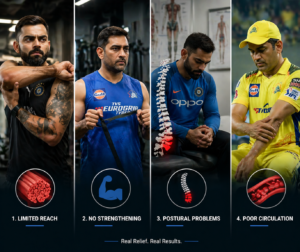
1. Limited Reach
Stretching mainly works on the outer layers of your muscles. Deep muscle fibers, fascia (the connective tissue surrounding muscles), and even the nervous system may still be tight. To get true relief, you need a treatment that targets the deeper structures.
2. No Strengthening
Stretching may loosen muscles, but it doesn’t build strength in them. Tight muscles are often weak muscles. Without strengthening, you might just stretch out the tension, only for it to return because the muscle wasn’t properly supported.
3. Postural Problems
Many cases of muscle tightness come from bad posture. Sitting hunched over at your desk all day, or slouching while watching TV, can make your muscles feel tight and sore. Stretching doesn’t correct your posture. For that, you need more targeted treatments, like spinal decompression in Malad.
4. Poor Circulation
Tight muscles often suffer from poor blood circulation, especially if they’re overworked or injured. Stretching doesn’t always get the blood flowing well enough. That’s where neuro physiotherapy in Malad can help by improving circulation and stimulating muscle recovery.
Procedure
So, how can you truly tackle muscle tightness? Here’s what a physiotherapist typically does to help:
Step 1: Assessment
- The first step is identifying the root causes. Your physiotherapist will assess the area of tightness, checking your posture, muscle strength, and any signs of injury.
Step 2: Treatment Plan
- Based on your condition, the physiotherapist will create a tailored treatment plan. This plan might include stretching, strengthening exercises, spinal decompression in Malad, or neuro physiotherapy in Malad to relax muscles and improve flexibility.
Step 3: Therapeutic Techniques
- Techniques such as myofascial release, deep tissue massage, or dry needling may be used to target deep muscle layers and connective tissue, releasing the tightness that stretching alone can’t address.
Step 4: Post-Treatment Recommendations
- After each session, your physiotherapist will recommend specific exercises or stretches for you to do at home to keep improving flexibility and prevent the tightness from returning.
Recovery Time
Recovery time varies based on how severe the tightness is. For example:
- Mild Tightness: You could see relief in 1–2 weeks with regular treatment.
- Moderate Tightness: 2–4 weeks of rehabilitation may be necessary, involving stretching, strengthening, and massage.
- Chronic Tightness: For ongoing tightness, it may take 1–2 months to fully resolve, with consistent treatment.
FAQs
- How often should I stretch to relieve muscle tightness?
- Stretching should be done 3–5 times per week, but it’s more effective when combined with other treatments.
- Can spinal decompression help with muscle tightness?
- Yes! Spinal decompression can help alleviate tightness caused by misalignment or nerve compression, providing long-term relief.
- Is sports physiotherapy necessary for muscle tightness?
- For athletes or anyone with active muscle tightness, sports physiotherapy can help restore balance and prevent further injuries.
- Can I treat muscle tightness at home?
- Yes, light stretching and home exercises can help, but for chronic or severe tightness, professional physiotherapy is recommended.
- How long does it take to see improvement in muscle tightness?
- You’ll generally see improvement within 1–4 weeks, depending on how severe the tightness is and how consistently you follow your treatment plan.
Conclusion
Stretching alone just doesn’t cut it when it comes to fixing muscle tightness. If you’re dealing with persistent tightness, it’s important to take a more holistic approach with treatments like spinal decompression in Malad, sports physiotherapy in Malad, and physiotherapist in Malad. These treatments can target the root causes of tightness, providing long-lasting relief and improving your overall flexibility and comfort.
Ready to tackle your muscle tightness? Contact PhysioHub Malad today for a personalized treatment plan that goes beyond stretching for real, lasting results!